

 en
en  English
 Español
 عربى
عربى
When architects discuss standard wall thickness, they typically refer to a 4 to 6 inch interior partition or a 6 to 8 inch insulated exterior wall. In thermoforming, the same phrase means something different but equally measurable: the final wall thickness that a mold can repeatedly deliver across a full production run. For packaging manufacturers, this number determines whether a cup, lid, or tray will pass leak tests, stack strength tests, and consumer handling standards. If you are purchasing a thermoforming mold, standard wall thickness is not an abstract design parameter. It is a concrete purchase criterion that affects material cost, tooling design, and downstream packaging performance.
What Does "Standard Wall Thickness" Mean in Different Industries?
The term "standard wall thickness" is not universal. Each industry defines it in relation to its own loads, materials, and performance requirements.
In building construction, standard thickness values are fairly consistent:
- Interior non-load-bearing walls: 4 to 6 inches, depending on framing and finish layers.
- Exterior framed walls: 6 to 8 inches, with the extra depth used for insulation and weatherproofing.
- Insulated concrete form (ICF) exterior walls: usually 6 inches of concrete plus insulation on both sides.
In thermoforming, the scale changes from inches to millimeters. Standard wall thickness here refers to the finished product wall, not the starting sheet gauge. The design intent is different: packaging must remain light, seal reliably, and hold its shape under mechanical stress. A typical thermoformed food package has a finished wall between 0.3 mm and 1.2 mm. This small range is the result of balancing material stiffness against cost and production speed.
Standard Wall Thickness in Thermoforming: The Basics
Conclusion up front: in thermoforming, standard wall thickness is the minimum finished wall that the mold produces after forming, trimming, and cooling. It is not the same as the sheet thickness at the start of the process.
When a hot plastic sheet is drawn into a mold cavity, the material stretches. This stretching reduces the wall thickness, especially in deep-drawn areas such as cup bottoms and lid sidewalls. A sheet with an initial thickness of 0.6 mm may produce a finished cup lid with a bottom wall of only 0.38 mm. The ratio between the initial sheet thickness and the finished wall is called the draw ratio, and it is one of the most important variables in mold design.
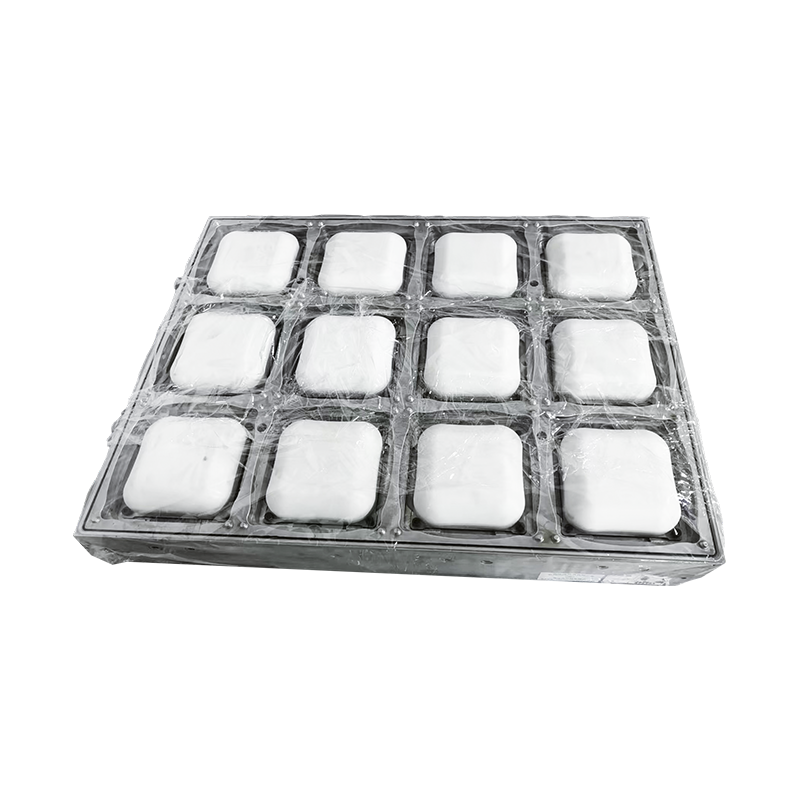
For a typical milk tea cup lid, production teams work with finished wall values in the 0.35 mm to 0.60 mm range. This is not a random number; it comes from the need for sufficient stiffness in the lid rim to maintain a seal, while keeping the lid light enough to reduce material cost and carbon footprint. A milk tea cup lid thermoforming mold is designed around these specific finished wall targets, and the mold cavity geometry and cooling layout both affect whether the target can be held consistently.
 Thermoforming Mold for Milk Tea Cup LidsThis mold produces milk tea cup lids with precise wall thickness in 0.35-0.60 mm, ensuring a tight seal and reduced material usage. It supports PP, PET, PS, and PLA sheets.View Product →
A mold supplier who understands standard wall thickness will be able to tell you upfront what finished thickness the tool is expected to produce, and what sheet gauge you should feed into the machine. The best way to validate this is to ask for wall thickness distribution data from sample runs, not just a general statement about design capability.
Key Factors That Determine Standard Wall Thickness
Several factors interact to define the standard wall thickness for a thermoformed product. Understanding these factors helps buyers avoid costly mistakes in material selection and mold design.
Material Type
Material strength has a direct effect on how thin the final wall can be. PET, for example, offers high tensile strength and can be formed into relatively thin walls without losing structural integrity. PVC is softer and requires slightly thicker walls to avoid deformation during filling and sealing. PP provides excellent impact resistance, which makes it a common choice for lunch boxes and cups, but it also needs a thicker wall to achieve the same stiffness as PET.
Product Application
The intended use of the final package determines the required wall thickness. Cold beverage cups need only enough wall stiffness to be held comfortably and to survive stacking during transport. Hot-fill packages, such as soup bowls, require deeper wall sections to resist thermal deformation. A disposable food container that will be loaded with heavy contents needs a thicker bottom and sidewall than a lightweight lid.
Thermoforming Process
Positive pressure forming uses compressed air to push the hot sheet into the mold, which generally allows better control of wall distribution. Vacuum forming uses suction to draw the sheet, which can result in more thinning in deep cavities. Positive-negative forming combines both, giving the designer more flexibility and enabling more uniform wall thickness across complex shapes.
Mold Design
Mold design is the decisive factor in achieving consistent standard wall thickness. The cavity depth, corner radii, draft angles, and position of the vacuum holes all influence how material flows during forming. Cooling channel layout also plays a role: if one area of the mold cools faster than the rest, the sheet will shrink unevenly, causing local wall deviations. Understanding how mold design choices determine product performance is a practical way to evaluate whether a supplier can meet your wall thickness specifications.
Typical Wall Thickness Ranges by Product Type
In practice, thermoforming companies rely on established wall thickness ranges for common food packaging formats. These ranges are not rigid standards, but they serve as useful starting points during project planning. The table below summarises typical finished wall values for different product categories.
| Product Type | Typical Material | Finished Wall Thickness | Key Application |
|---|---|---|---|
| Cup lids | PET / PVC | 0.30 – 0.80 mm | Cold beverage lids, tea cup lids |
| Drink cups | PP / PET | 0.40 – 1.00 mm | Milk tea cups, juice cups |
| Lunch boxes | PP | 0.50 – 1.20 mm | Takeaway food packaging |
| Round lidded boxes | PP / PET | 0.50 – 1.00 mm | Desserts, deli containers |
| Cooling plates | PC / ABS | 1.00 – 2.00 mm | Radiator and thermal management parts |
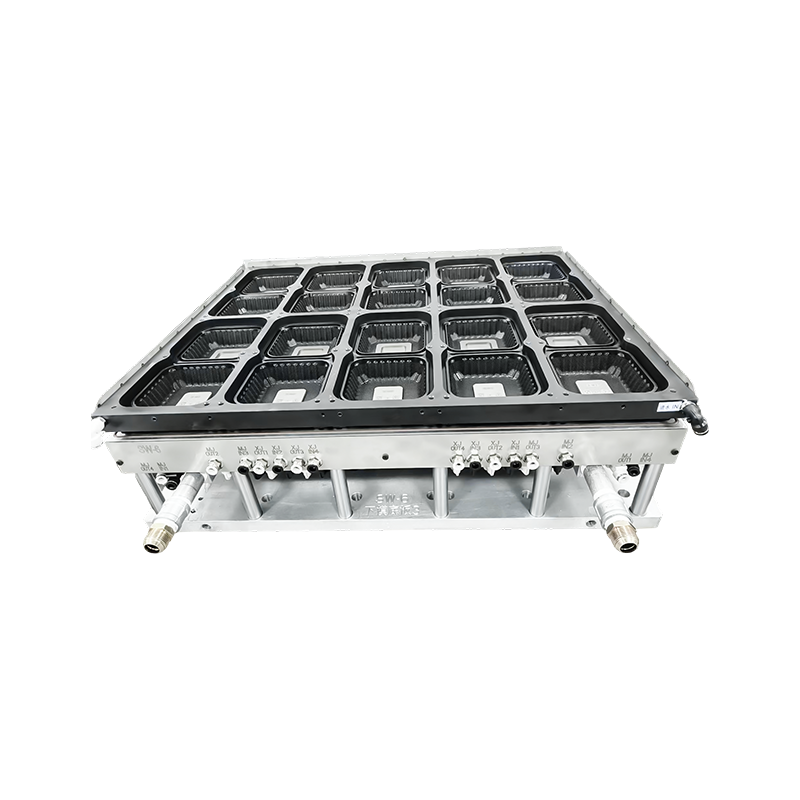
Takeaway lunch boxes require a stiffer finished wall than cup lids, because they must support the weight of the food contents and stack under load. This is why production teams often choose a rectangular clamshell packaging box thermoforming mold with a finished wall around 0.6 mm to 1.0 mm. The same general rule applies to round lidded boxes: thicker walls provide better stacking performance but also increase cycle time and material consumption.
 Clamshell Takeout Box Thermoforming MoldDesigned for rectangular lidded boxes with 0.6-1.0 mm walls, this mold offers strength for stacking and food weight. It uses CNC-machined aluminum for accuracy and durability.View Product →
When evaluating a mold supplier, ask for documented examples of wall thickness results for products similar to yours. A supplier with CNC machining capacity and in-house sample forming equipment can run trial shots and provide actual measurement data before you commit to the tooling contract.
How Mold Design Affects Wall Thickness Uniformity
Uniformity is often more important than the average wall thickness value. A cup that has a 0.5 mm bottom but only 0.35 mm near the rim may look acceptable at first glance, but the thin rim is more likely to crack under stress. Mold geometry and thermal management both contribute to uniform thickness distribution.
Mold Material and Thermal Conductivity
Aluminum molds have high thermal conductivity, which allows faster cooling and more consistent heat removal. Copper-beryllium alloys offer even better thermal transfer in critical areas, but they are more expensive. For long production runs, the mold material choice affects not only thickness uniformity but also overall cycle time.
Cooling Channel Layout
Cooling channels should be placed close to the forming surface and spaced evenly. An uneven cooling pattern creates hot spots where the plastic sheet continues to flow after the intended draw, producing local thinning. A well-designed cooling circuit keeps the sheet at a consistent viscosity during the forming process.
Vacuum and Air Vent Design
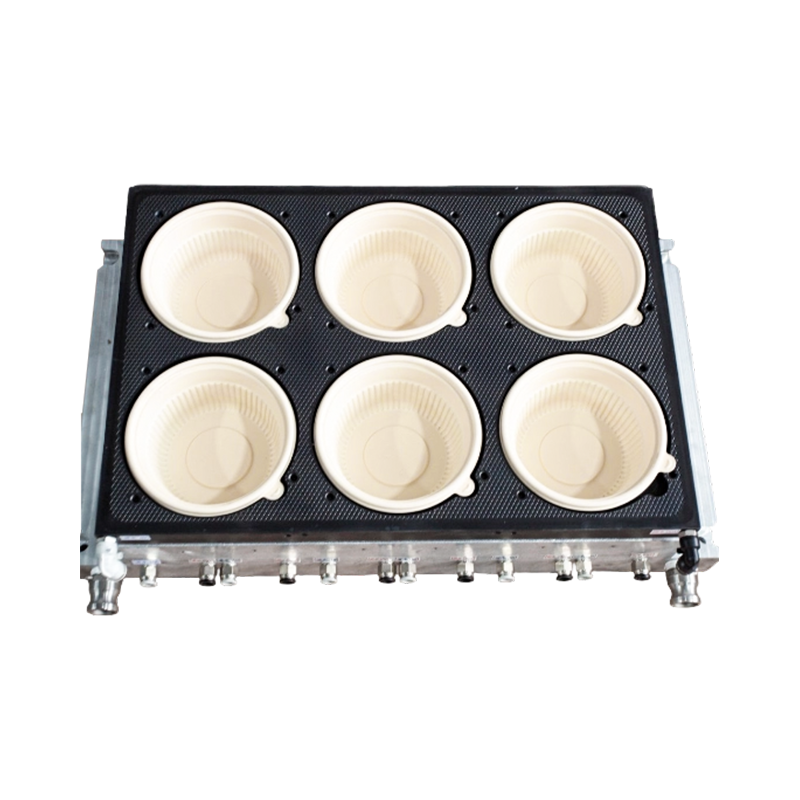
Vacuum holes must be positioned in the deepest sections of the cavity so that air can escape quickly and evenly. If air remains trapped in one side of the mold, the sheet will not make full contact with that side, resulting in an inconsistent wall. For drink cups, a milk tea cup thermoforming mold must carefully manage the ratio between initial sheet thickness and finished sidewall thickness. Deep cavities need a lower draw ratio or a thicker starting sheet to avoid excessive thinning at the bottom corners.
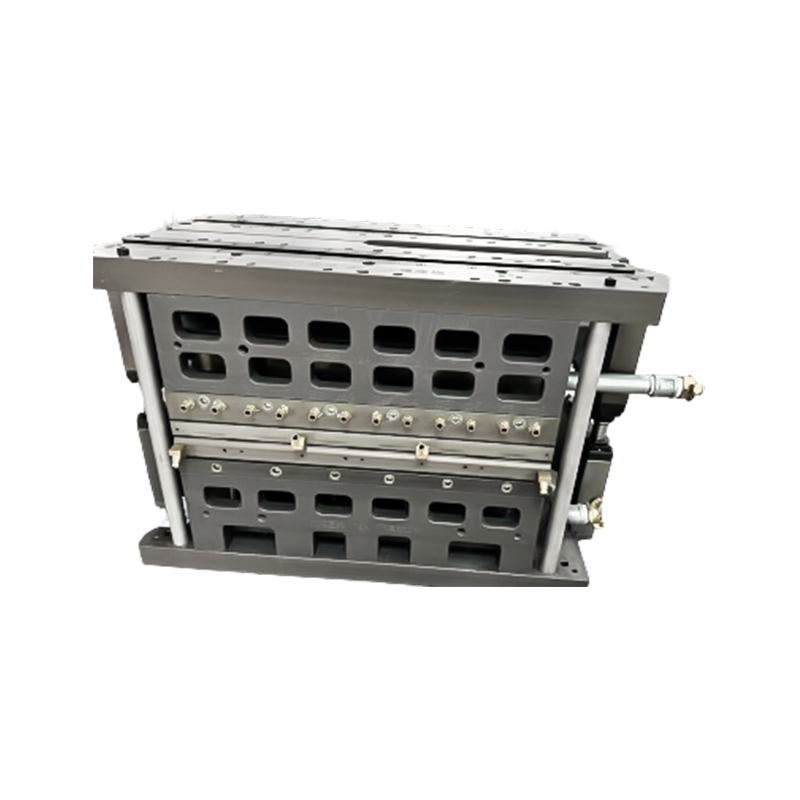 Milk Tea Cup Thermoforming MoldThis mold forms drink cups with uniform sidewalls and smooth rims. Its conformal cooling and precision machining maintain consistent wall distribution for efficient production.View Product →
Simulation and Tooling Trials
Modern mold shops use CAD and simulation software to predict material flow before steel or aluminum is cut. This reduces the number of trial-and-error cycles and shortens the time required to reach a stable process window. When you evaluate a supplier, ask how they use simulation data to set wall thickness targets.
Practical Buying Considerations for Thermoforming Mold Buyers
If you are buying custom thermoforming tooling, the standard wall thickness specification is the first thing that must be agreed on in writing. Here are practical steps to protect your procurement decision.
Define the Measurement Method
Wall thickness can be measured with a micrometer, a digital caliper, or an ultrasonic gauge. Each tool gives different results in different areas of the product. Agree in advance where the measurements will be taken, the number of sample points per product, and the number of consecutive production pieces that need to be tested.
Set a Realistic Tolerance
A tolerance of plus or minus 0.1 mm is common for thermoformed food packaging, but it may not be achievable for every product geometry. Deep-drawn parts demand a wider tolerance window. If your design requires a very tight tolerance, discuss it with the mold maker before finalizing the tooling contract.
Require Trial Run Data
An experienced mold supplier should be able to produce trial samples from a sample forming machine and provide you with wall thickness data. In the actual production environment, factors such as sheet temperature and machine speed can shift the optimal forming window, so trial results should be considered a starting point rather than a final guarantee.
Evaluate the Supplier's Process Control Capability
CNC machining capacity, in-house sample forming, and a documented quality process are strong indicators. A supplier that can perform both trial shots and production-form adjustments, like Suzhou Huashang Mould, is better positioned to help you fine-tune wall thickness after initial mold commissioning.
FAQ
Q1: What is the standard wall thickness for a thermoformed cup lid?
Finished cup lids are typically formed with a wall thickness between 0.3 mm and 0.8 mm. The exact value depends on the lid diameter, the material, and the sealing requirements of the filling line. Cold beverage lids are usually on the lower end, while hot-fill lids need a thicker wall.
Q2: How does material choice affect standard wall thickness?
Materials with higher tensile strength, such as PET, allow thinner walls because the final package will still hold its shape. Softer materials like PVC need additional thickness to resist deformation under load. PP offers good impact strength but generally requires a slightly thicker wall than PET for the same package stiffness.
Q3: Can a single mold produce different wall thicknesses?
Yes, forming machine parameters such as sheet temperature, forming pressure, and vacuum timing can shift the wall distribution within a limited range. However, the mold geometry is fixed, so the achievable thickness range is narrow. Significant changes to the finished wall thickness usually require a mold design change.
Q4: What tolerance is considered acceptable for thermoformed wall thickness?
Plus or minus 0.1 mm is a practical tolerance for most food packaging parts. For deeper drawn products with complex geometry, a wider tolerance of plus or minus 0.15 mm is more realistic. The most important question is whether the thickness variation stays consistent across each production batch.
Standard wall thickness is the invisible link between sheet material selection, mold design, and production quality. For packaging manufacturers, the right finished wall value means reliable sealing, safe stacking, and controlled material cost. For mold suppliers, it is a measurable performance promise that must hold true in every production run. When you evaluate a thermoforming mold partner, ask for wall thickness data from actual samples, not just for general capability statements. A supplier that can document thickness uniformity and explain the design decisions that support it is more likely to deliver a tool that meets your long-term production requirements.