Comprehensive Industry Guide to Paper Bowl Lid Thermoforming Mold
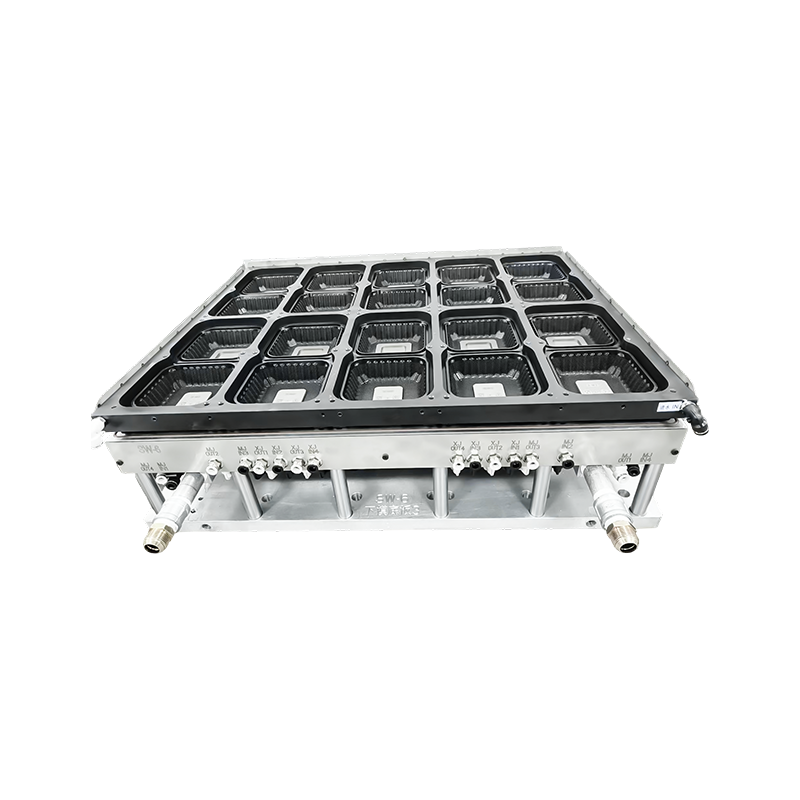
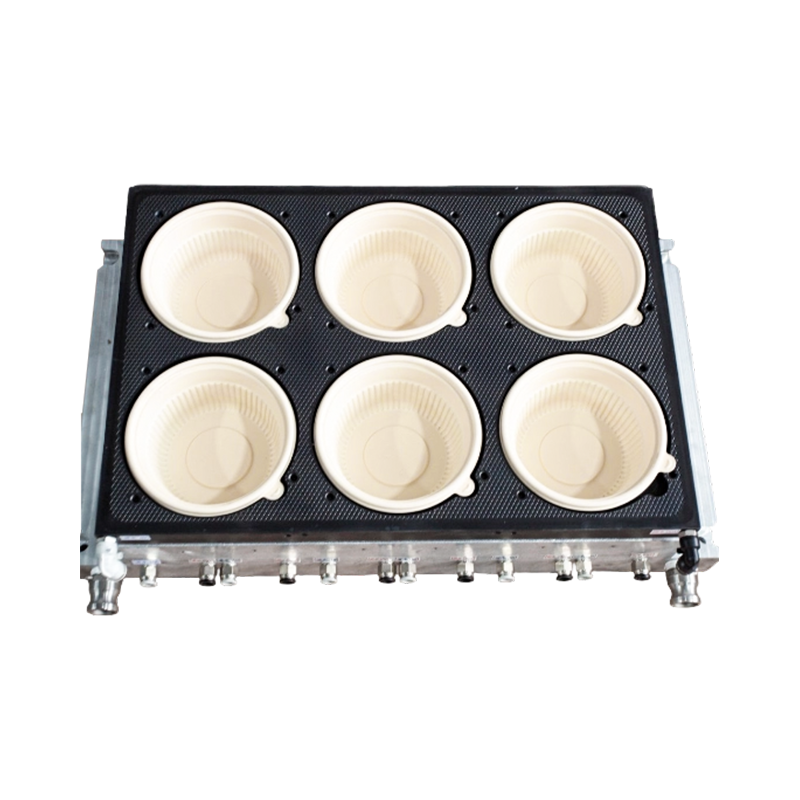
In the fast-paced food packaging sector, the demand for reliable and efficient sealing solutions is ever-growing. Central to this production is the tooling that defines quality and output. The Paper Bowl Lid Thermoforming Mold represents a pinnacle of precision engineering, designed to produce lids that offer a perfect seal, structural integrity, and visual appeal. This guide explores the technical specifications, manufacturing excellence, and industry applications of these molds, highlighting the capabilities of Suzhou Huashang Mould Co., Ltd.
Product Specifications and Parameters
To ensure optimal performance in high-volume production environments, understanding the technical specifications of a thermoforming mold is essential. The following table details the standard parameters for a high-quality Paper Bowl Lid Thermoforming Mold.
| Item |
Content Details |
| Product Name |
Paper Bowl Lid Thermoforming Mold |
| Manufacturer |
Suzhou Huashang Mould Co., Ltd. |
| Established |
2005 |
| Factory Area |
3,000 square meters |
| Main Material |
Imported Pre-hardened High-quality Mold Steel |
| Processing Craft |
Full Parametric Reverse Engineering Design, CNC Machining Center, EDM Technology |
| Surface Treatment |
Surface Nitriding for High-wear Areas |
Technical Features and Manufacturing Excellence
The production of paper bowl lids requires molds that can deliver precise dimensions and consistent quality over long production runs. Suzhou Huashang Mould Co., Ltd. integrates blister design, mold manufacturing, and process improvement to meet these demands.
| Technical Feature |
Detailed Description |
| Precise Design & Manufacturing |
Full parametric reverse engineering design based on 3D data ensures the mold cavity aligns perfectly with the product design. |
| Micron-level Carving |
Utilizes CNC machining centers and EDM technology for micron-level carving of key forming areas, ensuring exact dimensions and smooth edges. |
| Tight Fit |
Eliminates leakage caused by mismatched lids, ensuring sealing performance. |
| Premium Steel |
The main mold body uses imported pre-hardened high-quality mold steel with excellent hardness, wear resistance, and corrosion resistance. |
| Surface Treatment |
High-wear areas undergo surface nitriding to extend mold life and reduce accuracy degradation due to wear. |
| Heat Exchange System |
Integrated cooling water channel network optimized via Computational Fluid Dynamics (CFD) ensures rapid and uniform cooling. |
Core Manufacturing Advantages
- Reverse Engineering Precision: Utilizes full parametric design to ensure the lid fits the bowl perfectly, crucial for food safety and leak prevention.
- Advanced Material Selection: Use of imported pre-hardened steel ensures durability and resistance to the high pressures of thermoforming.
- Surface Durability: Nitriding treatment of high-wear areas significantly extends the service life of the mold.
- Cooling Efficiency: CFD-optimized cooling channels reduce cycle times, increasing production throughput.
Production Efficiency and Automation
Efficiency is key to profitability in the packaging industry. The design of the Paper Bowl Lid Thermoforming Mold focuses on minimizing cycle times while maximizing product consistency.
| Efficiency Feature |
Technical Advantage |
| Shortened Forming Cycle |
Optimized cooling system significantly reduces the thermoforming cycle time. |
| Increased Output |
Enhances single-machine output, boosting overall production efficiency. |
| High-Speed Automation |
Robust structure and precise positioning allow for seamless integration with leading high-speed thermoforming equipment. |
| Quick Mold Change |
Facilitates rapid mold changes, improving equipment utilization rates. |
| Stable Ejection |
A smooth and stable ejection system ensures formed paper bowl lids are ejected efficiently and safely from the mold. |
Multi-Industry Applications
While primarily associated with food service, the technology behind Paper Bowl Lid Thermoforming Molds is versatile. Suzhou Huashang Mould Co., Ltd. serves a wide array of industries with their domestic and foreign market positive and negative pressure blister molds.
| Application Field |
Specific Use |
| Fast Food Industry |
Fast food cup lids, ready-to-eat food packaging |
| Takeout Industry |
Takeout drink cup lids, takeout food container lids |
| Dessert Industry |
Dessert bowl lids, ice cream cup lids |
| Convenience Food |
Instant noodle bowl lids, instant soup lids |
| Pre-made Dishes |
Pre-prepared meal packaging lids |
| Tea Beverage Industry |
Milk tea cup lids, coffee cup lids |
| Electronics Industry |
Packaging for electronic components |
| Pharmaceutical Industry |
Medical supplies packaging |
Company Expertise and Service Philosophy
Suzhou Huashang Mould Co., Ltd., established in 2005, has grown from Richangjing Mould Accessories Business Department into a professional blister mold processing enterprise. With a factory covering 3,000 square meters, the company is equipped with 18 CNC machining equipment, two three-station blister forming machines, and a dedicated sample forming machine.
The company employs 8 professional designers and 40 staff members, providing services to numerous blister companies in Suzhou, Shanghai, Nanjing, Ningbo, Chengdu, Beijing, Hebei, and overseas. They specialize in a wide range of molds, including large heat sink blister cooling plate molds for Fortune 500 companies. Their business philosophy of high quality, on-time delivery, excellent service, and reasonable prices drives them to seize every opportunity for cooperation and strive to be the most trustworthy supplier of vacuum forming molds.
FAQ
What is the importance of reverse engineering in Paper Bowl Lid Thermoforming Mold manufacturing?
Reverse engineering is crucial for ensuring a perfect fit between the lid and the bowl. By using 3D data of the bowl to create the mold design, manufacturers can ensure that the thermoformed lid aligns precisely with the rim of the container. This process, performed by expert designers using advanced software, eliminates gaps that could lead to leaks or spills, ensuring the packaging is secure and reliable for the end consumer.
How does the choice of mold material affect the production of paper bowl lids?
The choice of material directly impacts the mold's durability, thermal conductivity, and the quality of the final product. High-quality imported pre-hardened mold steel is preferred because it offers excellent hardness and wear resistance, maintaining its shape under high pressure. Additionally, treatments like surface nitriding enhance the mold's resistance to abrasion, ensuring that high-volume production does not degrade the quality of the lids over time.
Can Paper Bowl Lid Thermoforming Molds be used for high-speed production lines?
Yes, modern Paper Bowl Lid Thermoforming Molds are specifically designed to withstand the rigors of high-speed production. Features such as robust structural design, precise positioning systems, and optimized cooling channels (often designed using CFD) allow these molds to operate seamlessly with high-speed thermoforming machines. This ensures that the increased cycle speed does not compromise the dimensional accuracy or surface finish of the lids.
What are the key maintenance requirements for these molds?
- Regular cleaning of mold cavities to prevent material buildup.
- Inspection of cooling channels to ensure they are free of blockages for optimal temperature control.
- Checking wear and tear on nitrided surfaces and re-treating if necessary.
- Lubrication of moving parts to ensure smooth ejection and operation.
- Periodic dimensional checks to ensure the mold maintains accuracy over its lifespan.
What industries benefit the most from high-quality thermoforming lids?
While the food industry (including fast food, takeout, and tea beverages) is the primary user, other industries also benefit significantly. The pharmaceutical industry requires precise, tamper-evident lids for medical supplies. The electronics industry uses thermoformed lids to protect sensitive components during shipping. Additionally, the cosmetics and personal care industries utilize these molds for creating attractive and functional packaging for creams and powders.



 en
en  English
 Español
 عربى
عربى