

 en
en  English
 Español
 عربى
عربى
Introduction
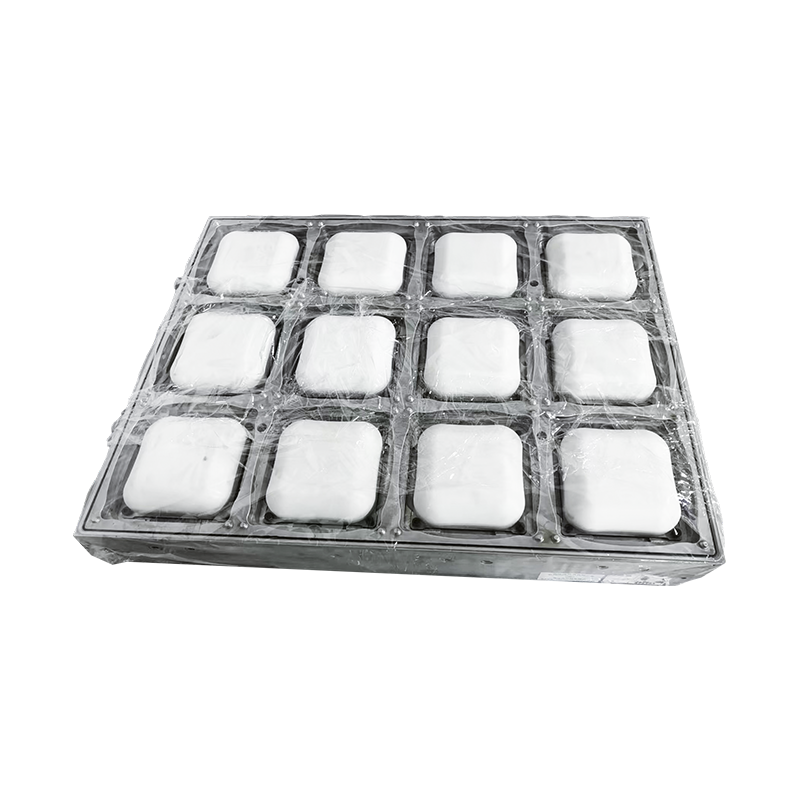
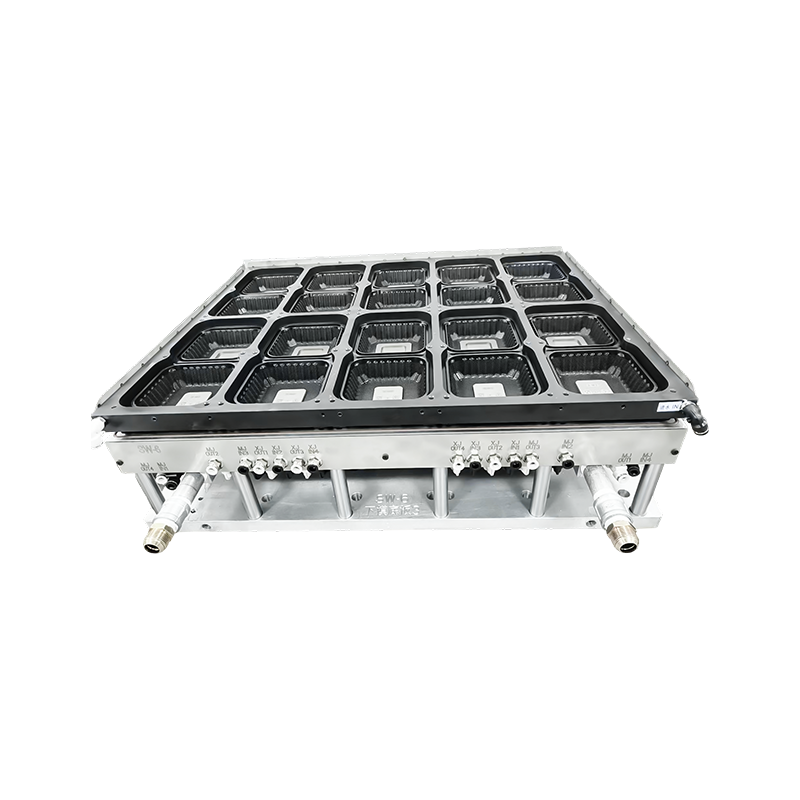
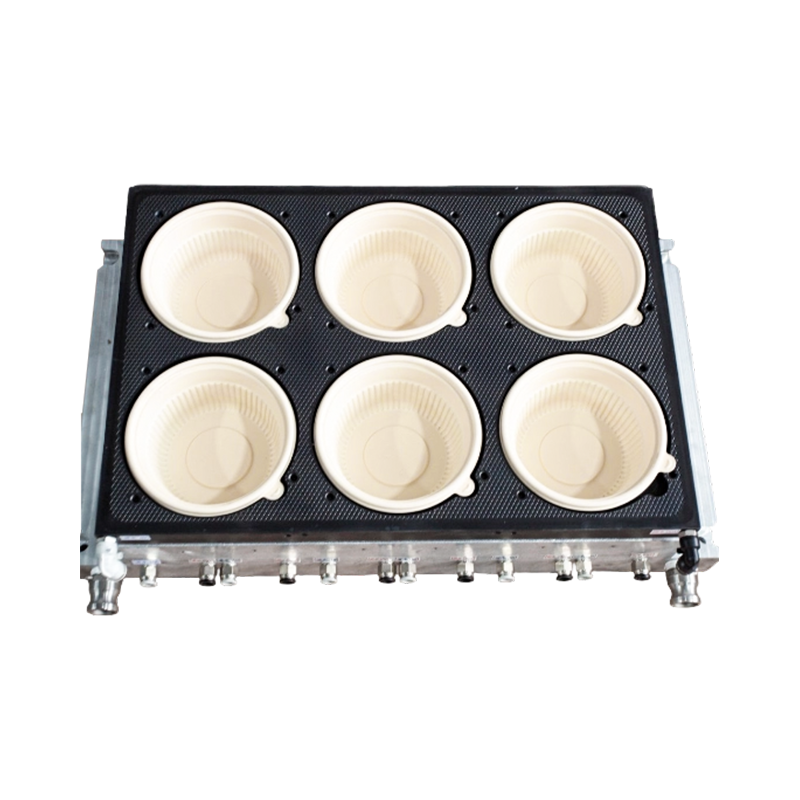
In the modern food industry, Food Packaging Vacuum Forming Molds play a crucial role. With increasing consumer demands for food safety, packaging aesthetics, and environmental sustainability, traditional packaging methods are no longer sufficient. Vacuum forming technology, with its efficiency, flexibility, and cost-effectiveness, has become a preferred solution in food packaging design and production.
Food Packaging Vacuum Forming Molds not only enable the production of containers with complex shapes but also ensure structural strength and durability, accommodating a variety of food materials. From disposable meal boxes and blister trays to premium food gift boxes, vacuum forming molds are widely used in the food industry.
Choosing the right vacuum forming mold directly impacts production costs, packaging efficiency, and brand image. Therefore, understanding the principles, materials, design, and customization of Food Packaging Vacuum Forming Molds is essential for manufacturers and designers.
What Are Food Packaging Vacuum Forming Molds?
Definition and Basic Principles
Food Packaging Vacuum Forming Molds are specialized molds for producing food packaging containers. They use thermoplastic materials that are heated and softened, then vacuum is applied to form the plastic tightly around the mold, creating the desired shape. The process typically includes heating, vacuum forming, cooling, and demolding.
Compared to traditional injection molding or stamping, vacuum forming offers the following advantages:
- High production efficiency: Complex trays or containers can be formed in a single cycle.
- Lower mold cost: Vacuum forming molds are much more cost-effective than injection molds for small to medium batches.
- High flexibility: Suitable for various plastic materials, molds can be quickly adjusted for different food packaging needs.
Application of the Keyword
In this article, we emphasize the importance of Food Packaging Vacuum Forming Molds, highlighting their core role in the food packaging industry. Examples include custom meal boxes, cake trays, and frozen food packaging, all produced with vacuum forming molds.
Comparison with Other Processes
| Process Type | Advantages | Disadvantages | Applications |
|---|---|---|---|
| Injection Molding | High precision, suitable for mass production | High mold cost | Large batch standardized products |
| Stamping | Low cost, simple operation | Shape limitations | Simple containers |
| Vacuum Forming | Flexible, low cost, suitable for complex shapes | Precision slightly lower than injection molding | Blister trays, food boxes |
Materials for Food Packaging Vacuum Forming Molds
Common Materials and Properties
Choosing the right material is key to mold performance and food safety. Common materials include:
- ABS: High strength, good toughness, heat-resistant. Suitable for disposable meal boxes and blister trays.
- PETG: High transparency, recyclable, chemically resistant. Suitable for premium food packaging and dessert boxes.
- PVC: Low cost, easy to process. Suitable for food trays and blister packaging.
Note: Food packaging materials must meet food safety standards, such as FDA or EU food contact regulations.
The Importance of Food-Grade Plastics
In food packaging, Food Grade Plastic Molds are critical. Using non-food-grade materials may result in harmful substances migrating into food. Food-grade molds typically have the following features:
- Free from harmful chemical additives
- Excellent high-temperature or low-temperature resistance
- Easy to clean and reusable
Using food-grade materials ensures both food safety and enhanced brand credibility.
Mold Design and Customization
Design Process Overview
Mold design is essential for producing high-quality food packaging. The standard design process includes:
- Requirement Analysis: Determine packaging size, shape, weight capacity, and functional needs.
- 3D Modeling: Use CAD software to create mold models.
- Material Selection: Choose the right plastic based on food type and manufacturing process.
- Prototype Testing: Produce samples to test structure, strength, and forming effect.
- Mass Production Preparation: Optimize mold structure for production efficiency and durability.
Through this process, Plastic Food Packaging Mold Design ensures precise, durable, and food-safe molds.
Advantages of Custom Molds
Custom Vacuum Forming Molds provide flexible solutions, including:
- Meeting special shape requirements, such as custom cake boxes or fruit trays
- Enhancing packaging aesthetics to improve brand recognition
- Reducing material waste and improving production efficiency
For food companies, custom molds are both a production tool and a way to enhance product competitiveness.
Thermoforming Packaging Solutions and Applications
Introduction to Thermoforming
Thermoforming involves heating thermoplastic sheets until pliable, then shaping them using molds. When combined with vacuum forming, it allows precise, durable food packaging production.
Applications in Food Packaging
- Meal boxes and blister trays: Common in fast food and frozen foods
- Cake and dessert packaging: Provides protection and aesthetic appeal
- Disposable food containers: Ice cream cups, salad boxes, etc.
Thermoforming packaging solutions not only improve packaging quality but also reduce damage during transportation.
Design Considerations
Key points for thermoformed food packaging include:
- Uniform thickness to ensure strength and appearance
- Edge treatment to prevent sharp edges
- Mold durability, using heat- and wear-resistant materials
Purchasing and Usage Recommendations
Key Factors When Purchasing Molds
- Materials and Food Safety Standards: Ensure molds meet food-contact safety requirements, such as Food Grade Plastic Molds.
- Design and Customization: Choose suppliers who provide Custom Vacuum Forming Molds to meet specific packaging needs.
- Mold Durability and Precision: High wear resistance and dimensional stability are essential.
- Supplier Support: Look for companies offering design optimization, prototype testing, and after-sales services.
Usage Tips
- Temperature Control: Proper heating is critical. For example, PETG: 160–190°C; PVC: 140–170°C; ABS: 180–220°C.
- Vacuum Pressure: Proper vacuum ensures plastic conforms to mold; too low causes incomplete forming, too high may break the sheet.
- Cleaning and Maintenance: Regularly clean mold surfaces and check for scratches or wear; apply anti-rust oil for metal molds.
- Cooling Time: Allow sufficient cooling before demolding to avoid deformation while maintaining production efficiency.
Production Optimization and Cost Control
- Multi-Cavity Mold Design: Form multiple units in one cycle to improve efficiency.
- Material Utilization Optimization: Reduce waste by optimizing mold layout; recyclable materials further reduce costs.
- Automation Integration: Combine vacuum forming molds with automated cutting and stacking to enhance speed and reduce labor costs.
Future Trends in Food Packaging Vacuum Forming Molds
Green and Sustainable Materials
Environmental regulations and consumer demand for green packaging are increasing. Future molds will use:
- Biodegradable plastics
- Bio-based materials
- Recyclable materials
High-Precision Customization
Brands increasingly require unique packaging. CAD and 3D printing allow:
- Rapid prototype creation
- Precise control of shape, thickness, and texture
- Enhanced product differentiation
Automation and Intelligent Production
Smart vacuum forming equipment improves efficiency and quality control:
- Automatic temperature and vacuum adjustment
- Automated demolding and stacking
- Data-driven production monitoring
Multi-Functional Packaging Design
Future packaging will not only hold food but also provide:
- Preservation and moisture-proof functions
- Ease of transport and stacking
- Attractive display
Optimized Plastic Food Packaging Mold Design allows companies to meet complex market demands.
Industry Cases and Applications
Case 1: Fast Food Blister Trays
- Background: Need for low-cost, durable, and easy-to-clean trays
- Solution: PETG food-grade plastic molds with optimized wall thickness and shape
- Result: Production efficiency increased by 30%, damage rate decreased by 20%, enhanced brand appeal
Case 2: Premium Cake Gift Boxes
- Background: Unique packaging to reflect brand value
- Solution: 3D-printed custom vacuum forming molds for precise tray dimensions
- Result: Attractive, protective packaging suitable for small-batch flexible production
Case 3: Frozen Food Disposable Containers
- Background: Containers need low-temperature resistance and sealing performance
- Solution: ABS molds with optimized vacuum forming for uniform thickness
- Result: Products delivered intact, reducing returns
Conclusion
Food Packaging Vacuum Forming Molds are indispensable in modern food manufacturing. Through scientific material selection, precise mold design, optimized production processes, and efficient customization, companies can achieve:
- Safe, food-compliant packaging
- Visually appealing products that enhance brand competitiveness
- Higher production efficiency and lower costs
- Environmentally sustainable packaging
Looking ahead, vacuum forming molds will continue evolving towards intelligent, automated, eco-friendly, and high-precision customization. Mastering this technology will be key for food companies to maintain market competitiveness and enhance brand value.