

 en
en  English
 Español
 عربى
عربى
When you are sourcing thermoforming molds for food packaging, the polymer you choose is not just a material specification. It determines wall thickness, forming behavior, tooling cost, and how the final container performs in the hands of a consumer. Polypropylene (PP) and polycarbonate (PC) are two of the most frequently compared thermoplastics. The practical answer: PP is lighter, cheaper, and easier to form; PC is stiffer, clearer, and more heat resistant. If your priority is a cost-effective food container produced at scale, choose PP. If you need glass-like transparency or a higher service temperature window, PC wins.
The Core Difference: Flexibility vs Rigidity
Polypropylene is a semi-crystalline thermoplastic with a density of about 0.90–0.92 g/cm³ and a melting point of roughly 160–170°C. Its semi-crystalline structure delivers excellent flexibility, chemical resistance, and toughness in thin wall sections. That is why PP is the default choice for disposable cups, lids, lunch boxes, and takeaway containers.
Polycarbonate is an amorphous polymer with a density of 1.20–1.22 g/cm³ and a glass transition temperature near 147°C. Its amorphous structure provides high rigidity, excellent impact strength, and optical clarity — PC transmits about 88–90% of visible light. These properties make PC ideal for transparent guards, high-clarity lids, and containers that encounter elevated temperatures.
The fundamental trade-off is flexibility and economy against stiffness and optical quality. Once you understand this trade-off, the rest of the decision becomes practical: formability, tooling design, compliance, and total cost per part.
Key Performance Comparison: PP vs PC in Thermoforming
For packaging mold buyers, mechanical and thermal properties are the first numbers to check. The table below summarizes the most important values that influence both the forming process and the finished container.
| Property | Polypropylene (PP) | Polycarbonate (PC) |
|---|---|---|
| Density (g/cm³) | 0.90–0.92 | 1.20–1.22 |
| Melting point (°C) | 160–170 | 220–230 |
| Heat deflection temp (°C) | 95–115 | 130–145 |
| Tensile strength (MPa) | 28–40 | 60–70 |
| Light transmission | Translucent to opaque | 88–90% |
| Water absorption (24 h) | 0.01–0.03% | 0.15–0.35% |
| Mold shrinkage | 1.0–2.5% | 0.5–0.7% |
The practical implication is immediately visible. PP absorbs almost no water, so it can go from resin to sheet to forming with very little pre-drying. PC absorbs significantly more moisture, meaning drying ovens and moisture-controlled hoppers become part of the standard process. That extra step adds time and equipment cost.
0.90–0.92 g/cm³
Lowest density for part weight savings
88–90%
Light transmission for high-clarity parts
25–40%
Lower cost per kilogram vs PC
How Material Choice Drives Mold Design
Material selection changes more than the finished part. It changes how a thermoforming mold is designed, machined, and finished. PP has a mold shrinkage rate of 1.0–2.5%, while PC shrinks only 0.5–0.7%. That difference directly affects cavity dimensions, draft angle, and cooling channel layout. A mold built for PP will not produce the same dimensional accuracy in PC without adjustments.
For high-clarity lids, cooling must be controlled with purpose-built channels to prevent haze and stress marks in PC parts. A mold like our milk tea cup lid thermoforming mold is designed with polished cavities and balanced thermal zones so that both PP and PC can hold a tight tolerance. The rigidity of PC also allows thinner walls at the same stiffness, which means the mold's plug assist and vacuum vents must be tuned to the resin's specific sag behavior.
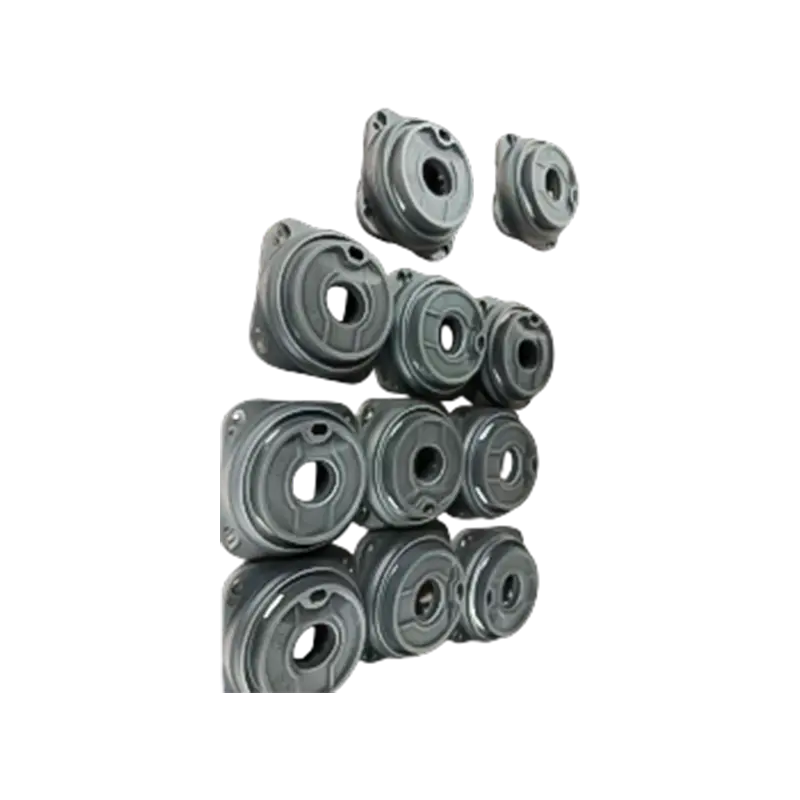 Milk Tea Cup Lid Thermoforming Mold for PP and PCThis mold produces clear lids for milk tea cups, with polished cavities and balanced cooling to handle PP and PC forming windows, ensuring tight tolerance and preventing haze or stress marks.View Product →
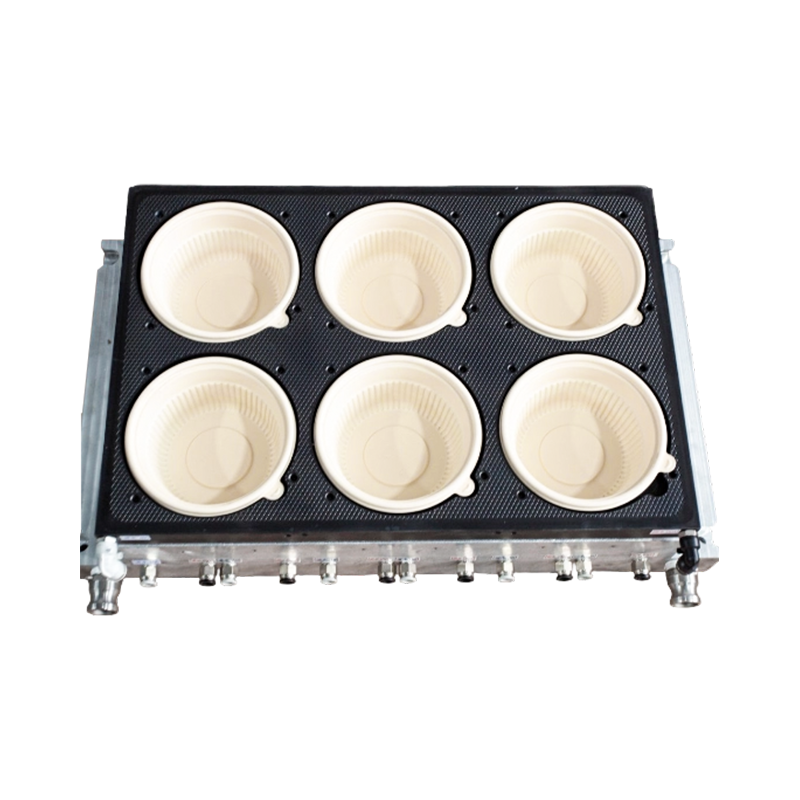
When your product is a beverage container, the milk tea cup thermoforming mold serves as a good example of a tool whose cavity surface finish and cooling layout must accommodate the different forming windows of PP and PC. A slight change in material can shift the optimum forming temperature by 20–30°C, which affects cycle time and tool wear.
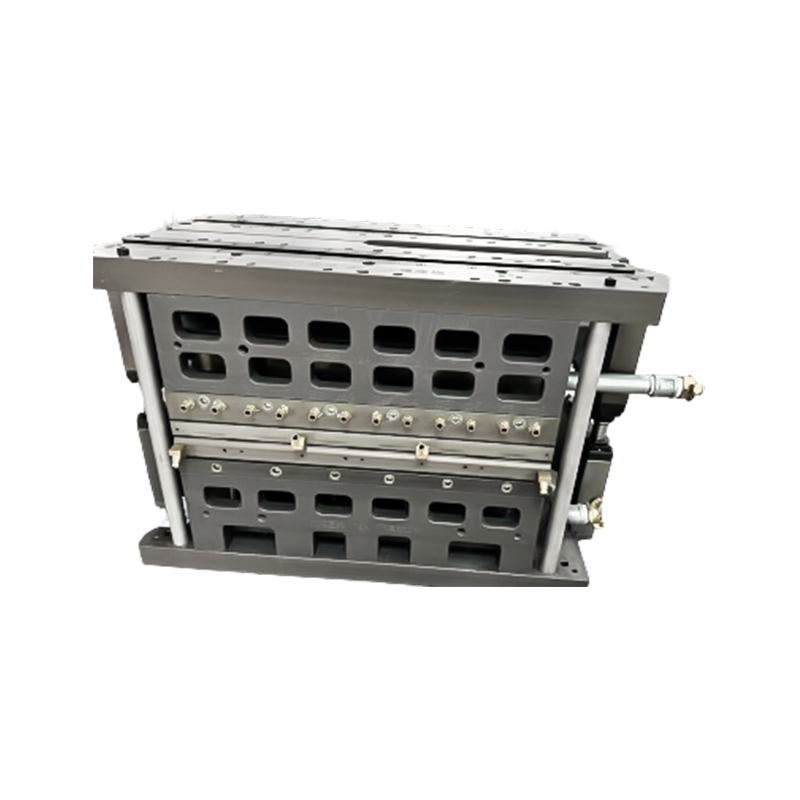 Milk Tea Cup Thermoforming Mold with Efficient CoolingDesigned for PET, PP, and PS sheets, this aluminum mold features conformal cooling channels and hardened steel inserts to shorten cycle times and maintain dimensional accuracy over long runs.View Product →
Readers who want a deeper explanation of how material properties interact with tooling should review this comprehensive guide to food packaging vacuum forming molds.
Food Contact Compliance: What Packaging Buyers Must Verify
Both PP and PC are FDA-compliant for direct food contact in the United States, but they are regulated under different sections. PP is listed under 21 CFR 177.1520, while PC is covered under 21 CFR 177.1580. Compliance is not automatic — the full formulation must meet the specific requirements of those paragraphs, including additives, catalysts, and processing aids.
There is another layer of scrutiny for polycarbonate. Because PC is manufactured using bisphenol A (BPA), many food service brands have moved away from PC in beverage cups, storage containers, and lunch boxes. PP contains no BPA in its backbone, which removes that regulatory concern by design.
For food packaging manufactured in China and exported to the EU or North America, the material certificate should be backed by migration testing. A common mistake is to accept a general FDA statement without verifying that the exact polymer grade is listed in the relevant food-contact regulation. If a buyer is uncertain about the regulatory path, it is worth asking the mold supplier to document the material grades used in previous tools.
Cost, Clarity, and Long-Term Value
On a per-kilogram basis, PP typically costs 25–40% less than PC. But total cost of ownership is a different question. PP forms at a lower temperature range (160–180°C versus 180–210°C for PC), which reduces energy consumption per cycle. Its lower density also allows more parts per kilogram of resin, improving material yield.
PC carries a higher resin price and requires tighter process control — pre-drying, higher forming temperature, and sometimes a slower cycle to avoid internal stresses. However, PC's stiffness and clarity allow it to be used in thinner sections than PP, which can offset part weight in certain designs. For premium labels, transparent lids, and tamper-evident covers, PC remains the material that communicates quality and produces repeatable optical clarity.
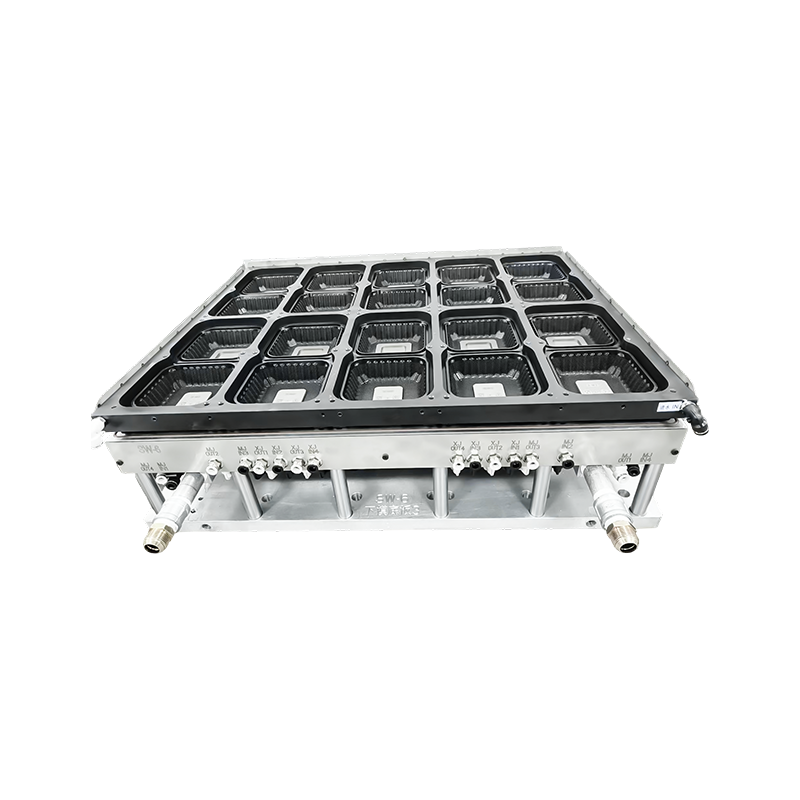
Mold tooling is also part of the cost equation. PP's higher shrinkage means the mold cavity needs to be machined for a different target dimension. PC's lower shrinkage and higher forming temperatures can accelerate wear on surface finishes. In practice, our rectangular clamshell packaging box thermoforming mold is built with hardened cavity inserts and optimized venting specifically to handle the long-run demands of PP food containers.
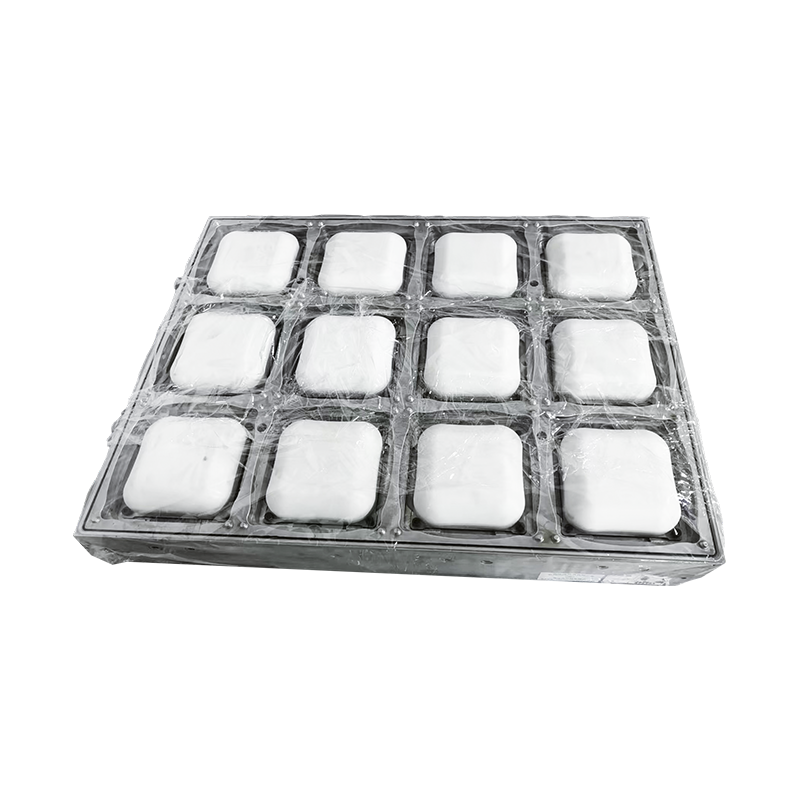 Rectangular Clamshell Box Thermoforming Mold for PPBuilt with hardened cavity inserts and optimized venting, this mold serves long-run production of PP food containers, addressing shrinkage and surface wear while ensuring a tight seal and uniform walls.View Product →
Decision Framework for Packaging Mold Buyers
Choose PP when lightweight, low-cost, and FDA-compliant food packaging is the priority. Choose PC when optical clarity, impact strength, or a higher service temperature matters more than the resin price.
Below is a practical checklist to use when discussing a new project with your mold supplier.
- Select PP for disposable beverage cups, takeaway bowls, and clamshell containers where weight and cost drive the product.
- Select PC for high-clarity lids, transparent guards, and containers that will face hot-fill conditions above 80–90°C.
- If your packaging is exposed to aggressive food acids or sanitizers, PP offers broader chemical resistance.
- If your branding depends on premium clarity, PC is the safer choice despite the higher cost.
Customers frequently ask whether a single mold can handle both materials. The answer is yes, but with caveats. The tool must be designed with adjustable forming pressure, a wide temperature window, and cavity dimensions that accept the different shrink rates. The design of the thermoforming vs injection molding key differences explains why the same part can be produced with different economics depending on material and tooling strategy.
Frequently Asked Questions
Q1: Can PP be used for microwave-safe food packaging?
Yes, polypropylene is microwave-safe in most applications. Its melting point of 160–170°C is above the temperature reached by liquids in standard microwave reheating. Always verify the specific grade and the food-contact compliance statement for the final product.
Q2: Does PC absorb water during thermoforming?
Yes, PC absorbs up to 0.35% moisture in 24 hours, which is significantly more than PP. If the material is not pre-dried properly, the moisture can cause splaying, bubbles, and surface defects in the formed part.
Q3: Which material is more tear-resistant in thin-wall packaging?
Polypropylene has better tear resistance in thin sections because of its semi-crystalline structure and flexibility. Polycarbonate is stronger under tension but can be more prone to notch sensitivity.
Q4: What is the typical cost difference per kilogram?
Polycarbonate is generally 25–40% more expensive than polypropylene on a resin basis. In finished parts, the gap can narrow because PC allows thinner walls and often requires fewer grams per container.
Q5: How does material choice affect mold tooling lifespan?
PP is gentle on tooling because its forming temperature is lower and it does not contain abrasive fillers in most food grades. PC requires harder tool surfaces and precise cooling, which can increase tooling cost but does not necessarily shorten tool life if the tool is engineered correctly.