

 en
en  English
 Español
 عربى
عربى
When you order polycarbonate plastic sheets, you usually expect clarity, impact resistance, and dimensional stability. The final part, however, is only as good as the tooling that shapes it. A sheet with excellent properties can still develop whitening, melt lines, or uneven wall thickness if the thermoforming mold is not designed for the material. In our experience, the most overlooked factor in a PC sheet project is mold design—not the sheet specification.
This article focuses on what makes polycarbonate sheets different, which properties matter when you are forming them, and how a precision thermoforming mold can make the difference between a high-yield run and a scrap pile.
What Are Polycarbonate Plastic Sheets?
Polycarbonate (PC) is an amorphous thermoplastic known for its combination of toughness, transparency, and heat resistance. Sheets are produced by extrusion or calendering, then sold in different thicknesses and finishes. Unlike acrylic, which is also transparent, polycarbonate can absorb significant impact without cracking. A polycarbonate sheet is about 250 times stronger than glass and roughly 30 times stronger than acrylic.
This polymer is naturally clear, but it can be tinted, UV-stabilized, or coated for scratch resistance. It also meets many food-contact regulations when produced with approved additives, although this must be verified with every supplier.
Key Properties of Polycarbonate Sheets for Thermoforming
Before you quote a new production run, check the specification sheet against these five properties. They influence everything from oven temperature to the final trim line.
| Property | Typical Value | Why It Matters in Forming |
|---|---|---|
| Impact Strength | 600 kJ/m2 (Charpy) | High toughness means the sheet resists denting during handling, but also requires generous draft angles to avoid sticking in the mold. |
| Photoelastic/Transparency | 90% light transmission | Any mold surface defect will be visible, so tooling must be machined to a high polish. |
| Glass Transition Temperature | 147 degrees Celsius | Good hot strength, but over-softening can cause sagging on multi-station vacuum formers. |
| Moisture Absorption | 0.15% (equilibrium) | PC is hygroscopic; if not dried, bubbles appear in the sheet surface during heating. |
| Shrinkage upon Cooling | 0.5% to 0.7% | This tolerance range must be compensated in the mold design, not by adjusting the machine after a bad day. |
These figures are not a substitute for a real material datasheet. Polycarbonate grades vary widely, and the actual behavior during vacuum forming depends on the sheet thickness, oven profile, and forming speed.
Why Mold Design Is Critical for Polycarbonate Forming
Polycarbonate has a higher glass transition temperature than PVC or PET, which means it requires more energy to heat. It also cools more slowly, so forming a PC sheet on a mold designed for PET can lead to excessive cycle time and warped parts. The best approach is to design the mold around the exact material and process before any steel or aluminum is cut.
Our engineering team considers three factors when building thermoforming mold design as a packaging performance driver:
- Draft angle: PC releases best with a minimum draft of 1.5 degrees per side, and 3 degrees is safer for large, deep parts.
- Cooling layout: Even cooling channels prevent heat marks and reduce warpage. For PC, the cooling lines often need to be spaced differently than for PP or PS.
- Trim geometry: A sharp trim edge can create micro-cracks. The tooling should include a slight radius in the trim area for PC parts.
When these details are ignored, visible defects such as flow lines, stress whiting, or orange peel appear on the sheet. In our experience, the cost of a mid-project mold correction is much higher than the cost of proper upfront design.
How Our Thermoforming Mold Services Support Your Polycarbonate Projects
At Suzhou Huashang Mould Co., Ltd., we design and build vacuum-forming molds for a wide range of materials, including polycarbonate. Our facility in Wujiang, Suzhou, houses 18 CNC machines, a three-station forming machine, and a dedicated prototyping former. This allows us to develop a mold, produce trial parts, and optimize the process before you commit to full production.
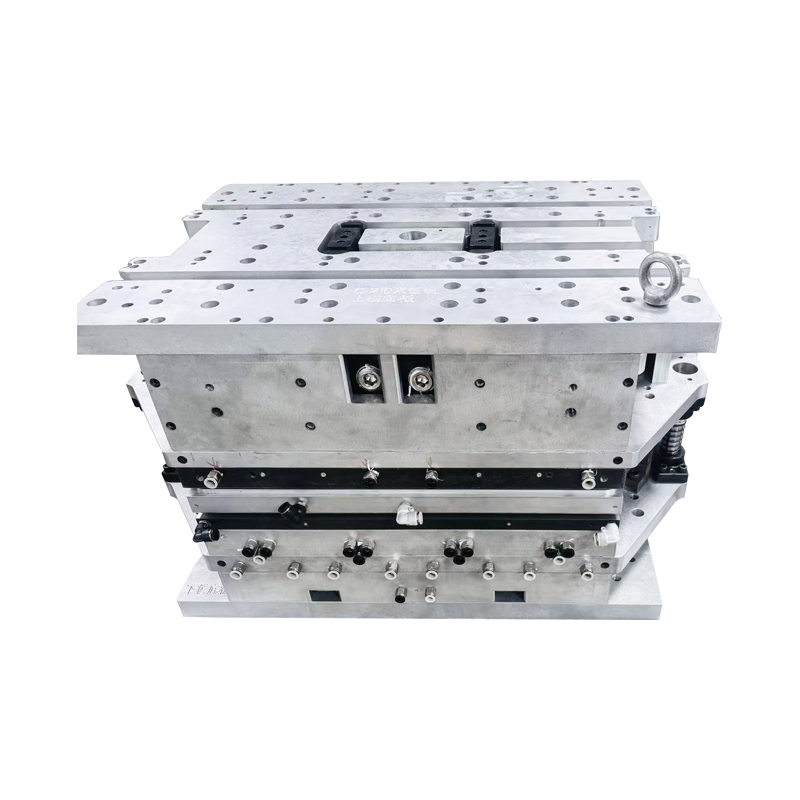
For beverage packaging that must withstand impact and high temperatures, a milk tea cup lid thermoforming mold gives you precise wall distribution and a clean rim, which is especially important when the lid is made from clear PC sheet.
 Milk Tea Cup Lid Thermoforming MoldProduct Description The milk tea cup lid thermoforming mold for milk tea lids is specially designed for producing various types of milk tea cup lids. It is suitable fo...View Product →
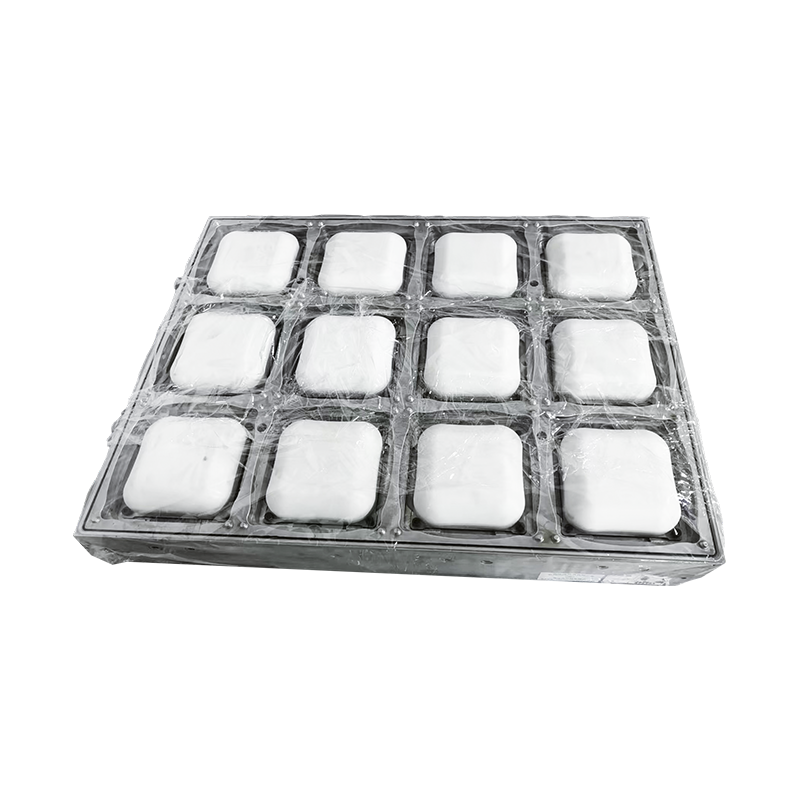
If your product is a cup or a larger container, the same discipline applies. Our milk tea cup thermoforming mold is machined with multi-cavity layouts and cooling lines that match the shrinkage of polycarbonate. This keeps cycle time consistent and helps you avoid the hidden scrap that comes from uneven wall thickness.
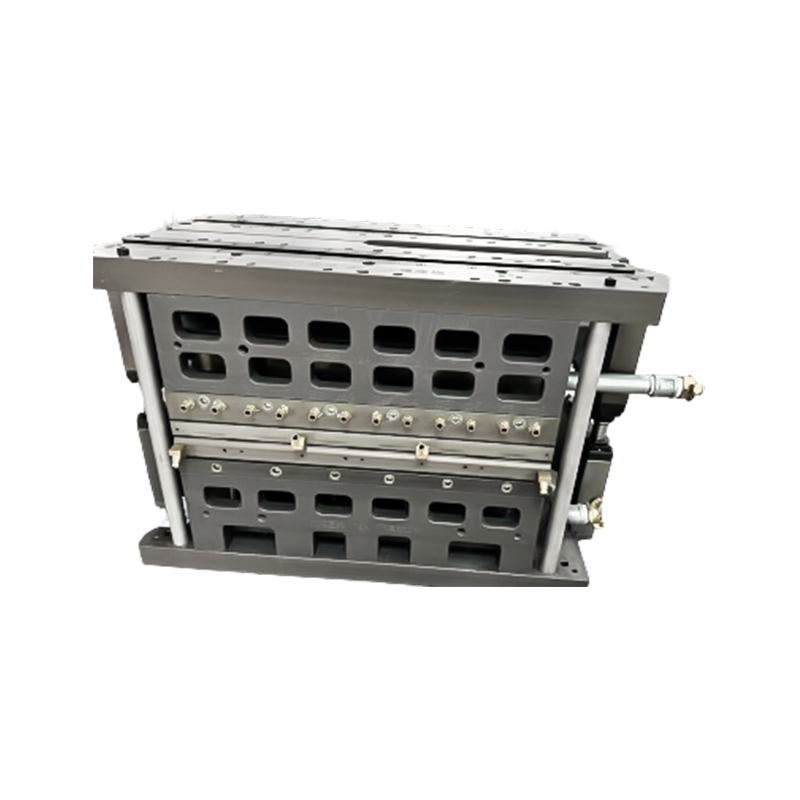 Milk Tea Cup Thermoforming MoldProduct Description The milk tea cup thermoforming mold is crafted from high-quality aluminum alloy and undergoes precision CNC machining and surface polishing, ensuri...View Product →
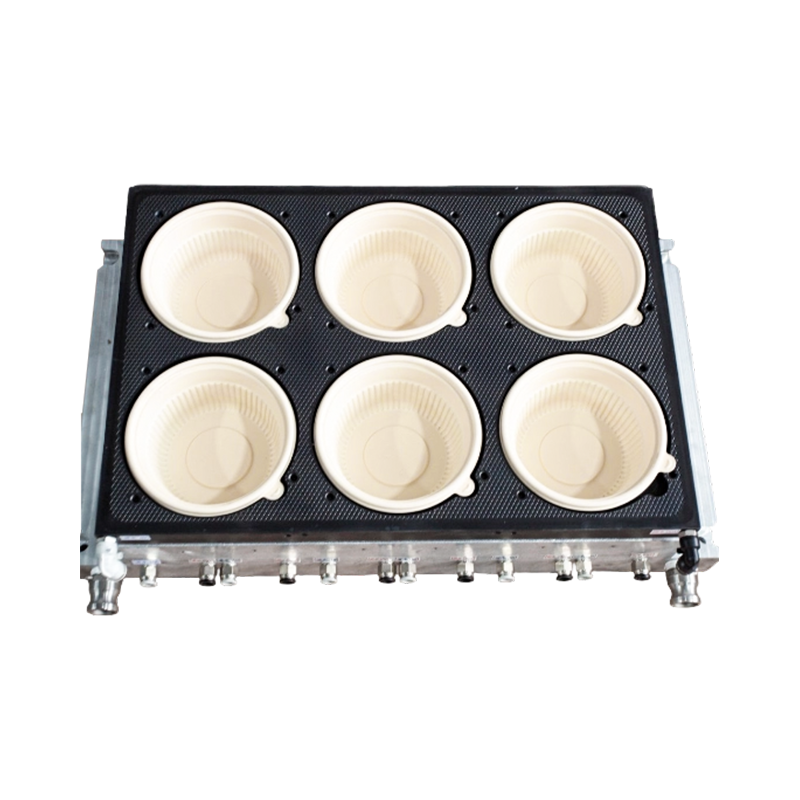
For lidded food containers, the fit between the base and lid is a common challenge. A round lidded packaging box thermoforming mold is designed to hold tolerances across the full lid circumference, so your PC round box closes securely without strain.
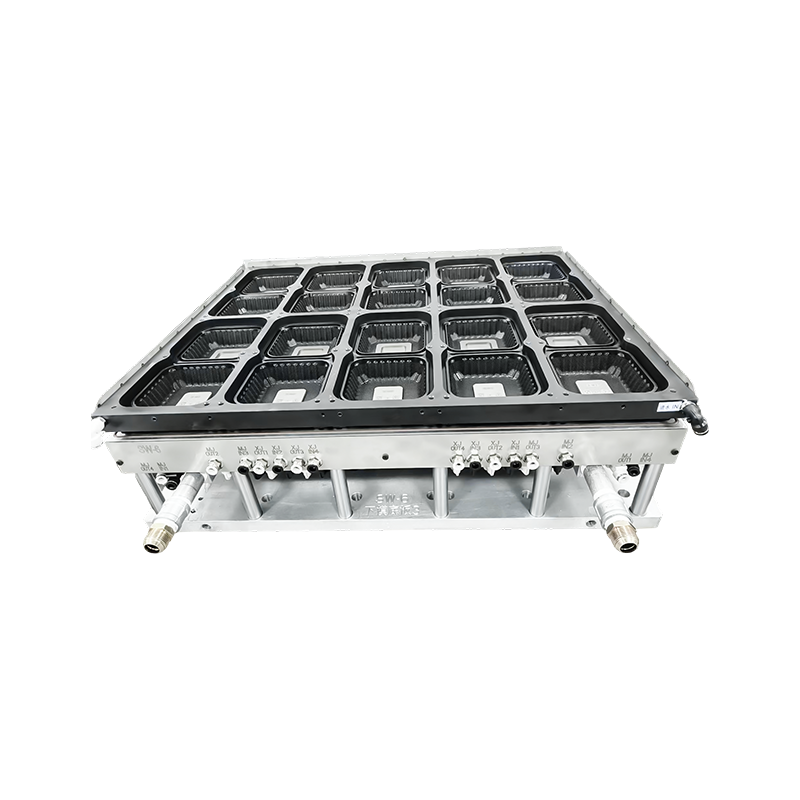 Round Lidded Packaging Box Thermoforming MoldProduct Description This round lidded packaging box thermoforming mold is specifically designed for producing round, one-piece food packaging boxes with lids. It is wi...View Product →
Each of these tooling solutions is available with a prototype stage, and we can adjust draft angles, gate options, and trimming methods based on your existing thermoforming line.
Common Applications of Polycarbonate Sheets
Polycarbonate sheets are used where glass would break, acrylic would crack, and metal would be too heavy. Typical applications include machine guards, eye protection lenses, greenhouse glazing, electronic display covers, and food-grade trays. In the thermoforming industry, PC is often chosen for:
- Durable food service containers
- Protective masks and shields
- Instrument covers and dashboard panels
- Light diffusers and large architectural glazing
In each case, the sheet must be formed to a specific shape while maintaining its optical and mechanical properties. That is exactly why the mold is not just a form—it is part of the material specification.
Maintenance and Cleaning Best Practices for Formed PC Parts
Polycarbonate is easy to clean, but it can be sensitive to certain chemicals. Avoid ammonia-based cleaners, alkaline detergents, and strong solvents like acetone, which cause stress cracking. Use warm water with a mild soap or a cleaner specifically formulated for polycarbonate.
For thermoforming molds that run PC regularly, preventive maintenance should include:
- Checking cooling lines for scale buildup, which directly affects cycle time.
- Polishing surfaces where PC may have left residue.
- Verifying trim inserts for wear, since PC is more abrasive than softer thermoplastics.
If your mold is aluminum, PC shrinkage can slightly deform thin tooling sections over time; inspect critical dimensions every batch or every 50,000 cycles, depending on the part.
Frequently Asked Questions
Q1: Are polycarbonate sheets suitable for food contact?
Yes, certain polycarbonate grades are approved for food contact under FDA regulations. However, the final package must comply with the specific additive limits and migration tests. Compare the resin certificate with the requirement for your market.
Q2: Can polycarbonate sheets be vacuum formed without a special mold?
It is possible, but not recommended. A mold designed for polycarbonate should have a lower cavity pressure, better cooling, and higher draft angles to prevent sticking. Reusing a PET mold will usually result in lower yields and longer cycle times.
Q3: What thickness of polycarbonate is best for thermoforming?
Typical thermoforming grades range from 0.5 mm to 6 mm. Thinner sheets heat quickly but are more likely to sag; thicker sheets need longer heating and more powerful vacuum. The correct choice depends on the finished product geometry and your machine capability.