

 en
en  English
 Español
 عربى
عربى
Introduction to Thermoforming and Injection Molding
In the world of plastic manufacturing, thermoforming and injection molding are two of the most commonly used processes. These methods are employed to create various plastic products, ranging from simple packaging to more complex components. In this article, we will explore the fundamental differences between thermoforming and injection molding, including their respective advantages, applications, and the specific scenarios where each process excels.
What is Thermoforming?
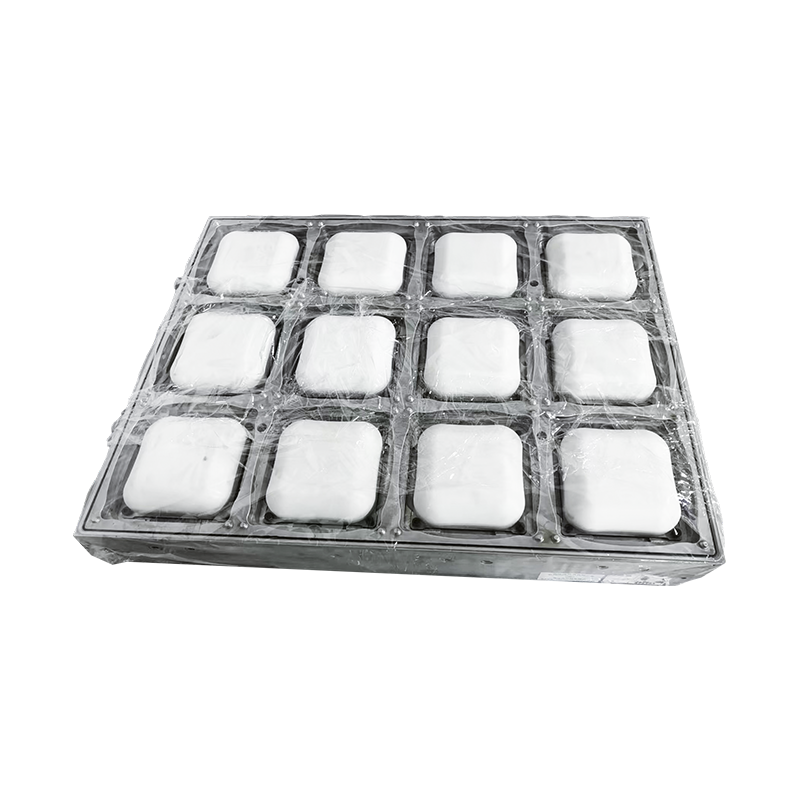
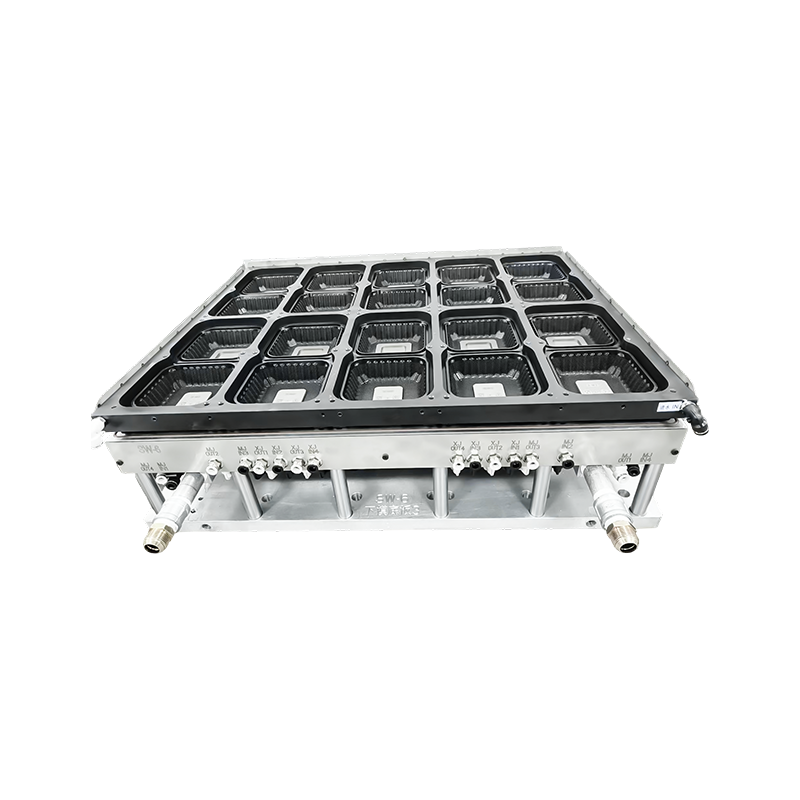
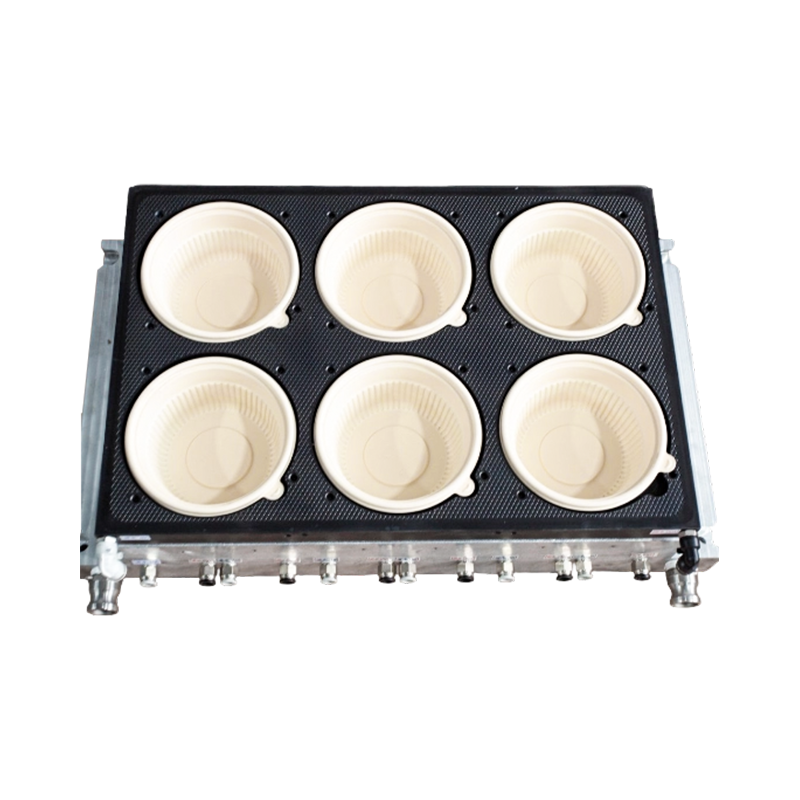
Thermoforming is a process where a plastic sheet is heated until it becomes pliable and then formed over a mold to create a specific shape. The mold can be a simple two-part design or a more complex structure. Once the plastic is cooled, it holds its shape. This process is widely used for creating packaging, disposable cups, and other shallow-drawn items. Thermoforming is a versatile process, particularly when working with plastics like PVC, PET, and polystyrene.
What is Injection Molding?
Injection molding involves injecting molten plastic into a mold under high pressure. The plastic material fills the cavity of the mold, and as it cools, it takes on the shape of the mold. This process is ideal for producing precise, high-volume plastic components with intricate details. Injection molding is commonly used for items such as automotive parts, electronics housings, and medical devices. The ability to create complex shapes with tight tolerances makes injection molding a preferred method for many industries.
Key Differences Between Thermoforming and Injection Molding
Understanding the differences between thermoforming and injection molding can help manufacturers choose the right process for their needs. Below, we break down the primary factors that differentiate these two techniques:
- Process Complexity: Thermoforming is generally simpler and involves fewer steps, while injection molding is more complex, requiring specialized equipment and higher costs.
- Material Usage: Thermoforming uses a sheet of plastic, while injection molding requires plastic pellets that are melted before being injected into the mold.
- Speed: Thermoforming tends to be faster for lower-volume production, while injection molding is more efficient for large-scale manufacturing.
- Cost: Thermoforming typically has lower tooling costs and is more cost-effective for smaller runs, whereas injection molding requires higher upfront costs but offers cost savings for large production volumes.
Advantages of Thermoforming
Thermoforming offers several advantages, particularly when producing larger, simpler items. Some of the key benefits include:
- Lower initial tooling costs compared to injection molding.
- Faster cycle times for small to medium production runs.
- Ability to create larger items or shallow components.
- Less material waste due to the use of plastic sheets that are trimmed to fit the mold.
Advantages of Injection Molding
Injection molding also has its own set of advantages, especially for high-precision, high-volume production. Some of the benefits include:
- Ability to produce complex, high-precision parts with tight tolerances.
- More consistent part quality, as injection molding is highly automated and precise.
- Ideal for mass production, reducing per-unit cost in large quantities.
- Can work with a wide range of materials, including advanced thermoplastics and elastomers.
Applications of Thermoforming
Thermoforming is commonly used in industries where high volume production of larger, simpler parts is required. Some typical applications include:
- Packaging: The production of trays, clamshells, and blister packs.
- Food and Beverage: Manufacturing plastic cups, food containers, and lids, such as plastic cup vacuum forming mould.
- Automotive: Production of interior parts like dashboards and door panels.
- Consumer Goods: Creating packaging for products like electronics or cosmetics.
Applications of Injection Molding
Injection molding is more suitable for manufacturing smaller, high-precision parts. Some common applications include:
- Automotive: Production of complex parts like connectors, brackets, and panels.
- Electronics: Manufacturing casings for phones, computers, and other devices.
- Medical Devices: Creating components for devices like syringes, housings, and connectors.
- Consumer Goods: Production of items such as toys, kitchen tools, and office supplies.
Choosing the Right Process for Your Needs
The decision between thermoforming and injection molding ultimately depends on several factors, including:
- Product Complexity: Choose injection molding for intricate designs and thermoforming for simpler shapes.
- Production Volume: If you're planning for high-volume production, injection molding is often more cost-effective. For lower-volume runs, thermoforming may be more economical.
- Material Choice: Both processes offer flexibility in material selection, but injection molding is better suited for advanced, high-performance materials.
Frequently Asked Questions
Q1: What is the main difference between thermoforming and injection molding?
A1: The main difference lies in the process. Thermoforming uses a heated plastic sheet that is formed over a mold, while injection molding injects molten plastic into a mold under pressure.
Q2: Which process is more cost-effective for low-volume production?
A2: Thermoforming tends to be more cost-effective for low-volume production due to its simpler tooling and faster setup time.
Q3: Can injection molding create complex shapes?
A3: Yes, injection molding is ideal for creating complex shapes with tight tolerances, making it suitable for parts with intricate designs.
Q4: Is thermoforming suitable for high-volume production?
A4: While thermoforming can handle medium to high-volume production, it is typically more efficient for simpler parts, while injection molding excels in high-precision, high-volume production.