

 en
en  English
 Español
 عربى
عربى
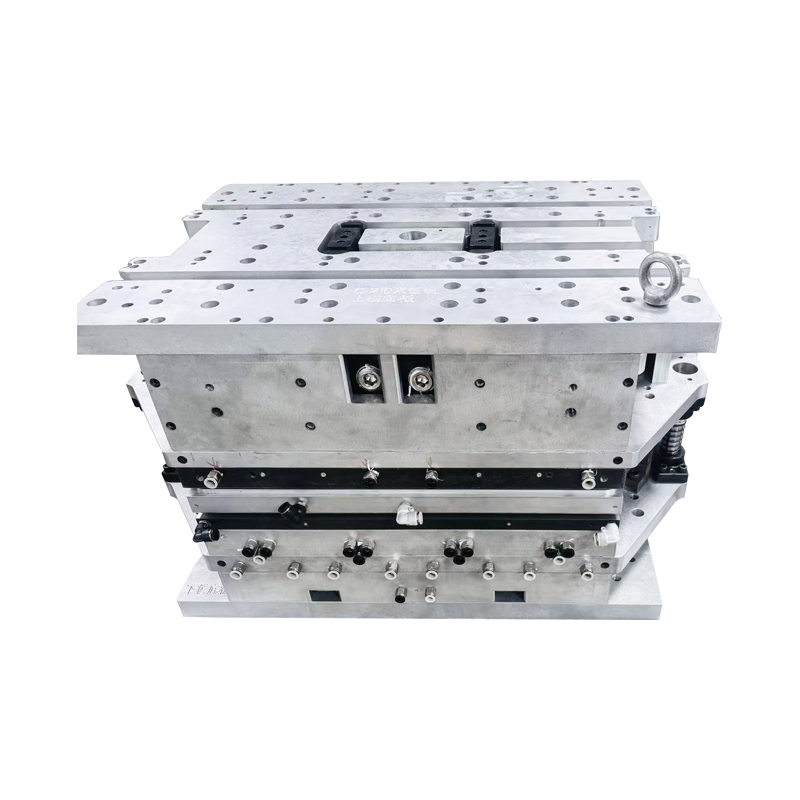
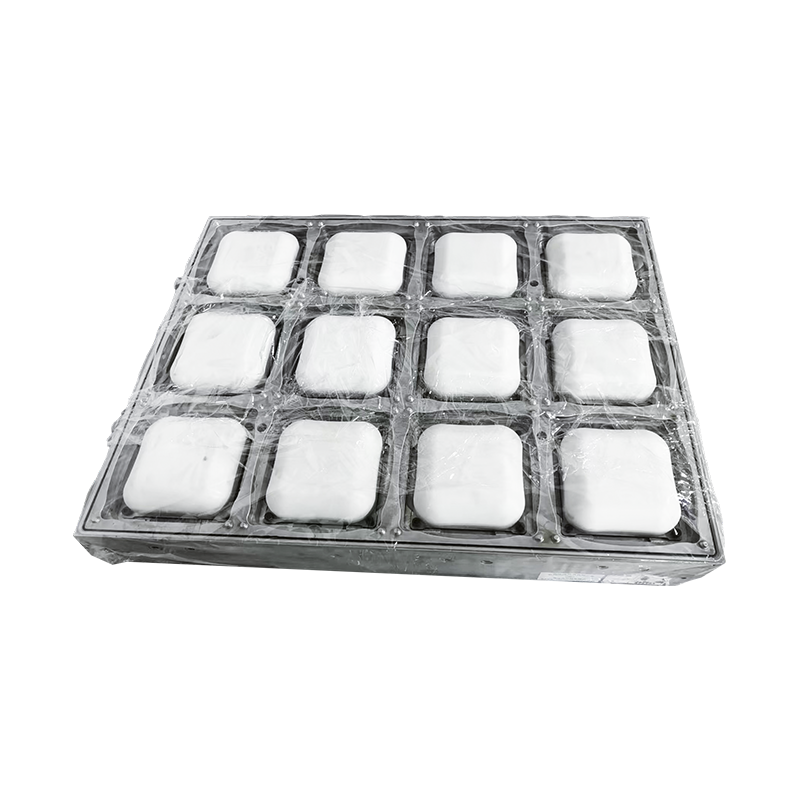
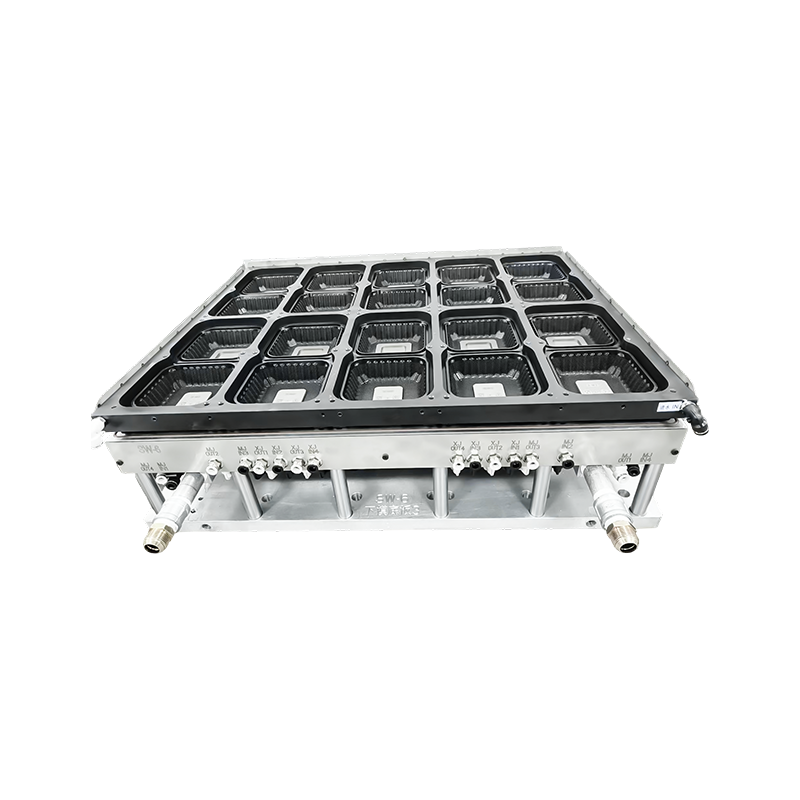
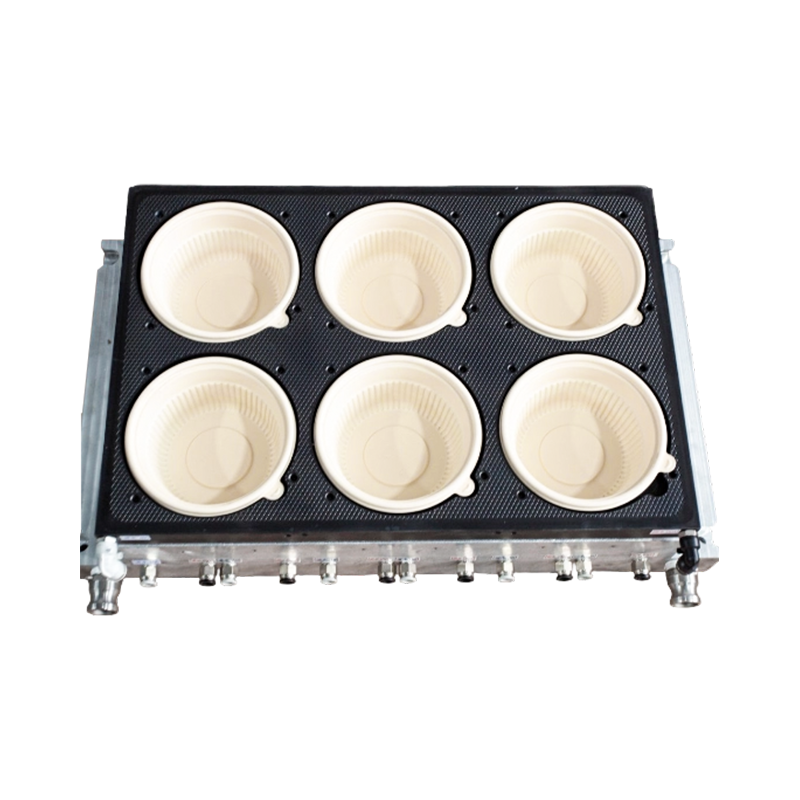
Thermoforming is a versatile and widely used process in the manufacturing of plastic products, particularly for packaging applications. One critical principle in this process is the 10 10 5 rule, which governs the relationship between temperature, time, and pressure. Understanding this rule is essential for optimizing thermoforming performance and ensuring high-quality products. In this article, we will delve into the significance of the 10 10 5 rule in the context of thermoforming and its application to products like Milk Tea Cup Lid Thermoforming Mold.
Understanding the 10 10 5 Rule
The 10 10 5 rule refers to the three main factors that influence the success of a thermoforming process: temperature, time, and pressure. Each of these parameters plays a vital role in ensuring that the material is correctly formed into its intended shape without compromising its structural integrity. The rule suggests that the temperature should be set to a certain level for a period of time, followed by the application of the right amount of pressure.
Let's break it down:
- 10 minutes: The required time to heat the material to the desired forming temperature.
- 10 degrees: The temperature variance allowed for uniform forming.
- 5 psi: The pressure applied to ensure proper forming without excess deformation.
Why the 10 10 5 Rule Matters in Thermoforming
Each component of the 10 10 5 rule is carefully calibrated to ensure the success of the thermoforming process. If any of the parameters are not met, it could result in defects such as incomplete forming, material wastage, or product failure. For instance, setting the temperature too high or too low could result in uneven heating, leading to inconsistent mold formation.
When applied correctly, the 10 10 5 rule helps improve efficiency, reduce costs, and maintain the high standards of production necessary for creating functional products, like the Milk Tea Cup Lid Thermoforming Mold.
Applications of the 10 10 5 Rule in Thermoforming
The 10 10 5 rule is applied across various industries, particularly in the production of food packaging, medical devices, and consumer products. By optimizing the heating, forming, and cooling processes, manufacturers can achieve consistent results in terms of both aesthetics and functionality. For example, in the production of milk tea cup lids, thermoforming molds need to maintain exact precision to ensure they fit perfectly and seal well to prevent leaks.
Key Considerations for Implementing the 10 10 5 Rule
To implement the 10 10 5 rule effectively, there are several key factors to consider:
- Material Selection: The type of plastic material being used greatly impacts the time and temperature settings needed. Different materials have unique forming characteristics that need to be taken into account.
- Mold Design: The shape, size, and complexity of the mold also influence the optimal temperature and pressure required during the forming process.
- Thermoforming Equipment: The efficiency and precision of the thermoforming machine are crucial to achieving the correct temperature, time, and pressure.
Challenges in Thermoforming and How the 10 10 5 Rule Helps Overcome Them
While the 10 10 5 rule provides a reliable framework for thermoforming, challenges can still arise during the process. Some common issues include:
- Inconsistent Forming: This can occur if the material is not heated evenly, leading to weak points or imperfections in the final product.
- Over-Pressurization: Too much pressure can cause the material to stretch or deform, resulting in undesirable shapes.
- Material Wastage: Incorrect timing or temperature can result in excess material being used, leading to wastage and increased costs.
By adhering to the 10 10 5 rule, manufacturers can mitigate these risks and achieve better control over the thermoforming process, ensuring higher quality products like milk tea cup lids and other consumer packaging items.
Benefits of Following the 10 10 5 Rule
Following the 10 10 5 rule offers several advantages in thermoforming:
- Increased Precision: The rule helps ensure that the material is heated and formed consistently, leading to precise molds.
- Cost Efficiency: By reducing material wastage and optimizing production time, manufacturers can save on raw material costs.
- Improved Product Quality: Consistent heating, pressure, and timing result in high-quality products with fewer defects.
Common Thermoforming Products That Use the 10 10 5 Rule
The 10 10 5 rule is commonly applied in the production of:
- Food Packaging: Such as milk tea cup lids and containers.
- Medical Devices: Including trays and packaging for sterilized products.
- Consumer Products: Like trays, blister packs, and cosmetic packaging.
Conclusion
The 10 10 5 rule is a crucial guideline in thermoforming that ensures the efficient production of high-quality products. By adhering to this rule, manufacturers can optimize their processes, reduce waste, and achieve greater consistency in the final output. Understanding how to apply this rule to specific applications like Milk Tea Cup Lid Thermoforming Mold can lead to improved product performance and a more cost-effective production cycle.
FAQs
Q1: What is the ideal temperature for thermoforming?
The ideal temperature depends on the type of material being used. However, most plastics require heating to around 250-350°F (121-177°C) for optimal thermoforming.
Q2: How does pressure affect the thermoforming process?
Pressure helps to mold the material into the desired shape. Applying too much pressure can cause the material to stretch and deform, while too little pressure can result in incomplete forming.
Q3: Can the 10 10 5 rule be applied to all thermoforming processes?
The 10 10 5 rule is a general guideline but may require slight adjustments depending on the material, mold design, and machine being used.