

 en
en  English
 Español
 عربى
عربى
Introduction
The thermoforming process plays a crucial role in the production of plastic lunch boxes. This technique involves heating a plastic sheet until it becomes soft, then molding it into a desired shape using a thermoforming mold. The efficiency and output of thermoforming machines can vary significantly depending on the number of stations in the machine setup. Two common configurations are the 3-station and 4-station lunch box thermoforming machines. In this article, we will explore the differences between these two configurations, focusing on production capabilities, operational advantages, and potential applications.
What Is a Thermoforming Machine?
A thermoforming machine is used to shape plastic sheets into various products by heating them until they become pliable, then pressing them into molds. These machines typically consist of multiple stations, each dedicated to a specific part of the process. The number of stations determines the complexity and speed of production. A 3-station machine typically has three key stages: heating, forming, and trimming. A 4-station machine adds an additional station, typically for the cooling or quality control process. The choice between a 3-station and a 4-station machine depends largely on the volume and type of production required.
Key Differences Between 3-Station and 4-Station Thermoforming Machines
Production Speed and Efficiency
One of the most significant differences between a 3-station and a 4-station thermoforming machine is the production speed. A 4-station machine generally offers higher efficiency due to the additional station, which can reduce cycle time. The extra station can allow for simultaneous cooling or trimming, speeding up the overall process. However, the additional station may also require a higher investment and maintenance cost.
Production Capacity
The capacity of the machine is another important factor to consider. A 3-station machine is suitable for lower volume production, where fewer units need to be produced at a time. In contrast, a 4-station machine can handle higher volumes of production, making it more suitable for large-scale manufacturing. This is particularly beneficial in industries where high-demand plastic products like lunch boxes need to be produced quickly and in large quantities.
Machine Setup and Complexity
While a 3-station machine is simpler in design and easier to operate, a 4-station machine introduces added complexity. The additional station may require more advanced automation, which could increase setup time and training requirements for operators. For businesses looking to scale up their operations, this added complexity may be worth the investment, but for smaller companies or startups, the 3-station machine may be more practical.
Advantages of 3-Station Lunch Box Thermoforming Machines
The 3-station thermoforming machine offers several advantages, particularly for smaller operations or companies looking for cost-effective solutions. Here are some of the main benefits:
- Lower Initial Investment: The 3-station machine is less expensive, making it a more affordable option for companies with budget constraints.
- Less Maintenance: Fewer components mean less potential for malfunction, resulting in lower maintenance costs and downtime.
- Simpler Operation: The machine’s fewer stages make it easier to operate, which can reduce training time for employees.
- Ideal for Low to Medium Volume Production: Perfect for businesses that do not require high production rates.
Advantages of 4-Station Lunch Box Thermoforming Machines
On the other hand, the 4-station thermoforming machine has several advantages for businesses looking to scale up or improve production efficiency:
- Higher Production Speed: The added station allows for faster production times by overlapping key processes such as cooling and trimming.
- Increased Production Capacity: With an additional station, the machine can handle higher volumes of production, making it ideal for businesses with large-scale operations.
- Improved Quality Control: The additional station allows for better separation of processes, making it easier to implement quality control measures, such as cooling before trimming or inspecting finished products.
- More Automation: With the increased number of stations, automation tends to be more advanced, resulting in higher consistency in the final products.
Applications of 3-Station and 4-Station Thermoforming Machines
When to Choose a 3-Station Machine
A 3-station lunch box thermoforming machine is a solid choice for businesses that do not need to produce large volumes but still require consistent quality and efficiency. This machine is ideal for:
- Small to Medium-Scale Operations
- Businesses with Limited Budgets
- Custom or Low-Volume Production of Specialized Products
When to Choose a 4-Station Machine
For larger-scale manufacturers or companies aiming to increase efficiency and output, a 4-station thermoforming machine is a better fit. It’s best suited for:
- High-Volume Production
- Large Manufacturing Plants Looking for Faster Turnaround Times
- Companies with High Automation Needs and Advanced Quality Control
Conclusion
Both the 3-station and 4-station lunch box thermoforming machines offer distinct advantages depending on the scale and nature of the production. The 3-station machine is ideal for smaller operations that require cost-effectiveness and simplicity, while the 4-station machine excels in large-scale production with high efficiency and advanced automation. The decision on which machine to choose will ultimately depend on the production volume, budget, and the level of automation needed by the business.
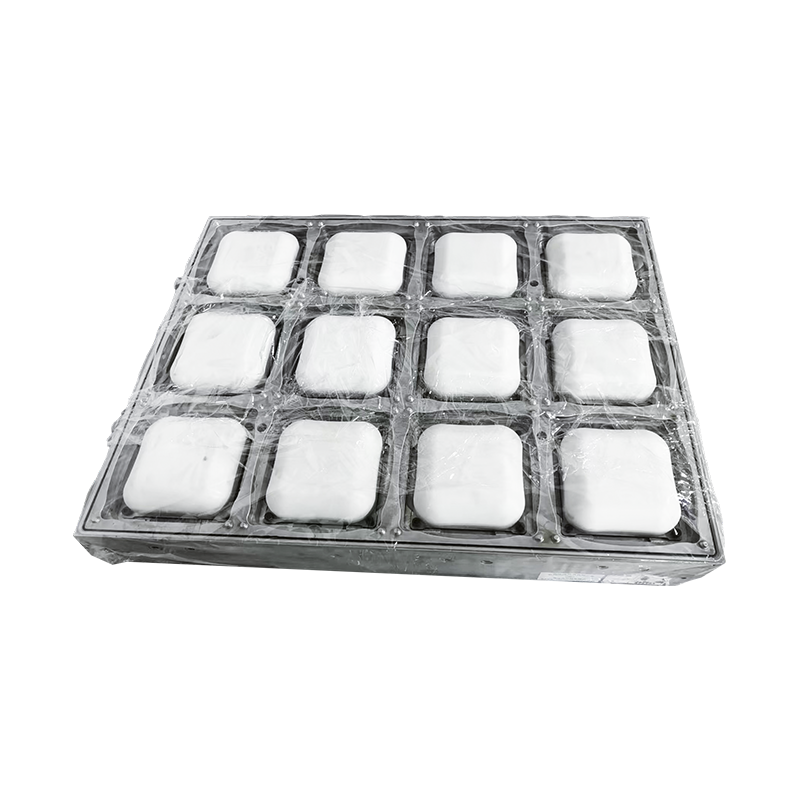
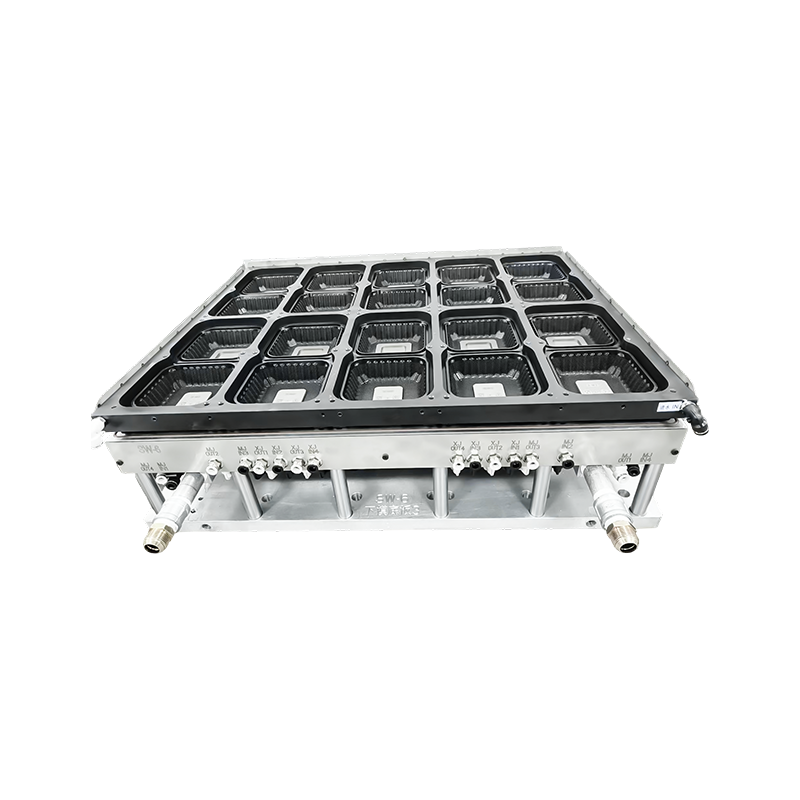
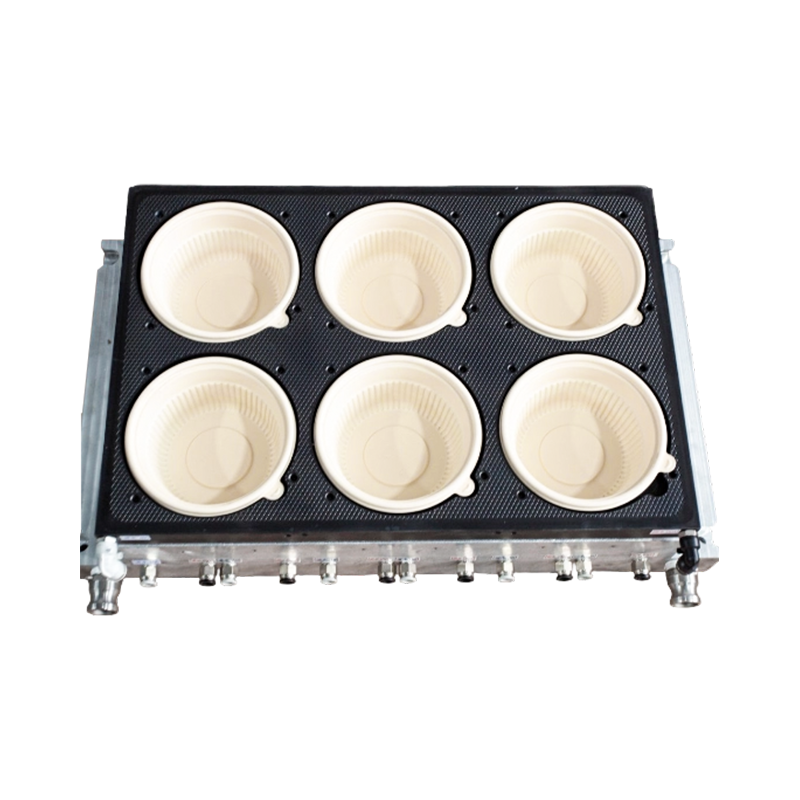
For businesses looking to improve their production capacity, multi-station plastic lunch box thermoforming molds can offer enhanced productivity, efficiency, and consistency.
FAQ
Q1: Which machine is more suitable for high-volume production?
A 4-station thermoforming machine is better suited for high-volume production due to its increased production speed and capacity.
Q2: Are 3-station thermoforming machines more cost-effective?
Yes, 3-station machines are generally less expensive, making them a more cost-effective option for small to medium-sized operations.
Q3: Can a 3-station machine be upgraded to a 4-station machine?
In most cases, upgrading a 3-station machine to a 4-station machine is not feasible without significant modifications, as the design and automation components are usually different.