

 en
en  English
 Español
 عربى
عربى
Thermoforming molds are essential tools used in the manufacturing process of disposable plastic cups. With the growing demand for high-quality, cost-efficient, and sustainable products, choosing the right thermoforming mold can be a critical decision for manufacturers.
Understanding Thermoforming and Its Role in Disposable Cup Production
Thermoforming is a manufacturing process where a plastic sheet is heated to a pliable forming temperature and then shaped over a mold. After forming, the mold is cooled to solidify the plastic into the desired shape. In the case of disposable plastic cup thermoforming molds, this process is critical to ensuring that the cups produced meet the necessary specifications for strength, durability, and functionality.
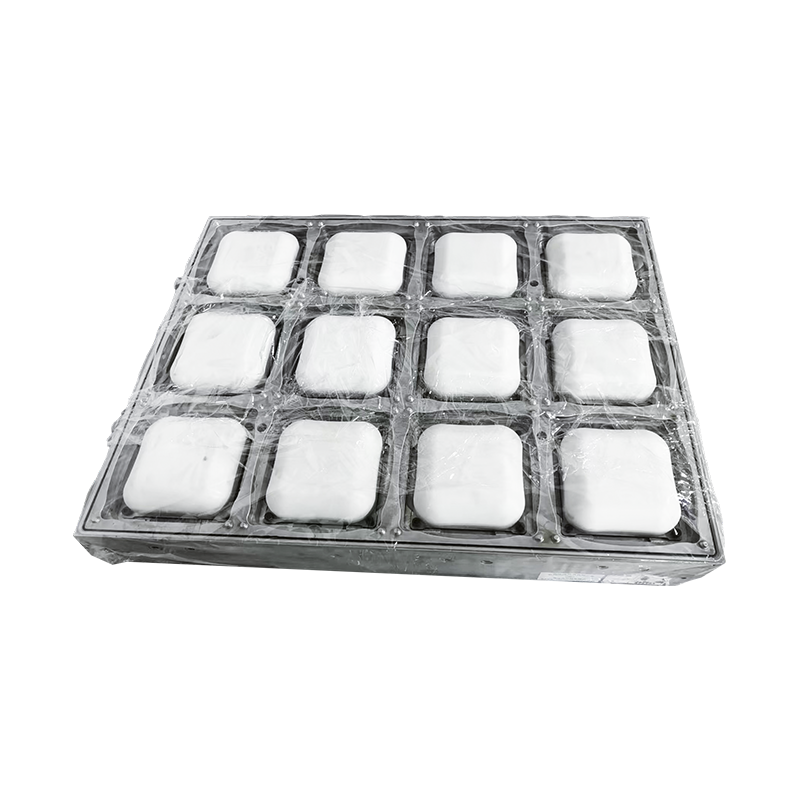
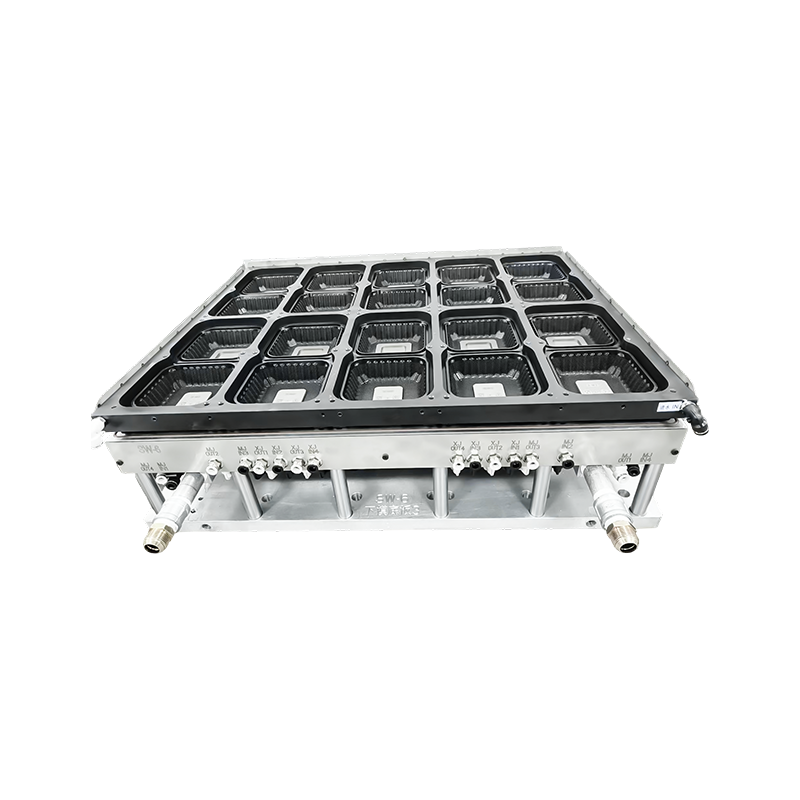
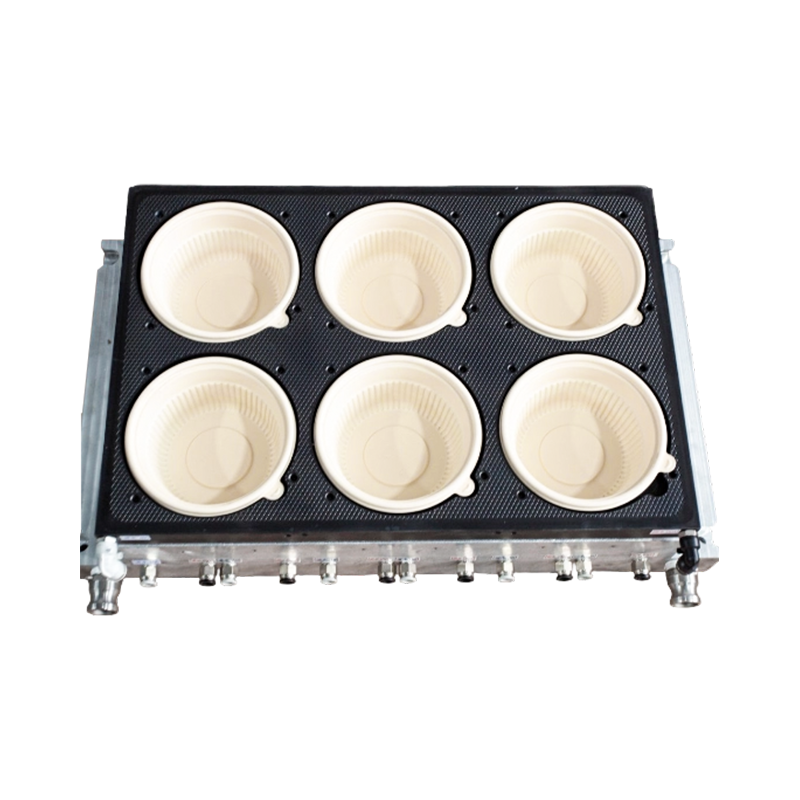
There are two primary types of thermoforming molds used for disposable cup production: single-cavity molds and multi-cavity molds. The choice between these two depends on several factors including production volume, desired mold complexity, and the need for cost-efficiency.
Key Factors to Consider When Choosing the Best Thermoforming Mold for Disposable Cups
Selecting the appropriate disposable plastic cup thermoforming mold requires careful consideration of various factors that can directly influence the quality of the final product. Below are the key considerations to make when evaluating different molds:
1. Material Compatibility
The material you choose for producing your disposable cups plays a pivotal role in mold selection. Some common materials used in disposable plastic cup thermoforming molds include PET, PP, and PS. Each material has specific characteristics such as melting point, flexibility, and strength, which may impact the mold’s design and performance. For instance, PET is often preferred for its rigidity and ability to withstand higher temperatures, while PP is suitable for products requiring flexibility.
Table 1: Material Comparison for Thermoforming Molds
| Material | Strength | Flexibility | Temperature Resistance | Common Uses |
|---|---|---|---|---|
| PET | High | Low | High | Cold drinks cups, food packaging |
| PP | Medium | High | Medium | Hot drink cups, food packaging |
| PS | Low | Low | Low | Disposable cups for cold beverages |
2. Mold Type: Single vs. Multi-Cavity Molds
The choice between single-cavity and multi-cavity molds depends largely on the production volume and the complexity of the cup design. Single-cavity molds are ideal for low-volume production or prototypes, while multi-cavity molds can help increase production efficiency by creating multiple cups at once.
Multi-cavity molds are more expensive, but they provide significant cost savings in the long term by increasing the production rate, which is critical for manufacturers looking to scale up operations.
3. Mold Material
The material of the mold itself is another important consideration. Steel molds are commonly used due to their strength and durability, allowing them to withstand the high pressures involved in the thermoforming process. However, aluminum molds can be a more cost-effective option for smaller production runs or prototype designs.
4. Mold Design and Features
The design of the mold is also crucial for determining the quality of the final disposable cup. Factors such as ease of demolding, cooling efficiency, and the complexity of the cup shape all influence the design of the mold. Molds with more intricate designs may require advanced features, such as automated cooling systems and quick-change mechanisms, to ensure consistent performance and to reduce cycle times.
5. Cost Efficiency and Maintenance
Manufacturers must balance the cost of the mold with long-term cost efficiency. While high-quality molds may have a higher initial cost, they can offer superior performance, faster production times, and greater durability. Additionally, molds that are easy to maintain will help minimize downtime and maintenance costs.
Table 2: Cost vs. Production Efficiency for Thermoforming Molds
| Mold Type | Initial Cost | Maintenance Cost | Production Speed | Durability |
|---|---|---|---|---|
| Single-Cavity | Low | Low | Slow | Medium |
| Multi-Cavity | High | Medium | Fast | High |
6. Cycle Time and Production Rate
Cycle time refers to the amount of time it takes to produce a single disposable plastic cup using the thermoforming mold. The cycle time can be affected by several factors, including the complexity of the mold, the material used, and the production volume.
Multi-cavity molds tend to reduce cycle times by enabling the production of multiple cups at once. Therefore, understanding the relationship between cycle time and production rate is vital for optimizing output and reducing manufacturing costs.
7. Customization and Flexibility
Sometimes, manufacturers may require specific customizations for their disposable plastic cup thermoforming molds to meet certain design requirements or industry standards. It’s essential to choose a mold that offers enough flexibility to accommodate custom features such as embossed logos, custom shapes, or unique sizes.
The Impact of Quality Control in Mold Selection
Quality control is integral to the success of disposable plastic cup thermoforming molds. A mold that does not meet the required standards can lead to defective cups, which can be costly and impact customer satisfaction. Therefore, manufacturers must ensure that the mold is tested thoroughly and is capable of maintaining consistent product quality throughout the production cycle.
Conclusion
Choosing the best disposable plastic cup thermoforming mold requires a careful balance of material choice, mold type, production efficiency, and long-term cost effectiveness. By considering all the factors discussed above, manufacturers can select the most appropriate mold to meet their production needs and ensure the production of high-quality disposable cups that meet industry standards.
Common FAQ
Q1: What is the lifespan of a disposable plastic cup thermoforming mold?
A1: The lifespan of a disposable plastic cup thermoforming mold largely depends on the material quality, maintenance practices, and production volumes. Generally, molds made from steel or aluminum can last for several years with proper care and maintenance.
Q2: Can I use the same mold for different cup sizes?
A2: It is possible to use the same mold for different sizes of cups, but it may require additional modifications or a multi-cavity mold design to accommodate varying shapes and sizes. It’s important to consult with a mold specialist to determine the best approach.
Q3: What is the role of mold cooling in the thermoforming process?
A3: Efficient mold cooling is crucial to the thermoforming process as it helps solidify the plastic quickly, reducing cycle time and improving production efficiency. Proper cooling also helps prevent warping and ensures the final product maintains its shape and strength.
References
- “Thermoforming Process and Applications in Disposable Cup Manufacturing.” Journal of Plastics Engineering, 2023.
- “Choosing the Right Thermoforming Mold for Efficient Production.” Plastics Industry Review, 2022.
- “Material Selection for Thermoforming Molds in the Disposable Cup Industry.” Polymer Manufacturing, 2021.