

 en
en  English
 Español
 عربى
عربى
Introduction to Thermoforming Molds
Thermoforming is a widely used manufacturing process in various industries, particularly for producing plastic products like cup lids, containers, and packaging. The core of thermoforming lies in its use of molds, which shape plastic material when it is heated and formed under pressure. In this article, we will dive into the essential aspects of thermoforming molds, focusing on their role in cup lid production and the key factors to consider when selecting or designing a mold.
What Is Thermoforming?
Thermoforming involves heating a thermoplastic sheet until it becomes soft and pliable. This sheet is then formed over a mold to produce the desired shape. Once the plastic cools and solidifies, it retains the shape of the mold, resulting in a finished product.
The thermoforming process is used to create a variety of products, including cups, trays, and lids. The success of thermoforming largely depends on the quality of the mold used in the process.
How Thermoforming Molds Work
Thermoforming molds are the tools that shape the heated plastic sheet into the final product. The mold must be carefully designed to ensure that the plastic can be evenly stretched and formed without defects. The two main types of thermoforming are vacuum forming and pressure forming, both of which rely on precise mold design.
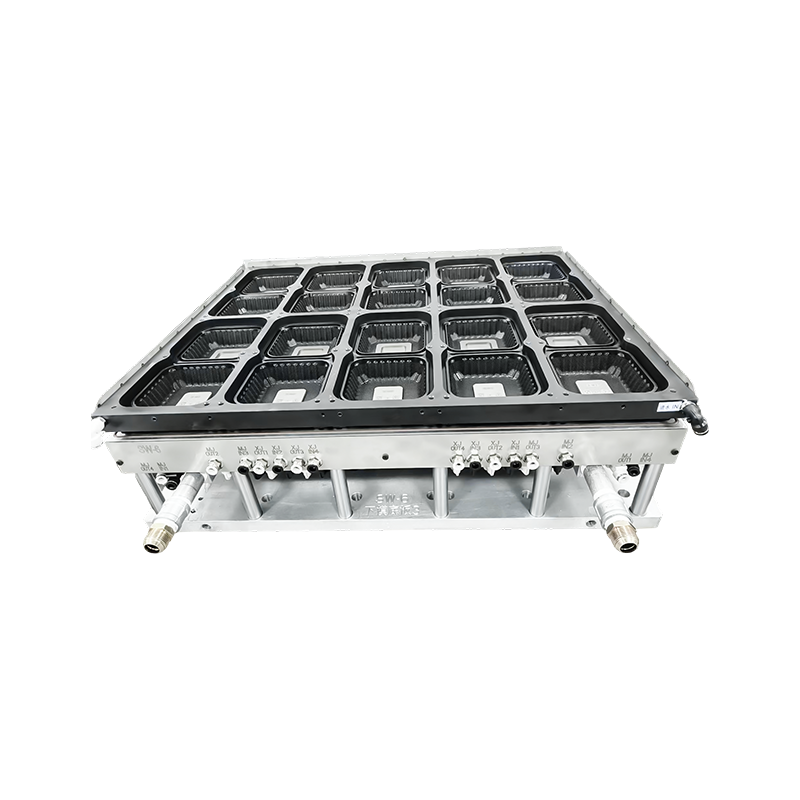
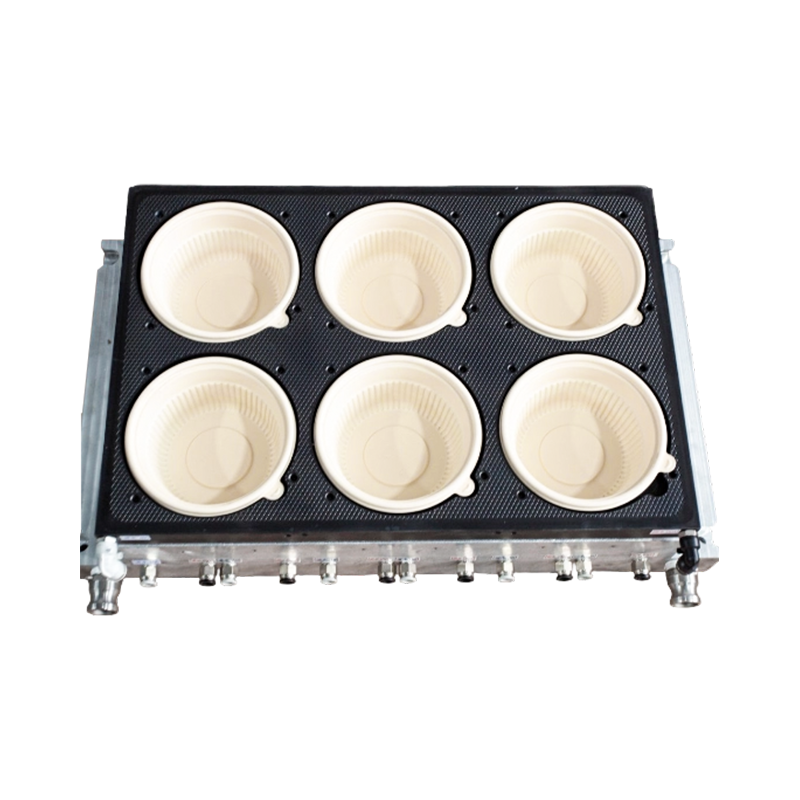
A thermoforming cup lid mold typically includes features like deep cavities, venting holes, and channels for cooling, all of which contribute to the efficiency and quality of the process.
Key Factors in Thermoforming Mold Design
The design of a thermoforming mold is critical to the success of the process. Several factors influence the mold design, including material choice, mold temperature, and the complexity of the part being produced. Below are some of the key elements that affect mold performance:
- Material selection: Different plastics require different types of molds. For example, high-temperature resistant materials need molds that can withstand higher temperatures.
- Mold temperature control: Proper cooling and heating systems are essential for uniform product quality.
- Mold geometry: The shape of the mold must match the intended product’s design, with considerations for uniformity and ease of material flow.
Materials Used in Thermoforming Molds
Thermoforming molds are typically made from metals such as aluminum, steel, or sometimes, composites. Each material has its advantages and disadvantages depending on the application:
- Aluminum: Lightweight and easy to machine, aluminum molds are suitable for lower-volume production.
- Steel: More durable and ideal for high-volume production, steel molds can handle high temperatures but are heavier and more costly to produce.
- Composites: Used for specialized applications where lightweight and strength are important, though less common.
The Role of Vacuum and Pressure in Thermoforming
Thermoforming processes can be divided into vacuum forming and pressure forming, each with its own advantages:
- Vacuum forming: This method uses a vacuum to pull the heated plastic into the mold, creating a thin-walled product. It is cost-effective for producing simpler designs.
- Pressure forming: This technique uses pressurized air to force the plastic sheet into the mold. It is used for more complex and detailed parts, offering higher precision and better surface finish.
Maintenance and Care of Thermoforming Molds
Proper maintenance of thermoforming molds is essential for ensuring consistent product quality and extending the mold's lifespan. Regular cleaning, lubrication, and checking for signs of wear can prevent production delays and costly repairs. A few best practices include:
- Regularly inspect molds for cracks or deformation.
- Lubricate mold parts to reduce wear and ensure smooth operation.
- Clean molds thoroughly to prevent material buildup, which can affect product quality.
Common Issues in Thermoforming and How to Avoid Them
Thermoforming can encounter various issues that affect the quality of the finished product. Some of the most common problems include:
- Inconsistent wall thickness: This can occur if the plastic is not evenly stretched, resulting in weak spots or defects.
- Air bubbles or trapped air: Improper mold venting can lead to air pockets in the finished product, compromising strength and appearance.
- Warping or deformation: This happens when the plastic cools unevenly, causing the final product to lose its intended shape.
To avoid these issues, it's important to ensure proper mold design, material selection, and process control.
Conclusion
Thermoforming molds play a vital role in the production of plastic products like cup lids and packaging. Understanding the design considerations, materials, and common issues associated with molds can help improve the efficiency and quality of the thermoforming process. By maintaining molds properly and selecting the right materials, manufacturers can achieve consistent results and reduce the risk of defects.
FAQ
Q1: What is the main difference between vacuum forming and pressure forming?
A1: Vacuum forming uses a vacuum to draw heated plastic into a mold, while pressure forming applies pressurized air to force the plastic into the mold. Pressure forming is ideal for more detailed and complex shapes.
Q2: How do I maintain a thermoforming mold?
A2: Regular cleaning, lubrication, and inspection are essential for maintaining a thermoforming mold. Check for cracks, deformation, or buildup of materials that can affect production quality.
Q3: What materials are commonly used for thermoforming molds?
A3: Thermoforming molds are typically made from aluminum, steel, or composite materials, with the choice depending on the production volume and material requirements.