

 en
en  English
 Español
 عربى
عربى
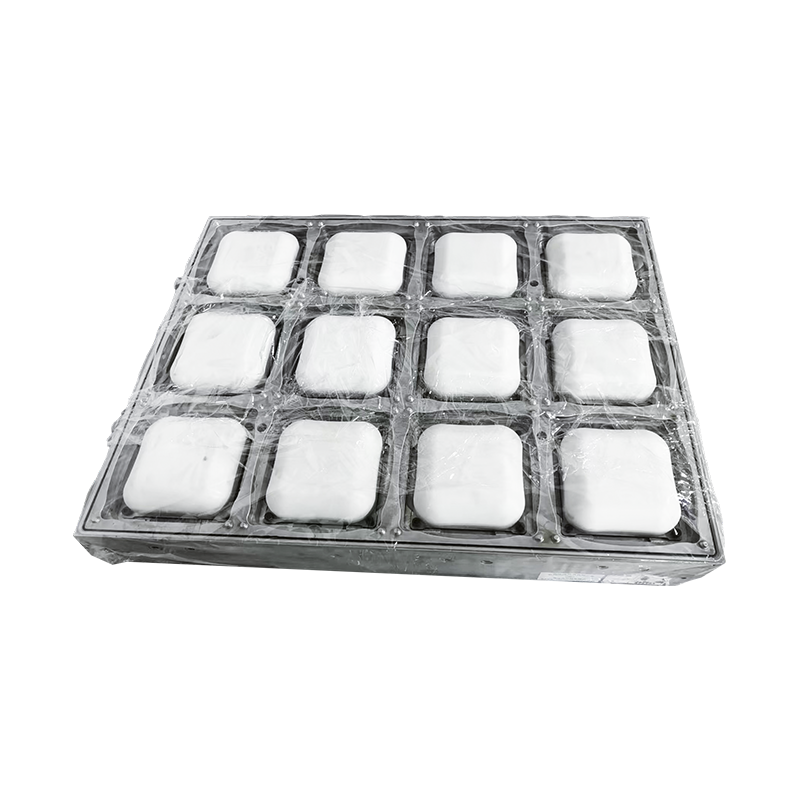
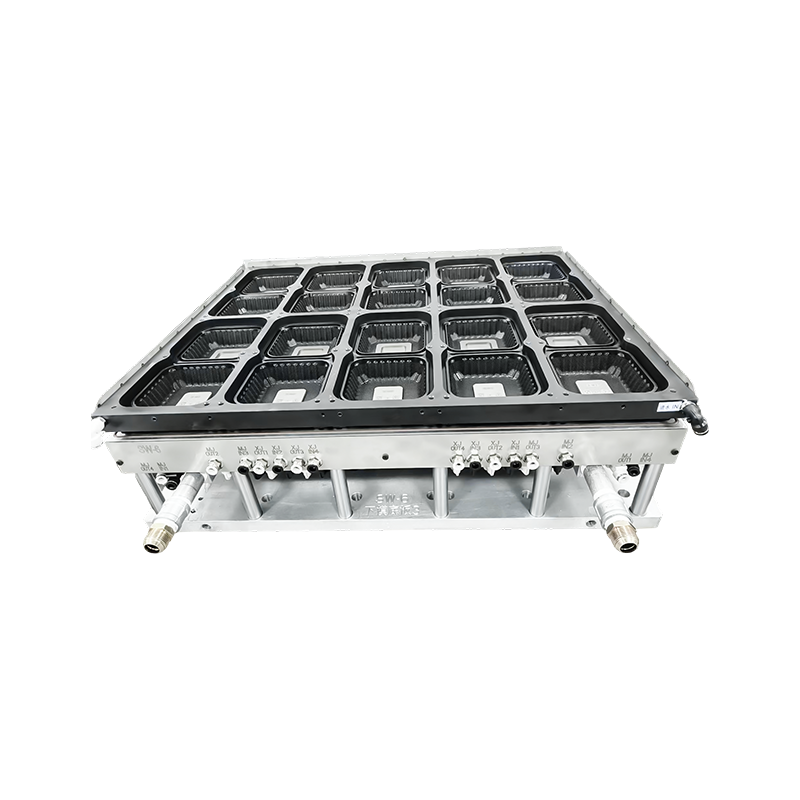
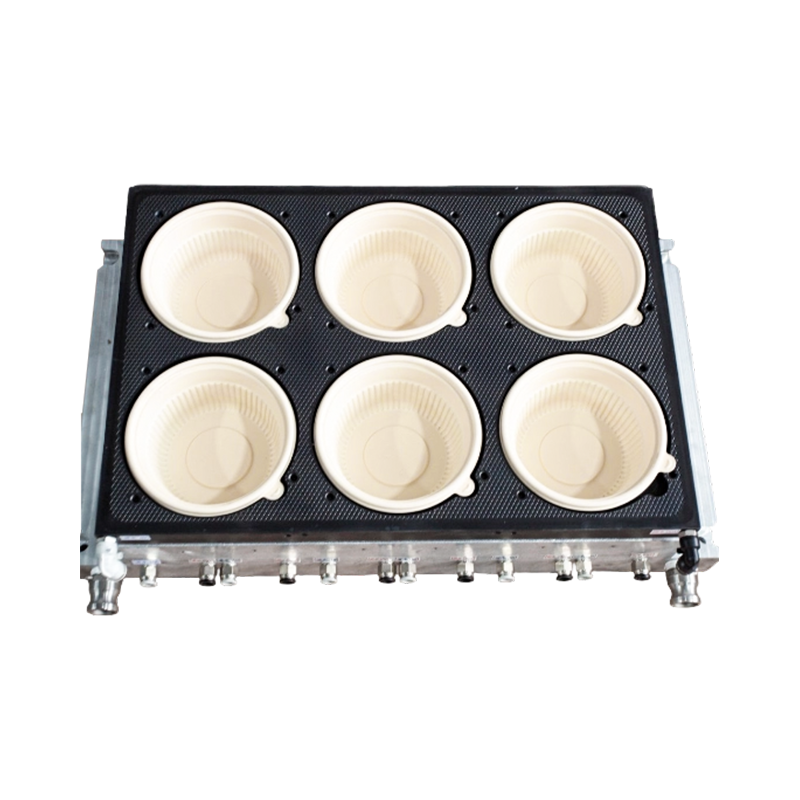
Aluminum thermoforming molds have become a cornerstone in various industries, including packaging, automotive, and medical device manufacturing. The thermoforming process involves heating a plastic sheet until it becomes pliable, then forming it into a specific shape using a mold. Aluminum molds, in particular, are favored for their numerous advantages, which significantly improve the efficiency, quality, and cost-effectiveness of production.
1. Introduction to Aluminum Thermoforming Molds
Thermoforming is a process used to shape plastic into specific forms by heating it and using molds. Aluminum molds are commonly employed in this process due to their ability to withstand high temperatures, their durability, and their cost-effectiveness. These molds can be used across various applications, including packaging products such as food containers, automotive parts, and medical devices.
The appeal of aluminum thermoforming molds lies in their unique combination of properties, such as thermal conductivity, weight, and versatility. The effectiveness of this mold type has made it a popular choice in industries where precision, cost control, and repeatability are essential.
2. Durability and Longevity
One of the most significant advantages of aluminum thermoforming molds is their durability. Aluminum is a highly robust material that can withstand the stresses of repeated heating and cooling cycles. This longevity translates to fewer mold replacements, reducing maintenance costs over time.
The strength of aluminum makes it ideal for high-volume production runs. These molds can endure hundreds of thousands of cycles without showing signs of wear, making them highly efficient for industries that require continuous production. Additionally, aluminum molds are less prone to cracking or warping under heat, further contributing to their long service life.
3. Excellent Thermal Conductivity
Aluminum is known for its excellent thermal conductivity, which is crucial in the thermoforming process. When forming plastic sheets, it is essential that the mold reaches the required temperature quickly and evenly to ensure a uniform shape. Aluminum thermoforming molds excel in this regard, as they heat up and cool down rapidly, resulting in faster cycle times and improved production efficiency.
By maintaining consistent mold temperatures, aluminum molds help avoid issues such as uneven material flow or defects in the finished product. This property also ensures that the plastic material is properly formed, reducing the chances of distortion or dimensional inconsistencies.
4. Cost-Effectiveness
While aluminum molds may require a higher initial investment compared to other mold materials like steel, they are much more cost-effective in the long term. This is primarily due to their light weight and ease of manufacturing. Aluminum molds are easier to machine, which reduces tooling costs and speeds up production timelines.
Moreover, the durability and longevity of aluminum molds result in fewer replacements and repairs, thus lowering the overall cost of ownership. In industries with high-volume production, these cost savings can be significant, making aluminum molds a preferred choice for businesses aiming to balance quality and cost.
5. Precision and Customization
Aluminum thermoforming molds offer high precision in shaping plastic sheets, which is particularly important when manufacturing products with tight tolerances. The material allows for detailed engraving and fine adjustments, making it possible to create complex and intricate mold designs.
Furthermore, aluminum molds can be customized to suit specific production needs. Whether creating a simple packaging tray or a detailed automotive part, aluminum molds can be tailored to meet exact requirements. The ability to easily modify and adapt aluminum molds ensures that manufacturers can respond quickly to changing design specifications, improving flexibility in production.
6. Lightweight and Easy Handling
Another benefit of aluminum thermoforming molds is their light weight. Compared to heavier materials such as steel, aluminum is much easier to handle, especially when molds need to be moved or replaced during the production process. The lighter weight of aluminum reduces the physical strain on operators and improves the overall handling and storage of molds.
This also leads to faster machine setup times, as the molds are easier to install and remove. In industries with tight production schedules, the ease of handling can significantly reduce downtime, further enhancing production efficiency.
7. Enhanced Surface Finish Quality
Aluminum molds contribute to an excellent surface finish on the final product. The smoothness of aluminum provides a high-quality finish that is critical in certain applications, such as medical device manufacturing or high-end consumer packaging. The polished surface of aluminum molds ensures that the plastic takes on a smooth, glossy finish, reducing the need for post-processing or additional finishing steps.
This quality is especially important in sectors where the aesthetic appearance of the product is essential. Aluminum molds are capable of producing consistent, high-quality finishes over multiple production runs, ensuring that every unit meets the desired standards.
8. Energy Efficiency
The thermal properties of aluminum not only make it efficient in heating but also in cooling. Aluminum molds cool down quickly once the forming process is complete, reducing the overall cycle time. Faster cooling means that more products can be made in a shorter period, contributing to increased production capacity.
Additionally, the rapid cooling process minimizes the risk of thermal expansion or deformation, which can cause defects in the molded plastic. This efficiency helps reduce energy consumption, leading to lower operating costs and a more sustainable manufacturing process.
9. Environmental Benefits
As industries increasingly focus on sustainability, the environmental benefits of aluminum thermoforming molds are noteworthy. Aluminum is a recyclable material, which means that used or outdated molds can be recycled and repurposed. This contributes to reducing waste and supporting the circular economy.
Furthermore, the efficiency of aluminum molds in terms of energy consumption and material usage reduces the environmental footprint of the thermoforming process. By minimizing energy use and maximizing production efficiency, aluminum molds play a role in making manufacturing processes more environmentally friendly.
10. Applications of Aluminum Thermoforming Molds
Aluminum molds are used in a variety of industries due to their versatility. Some of the most common applications include:
- Packaging Industry: Aluminum molds are used to create trays, containers, and other packaging materials for food and consumer goods.
- Automotive Industry: Automotive components such as interior parts and panels can be formed using aluminum molds.
- Medical Device Manufacturing: Aluminum molds are crucial in producing precise and clean components for medical devices.
- Consumer Products: From plastic covers to household items, aluminum molds are used to create a range of consumer products.
FAQ: Common Questions About Aluminum Thermoforming Molds
Q1: What makes aluminum molds a preferred choice over steel molds in thermoforming?
A1: Aluminum molds are preferred for their superior thermal conductivity, light weight, and cost-effectiveness. They heat and cool faster than steel molds, reducing production cycle times. Additionally, aluminum is easier to machine, which lowers tooling costs and setup times.
Q2: How long do aluminum molds typically last in production?
A2: Aluminum molds are highly durable and can withstand hundreds of thousands of production cycles before showing signs of wear. Their longevity depends on factors such as the type of material being molded and the specific production conditions.
Q3: Can aluminum molds be customized for complex designs?
A3: Yes, aluminum molds can be easily customized to accommodate complex shapes and detailed designs. Their precision allows for intricate mold features, making them suitable for applications that require high accuracy and quality.
References
- “The Advantages of Aluminum Molds in Thermoforming Applications.” Thermoforming Industry Journal, 2023.
- “Thermoforming Processes and Materials.” Journal of Manufacturing Science and Technology, 2022.
- “Aluminum Mold Manufacturing: Best Practices.” Plastic Manufacturing Review, 2021.