

 en
en  English
 Español
 عربى
عربى
Comprehensive Introduction to FDA Compliance in Food Packaging Production
The safety of the global food supply chain depends heavily on the integrity of the materials that come into contact with consumable goods. In the manufacturing sector, particularly for those utilizing food packaging vacuum forming molds, understanding the regulatory landscape established by the Food and Drug Administration (FDA) is not merely a legal obligation but a cornerstone of consumer safety. When food is processed or packaged, there is a physical phenomenon known as migration, where substances from the packaging or the tooling used to create that packaging can transfer into the food product. The FDA regulates these "indirect food additives" to ensure that any migration occurs at levels low enough to be considered safe for human consumption.
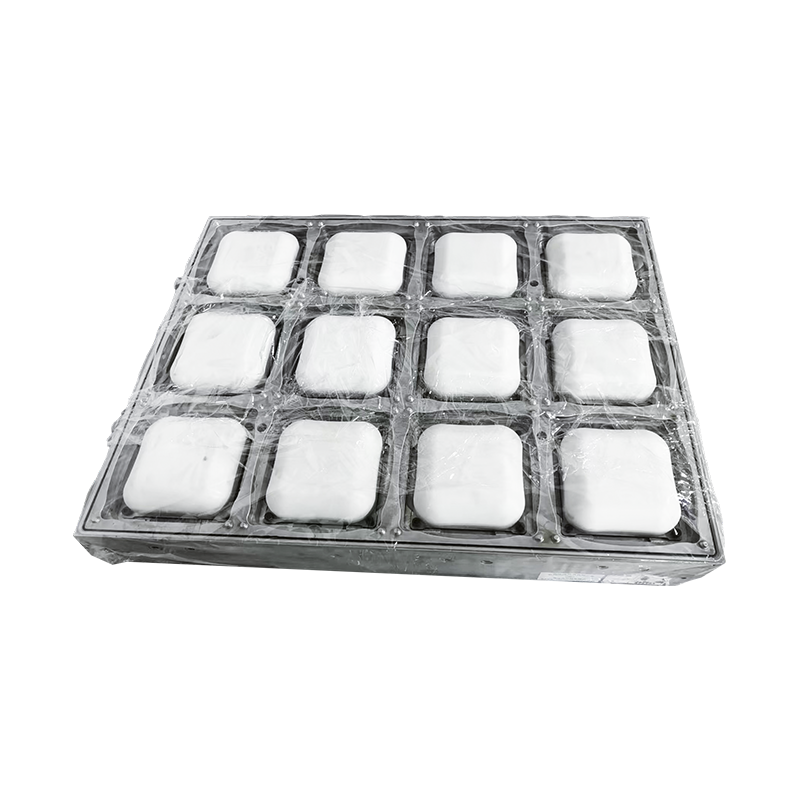
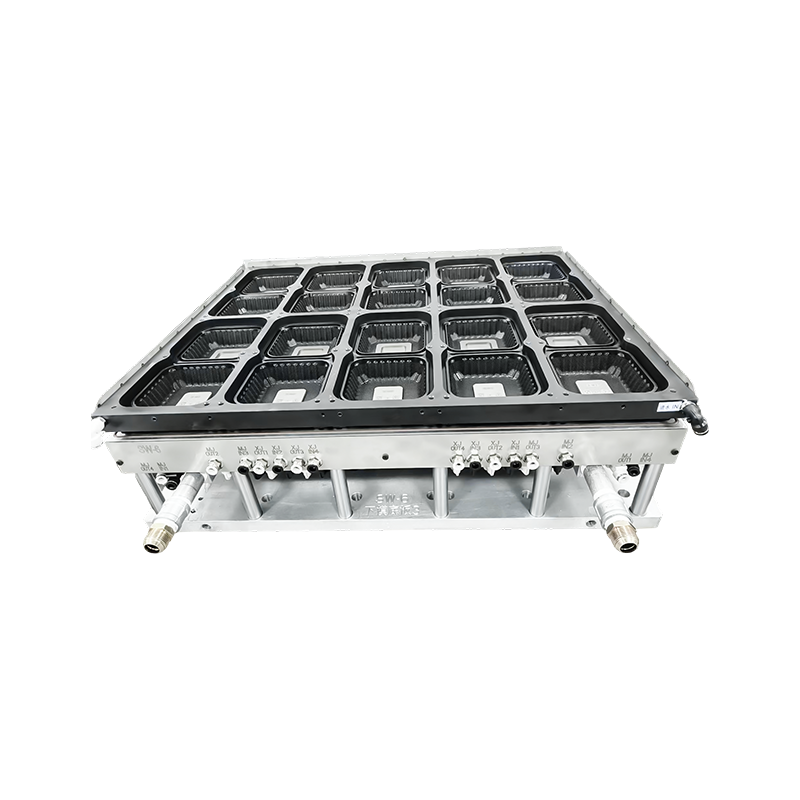
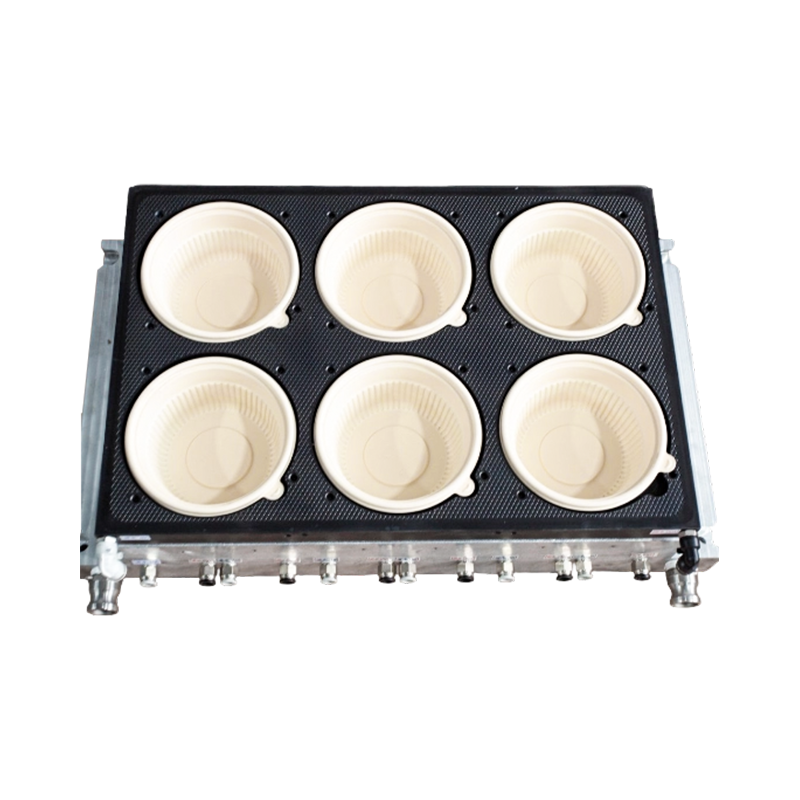
Vacuum forming is a widely used process for creating trays, containers, and clamshell packaging. The mold itself acts as the primary interface between the raw plastic sheet and the final product shape. While the mold is technically a "food contact surface" rather than a packaging material that stays with the food, the FDA requirements remain stringent. This is because any chemical residue, heavy metal, or unreacted monomer present on the surface of the mold can potentially contaminate the plastic substrate during the heating and forming phases. High temperatures involved in vacuum forming exacerbate the risk of chemical leaching, making the selection of mold materials a critical decision for manufacturers.
To navigate these requirements, one must look toward the Code of Federal Regulations (CFR), specifically Title 21. This set of guidelines outlines which polymers, metals, and coatings are permissible for food contact. The transition from industrial-grade manufacturing to food-grade manufacturing requires a shift in mindset—from focusing solely on mechanical durability to prioritizing chemical stability and purity. This article provides a technical deep dive into the specific material requirements, testing protocols, and best practices for maintaining FDA compliance in the production of molds used for food packaging.
Regulatory Framework: Understanding 21 CFR
The primary regulatory body in the United States, the FDA, classifies materials used in food contact under a specific hierarchy. For manufacturers of vacuum forming molds, the most relevant sections of the 21 CFR are those dealing with "Indirect Food Additives."
Indirect Food Additives: Adjuvants and Production Aids
Under 21 CFR Parts 174-178, the FDA provides a list of substances that are cleared for use in the manufacturing of food-grade articles. Even if the mold material itself is a metal, the coatings, lubricants, and release agents used during the vacuum forming process must comply with these sections. Substances must be "Generally Recognized as Safe" (GRAS) or have a prior sanction for use before the 1958 Food Additives Amendment.
The Role of the Food Contact Notification (FCN) Program
For newer materials or proprietary alloys that are not specifically listed in the CFR, the FDA utilizes the FCN program. This requires the manufacturer to submit toxicological and environmental data to prove that the material does not pose a health risk. When selecting a material for a mold, it is essential to verify if the material has an active FCN number, which serves as evidence of its safety for intended use.
Approved Materials for Vacuum Forming Molds
The choice of mold material impacts both the longevity of the tool and the safety of the final food package. Below are the most common FDA-compliant materials used in the industry.
| Material Type | FDA Compliance Status | Common Application |
| Aluminum Alloys (e.g., 6061) | Compliant (Untreated) | High-volume trays and containers |
| Stainless Steel (304/316) | Inherently Compliant | Medical-grade or highly acidic food packaging |
| High-Density Polyethylene (HDPE) | Compliant per 21 CFR 177.1520 | Prototyping and short-run production |
| PTFE Coatings | Compliant per 21 CFR 177.1550 | Release enhancement for complex geometries |
Aluminum Alloys in Vacuum Forming
Aluminum is the industry standard for vacuum forming because of its excellent thermal conductivity. From a regulatory standpoint, aluminum is generally considered safe for food contact surfaces, provided it is free from lead and other toxic impurities. However, the porosity of cast aluminum can sometimes be a concern for bacterial growth if not properly finished.
Specialty Stainless Steels
Stainless steel is favored for its extreme corrosion resistance. For food packaging that involves high acidity (such as fruit trays), 316-grade stainless steel is preferred over 304 due to its higher molybdenum content, which prevents pitting and ensures that no metallic ions migrate into the packaging material during the heat-forming process.
Surface Finish and Porosity Standards
The physical structure of a mold's surface is just as important as its chemical composition. The FDA emphasizes the importance of surfaces being "smooth and easily cleanable." In the context of vacuum forming, this translates to specific Ra (Roughness Average) values.
- Sanitary Finishes: Molds should typically be polished to a finish that prevents plastic from sticking and minimizes microscopic crevices where contaminants can hide.
- Micro-porosity: Cast molds must be inspected for pinholes. Even tiny voids can trap residues from previous production runs, leading to cross-contamination.
- Venting Requirements: While vacuum forming requires vent holes, these holes must be drilled with precision to ensure they do not create burrs or rough edges that could shed particulate matter into the food packaging.
Effective cleaning protocols are mandatory. The FDA requires that any equipment used in food production be designed to withstand rigorous cleaning with approved sanitizing agents without degrading or releasing toxic byproducts.
Chemical Migration and Testing Protocols
How does a manufacturer prove that a mold is compliant? The answer lies in migration testing. This involves simulating the conditions under which the mold will operate and measuring the transfer of substances.
Overall Migration Limit (OML)
OML measures the total amount of non-volatile substances that migrate from a material into a food simulant. For vacuum forming molds, testing often involves "swabbing" the mold surface or testing the first few units of a production run to ensure that no manufacturing oils or residual particulates are present.
Specific Migration Limit (SML)
SML is more targeted, focusing on specific toxicological substances like heavy metals or phthalates. Testing must confirm that these substances stay below parts-per-billion (ppb) thresholds. This is particularly relevant for molds that use specialized coatings or composite materials.
Requirements for Release Agents and Lubricants
In vacuum forming, release agents are frequently used to ensure the plastic sheet does not bond to the mold. However, these agents are in direct contact with the surface that eventually touches the food. Therefore, they must meet strict FDA criteria.
- FDA 21 CFR 175.300: This section covers resinous and polymeric coatings, ensuring they are safe for contact with food.
- Food-Grade Silicones: Many mold releases are silicone-based. Only those specifically labeled as "Food Grade" and compliant with 21 CFR 181.28 should be used.
- Dry Film Lubricants: For high-temperature applications, dry film lubricants like molybdenum disulfide must be verified for purity and stability to prevent shedding.
A common mistake in the industry is using "industrial-grade" release sprays which may contain propellants or carriers that are not cleared for food contact. Transitioning to H1-rated lubricants is a best practice for any facility producing food-related products.
The Importance of Traceability and Documentation
Compliance is not just about the physical mold; it is about the "paper trail." The FDA and third-party auditors (like the GFSI) require comprehensive documentation for every component of the manufacturing process.
Material Certifications (MTRs): For every mold produced, the manufacturer should maintain Mill Test Reports that prove the chemical composition of the metal used. These reports confirm that the alloy does not contain prohibited levels of lead, mercury, or cadmium.
Certificate of Compliance (CoC): A CoC from the mold maker should explicitly state that the mold was designed and manufactured according to FDA guidelines for food contact. This document is essential for the food packaging company to satisfy its own safety audits.
Design Considerations for Food Safety
Engineering a mold for food packaging requires a different approach than engineering one for automotive or industrial parts. The design itself must facilitate safety and hygiene.
Radius and Corner Geometry
Sharp 90-degree internal corners are discouraged in food-grade molds. They are difficult to clean and can accumulate plastic dust or bio-burden. A minimum radius of 1/16 inch (1.5mm) is generally recommended for all internal corners to ensure the mold can be thoroughly wiped down or spray-cleaned.
Cooling Channel Integrity
Vacuum forming molds often have internal water-cooling channels. If these channels leak, the cooling fluid (which may contain rust inhibitors or glycols) could contaminate the mold surface. Pressure testing of cooling circuits is a mandatory quality control step for FDA-compliant tooling.
Comparative Analysis: Cast vs. Machined Molds
The manufacturing method of the mold affects its regulatory suitability. Both casting and CNC machining are common, but they present different challenges.
| Feature | Cast Aluminum Molds | CNC Machined Molds |
| Surface Density | Lower (may have micro-pores) | High (Solid wrought billet) |
| Cleanability | Moderate (Requires sealing/polishing) | Excellent |
| Chemical Consistency | Varies based on foundry practices | Very high and predictable |
For long-term food safety, CNC machined molds from 6061-T6 aluminum billet are often the preferred choice. The lack of porosity ensures that the material remains inert and does not harbor contaminants over thousands of cycles.
Impact of Temperature on Material Stability
The vacuum forming process involves heating plastic sheets to their softening point, which can range from 150°C to over 200°C depending on the polymer (e.g., PET, PP, or PS). At these temperatures, the interface between the mold and the plastic is highly reactive.
Thermal Outgassing: If a mold is made from a composite or epoxy resin, it must be rated for high-temperature use to prevent "outgassing." Outgassing is the release of trapped gases or unreacted chemicals from the mold material into the plastic. For food-grade applications, epoxy molds must be fully cured and post-baked to ensure chemical stability before they ever enter production.
Oxidation of Metal Surfaces: Aluminum naturally forms a thin oxide layer. In a food-grade environment, this layer must be stable. If the mold is cleaned with overly aggressive caustic chemicals, the oxide layer can be stripped, leading to aluminum leaching into the packaging. Therefore, the FDA requirements extend to the maintenance and cleaning protocols used by the operator.
Frequently Asked Questions (FAQ)
Q1: Can I use 3D printed molds for food packaging vacuum forming?
A1: 3D printed molds can be used, but the resins or filaments must be FDA-compliant. Most standard 3D printing materials are not food-safe due to toxic photo-initiators or additives. Furthermore, the "layer lines" in 3D prints create significant hygiene risks unless the mold is sanded and sealed with an FDA-approved high-temperature epoxy.
Q2: Does the FDA require the mold itself to be "certified"?
A2: The FDA does not "certify" individual pieces of equipment. Instead, it regulates the materials used. It is the responsibility of the manufacturer to ensure the material used in the mold is listed as compliant in the 21 CFR and to maintain documentation proving this.
Q3: How often should a food packaging mold be inspected for safety?
A3: Molds should undergo a thorough safety and hygiene inspection before every production run. A more technical audit of surface roughness and integrity should be performed annually or whenever the mold shows signs of wear, pitting, or surface degradation.
Q4: Are there specific colors or dyes allowed for plastic molds?
A4: If a polymer-based mold is used, any colorants must comply with 21 CFR 178.3297 (Colorants for Polymers). Certain heavy-metal based pigments are strictly prohibited in food-contact applications.