

 en
en  English
 Español
 عربى
عربى
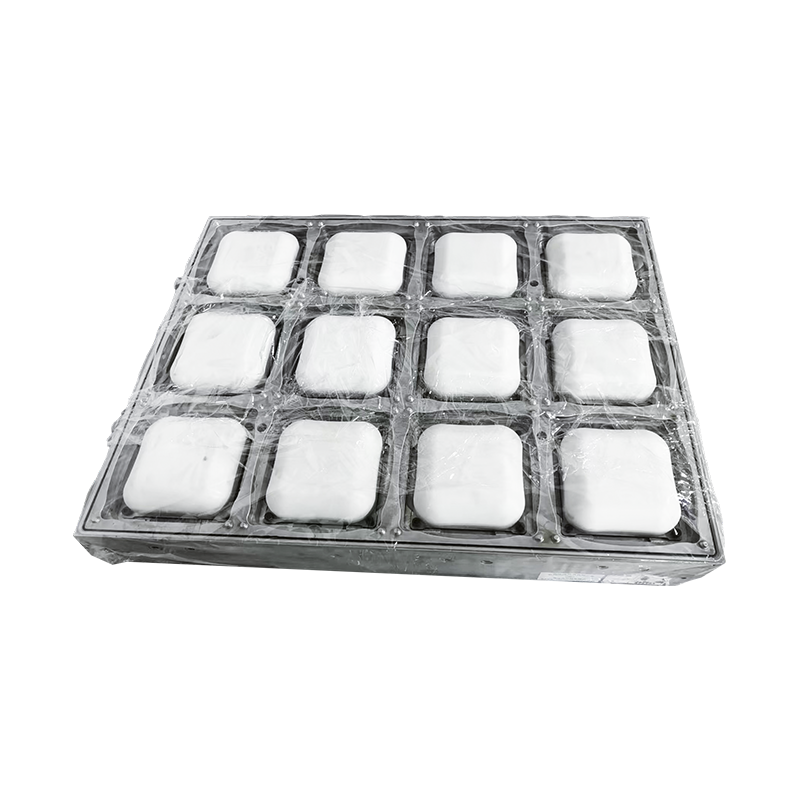
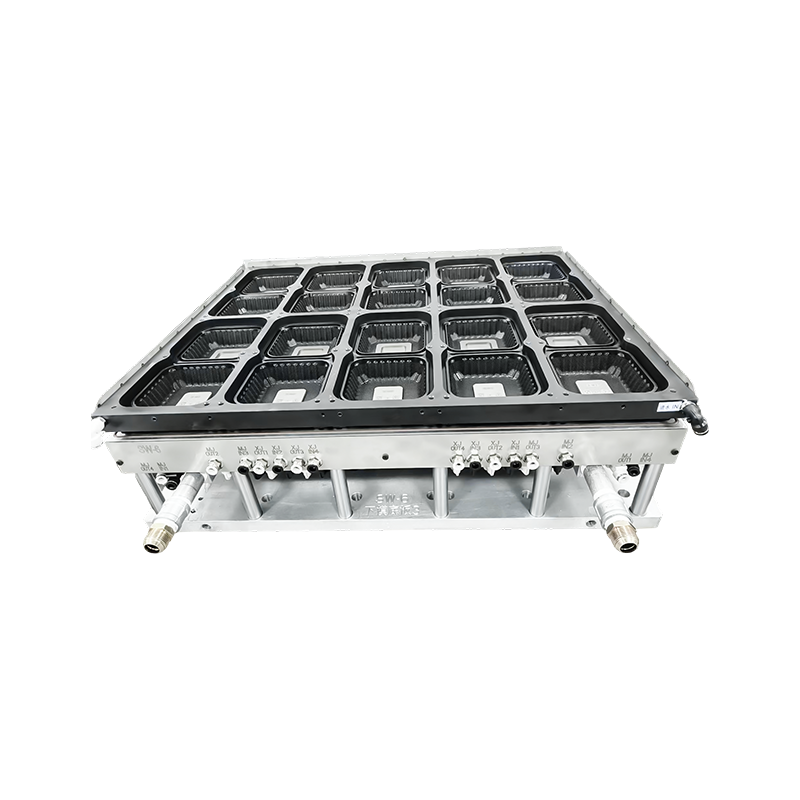
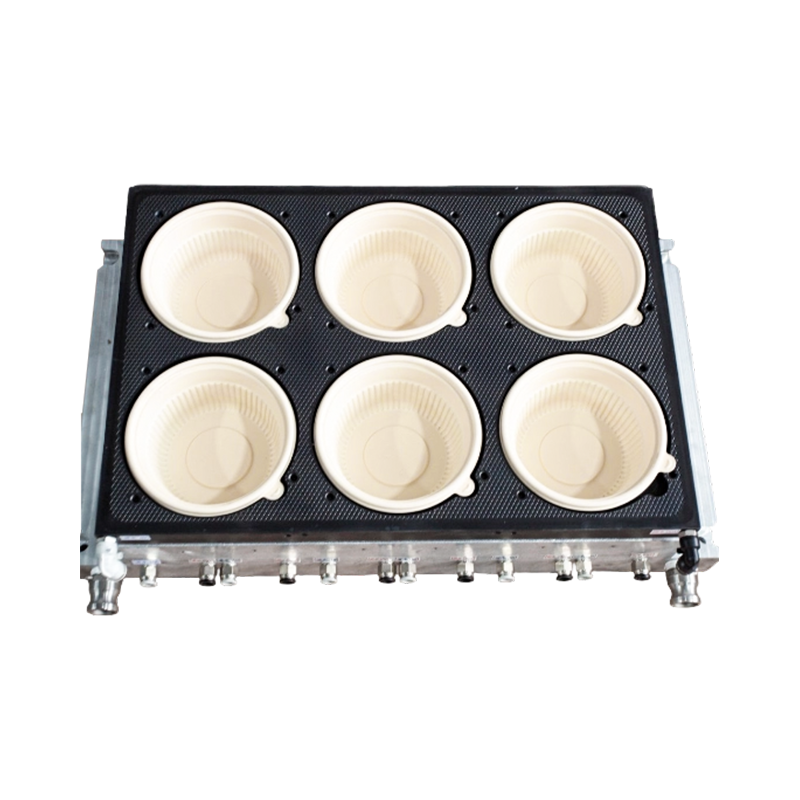
The production of plastic lunch boxes has evolved significantly over the years. Manufacturers now rely on advanced technologies and equipment to ensure higher productivity and cost-effectiveness. One of the most prominent innovations in this field is the Multi-Station Plastic Lunch Box Thermoforming Mold. This technology has revolutionized the production process, optimizing both time and material usage, while maintaining high quality and precision in the final products.
What is a Multi-Station Thermoforming Mold?
A Multi-Station Plastic Lunch Box Thermoforming Mold is a specialized tool used in the thermoforming process, where a sheet of heated plastic is molded into a specific shape using a mold. In multi-station molds, several forms or molds are operated simultaneously or in sequence, enabling the creation of multiple products in a single cycle. This setup enhances productivity, reduces cycle time, and ensures uniformity in production.
Unlike traditional single-station molds, which operate one sheet at a time, multi-station molds allow manufacturers to produce more lunch boxes in less time. The overall production time is reduced, and there is greater flexibility in adjusting the production process.
How Multi-Station Thermoforming Molds Improve Efficiency
-
Increased Production Speed
One of the primary benefits of Multi-Station Plastic Lunch Box Thermoforming Molds is their ability to significantly increase production speed. By using multiple stations, each mold can produce several plastic lunch boxes simultaneously. This leads to a dramatic reduction in overall cycle time. Manufacturers can produce larger batches of plastic lunch boxes in a shorter period, increasing throughput and improving profitability. -
Reduced Labor Costs
With the automation capabilities provided by Multi-Station Plastic Lunch Box Thermoforming Molds, labor costs are reduced. The automated nature of the process allows for fewer human interventions, reducing the need for constant monitoring or manual adjustments during the production run. This not only reduces labor costs but also minimizes the risk of errors caused by human factors. -
Enhanced Material Utilization
The design of Multi-Station Plastic Lunch Box Thermoforming Molds allows for optimal material usage. The plastic sheets are efficiently cut and formed with minimal waste, reducing material costs and improving the sustainability of the production process. The ability to form multiple lunch boxes simultaneously means that material that would otherwise be wasted in a single-station mold setup is utilized more effectively. -
Higher Product Quality and Consistency
Another significant advantage of Multi-Station Plastic Lunch Box Thermoforming Molds is the consistency and quality of the final products. As each mold is typically engineered to meet precise specifications, the products produced are of high uniformity, ensuring that each lunch box meets the desired standards. This consistency helps maintain customer satisfaction and reduces the need for rework or scrap. -
Reduced Downtime
With multi-station molds, manufacturers experience less downtime between production runs. Because multiple molds are operating at once, it reduces the time spent on retooling or resetting the machine between cycles. This improved efficiency leads to fewer interruptions in the production line, increasing overall output. -
Flexibility and Customization
Multi-station molds can be customized to accommodate various shapes and sizes of lunch boxes, providing manufacturers with greater flexibility. This adaptability ensures that manufacturers can meet the varying needs of customers without compromising on efficiency. Whether producing small, medium, or large plastic lunch boxes, Multi-Station Plastic Lunch Box Thermoforming Molds can be adjusted to suit the specific requirements of the product. -
Lower Energy Consumption
By improving the efficiency of each production cycle, Multi-Station Plastic Lunch Box Thermoforming Molds contribute to lower energy consumption. These molds can heat and mold plastic faster, reducing the amount of energy required to complete each cycle. In turn, this leads to cost savings and an environmentally friendly production process.
Key Considerations for Manufacturers Using Multi-Station Thermoforming Molds
While Multi-Station Plastic Lunch Box Thermoforming Molds offer numerous benefits, manufacturers must consider several factors to fully capitalize on their advantages:
- Mold Maintenance: Regular maintenance is essential to ensure that multi-station molds continue to function effectively. This includes cleaning, lubrication, and checking for wear and tear.
- Material Selection: The quality of the raw materials used in the thermoforming process will influence the final product’s durability and finish. Choosing the right plastic materials is crucial.
- Machine Calibration: Proper calibration of the thermoforming machine is essential to ensure that the multi-station mold operates efficiently and produces consistent results.
Table 1: Key Benefits of Multi-Station Thermoforming Molds
| Benefit | Description |
|---|---|
| Increased Production Speed | Simultaneous molding of multiple products, reducing cycle time. |
| Reduced Labor Costs | Automation reduces the need for manual intervention and monitoring. |
| Enhanced Material Utilization | Efficient plastic sheet usage with minimal waste. |
| Higher Product Quality and Consistency | Uniform products with consistent quality. |
| Reduced Downtime | Less time spent on retooling or resetting the machine between cycles. |
| Flexibility and Customization | Ability to adjust molds for various shapes and sizes of lunch boxes. |
| Lower Energy Consumption | Faster heating and molding processes reduce overall energy consumption. |
Table 2: Common Applications of Multi-Station Thermoforming Molds in Lunch Box Production
| Application | Description |
|---|---|
| Standard Lunch Boxes | Produces a variety of common plastic lunch box designs. |
| Custom-Shaped Lunch Boxes | Allows the creation of uniquely shaped lunch boxes tailored to customer needs. |
| Stackable Lunch Boxes | Molds that produce lunch boxes that can be stacked for easier storage and transport. |
| Insulated Lunch Boxes | Designs that include insulated features for temperature regulation. |
Sustainability and Environmental Impact of Multi-Station Thermoforming Molds
The sustainability of plastic manufacturing processes has become an increasingly important consideration for both manufacturers and consumers. Multi-Station Plastic Lunch Box Thermoforming Molds contribute to sustainability by reducing material waste and optimizing energy usage. Additionally, the ability to create multiple products in a single cycle reduces the need for excessive raw material consumption and energy inputs.
In an industry that faces mounting pressure to reduce its environmental footprint, adopting Multi-Station Plastic Lunch Box Thermoforming Molds represents a proactive step toward more sustainable production practices.
Conclusion
In conclusion, Multi-Station Plastic Lunch Box Thermoforming Molds provide a highly efficient and effective solution for manufacturers seeking to improve productivity, reduce costs, and maintain high product quality in plastic lunch box production. These molds streamline the production process, reduce waste, and offer the flexibility to meet diverse consumer needs. As the demand for faster and more efficient production methods continues to grow, multi-station molds are poised to play a critical role in the future of plastic manufacturing.
FAQ
Q1: How do Multi-Station Plastic Lunch Box Thermoforming Molds reduce production time?
A1: Multi-Station molds allow for simultaneous molding of multiple products, which significantly cuts down cycle time. With several molds operating at once, manufacturers can produce more plastic lunch boxes in a shorter period.
Q2: Can Multi-Station Plastic Lunch Box Thermoforming Molds be customized for different shapes and sizes?
A2: Yes, multi-station molds are highly customizable and can accommodate various shapes and sizes of lunch boxes, offering manufacturers flexibility in meeting specific customer demands.
Q3: What materials are best suited for use with Multi-Station Thermoforming Molds?
A3: The most commonly used materials for thermoforming molds are high-quality plastics such as PET, PP, and PS. The choice of material depends on the desired characteristics of the final product, such as durability and flexibility.
Q4: What maintenance is required for Multi-Station Thermoforming Molds?
A4: Regular maintenance is essential for ensuring smooth operation. This includes cleaning, checking for wear and tear, and lubrication of moving parts to prevent breakdowns.
Q5: Are Multi-Station Thermoforming Molds energy-efficient?
A5: Yes, multi-station molds are energy-efficient as they heat and mold plastic faster, reducing overall energy consumption during production.
References
- Smith, J. (2025). Advancements in Thermoforming Technology. Manufacturing Journal.
- Lee, M. (2024). Optimizing Mold Efficiency in Plastic Production. Plastics Engineering Review.
- Williams, T. (2023). Sustainable Practices in Plastic Manufacturing. Green Tech Publications.