

 en
en  English
 Español
 عربى
عربى
When you approve a cup mold design, you are really approving the production floor performance of a whole package. A cup that looks perfect in a CAD render can still come out with thin corners, a sticky rim, or flashing around the lid notch. In cup forming mold manufacturing, the output is judged by three results: cycle stability, dimensional repeatability, and how easy the part releases.
Experienced packaging buyers often say the same thing: the mold is the cheapest place to fix a problem, and the most expensive place to ignore it. Before you compare quotes, understand how the tool is actually made, why certain design parameters matter, and what a supplier must show you to prove they can deliver a reliable mold.
What Cup Forming Mold Manufacturing Actually Involves
The process starts long before aluminum is cut. A cup mold is designed around the forming window of a specific resin. The designer assigns a shrinkage allowance, maps the distance the sheet must travel, and identifies where thinning will happen. Only then does machining begin.
- Design review - engineers check wall thickness, stretch ratio, and trim allowances before any cutting begins.
- CNC roughing - large amounts of aluminum are removed to form the cavity and core blocks.
- CNC finishing and electrode work - fine scallops on the surface are minimized, and sharp corners are either opened or reinforced depending on the material.
- Hand polishing and texturing - mold surfaces are polished to the specified Ra value, usually 0.8 µm or finer for cup interiors, so the finished plastic can release easily.
- Vent and cooling integration - vent holes are placed at known air pocket locations, and cooling channels are drilled or machined to remove heat evenly.
- Trial forming - a sample run is made on a thermoforming former. Cavity depth, material distribution, and cycle time are validated before delivery.
Different packaging applications require different forming modes. Negative pressure (vacuum) forming is common for thin-wall cups; positive pressure (compressed air) forming is favored for sharper detail and thicker rims; and combined pressure-and-vacuum (positive-negative) forming is used for tall cups and lids with complex geometries. A manufacturer that can produce tooling for all three modes is better positioned to troubleshoot the forming process with you.
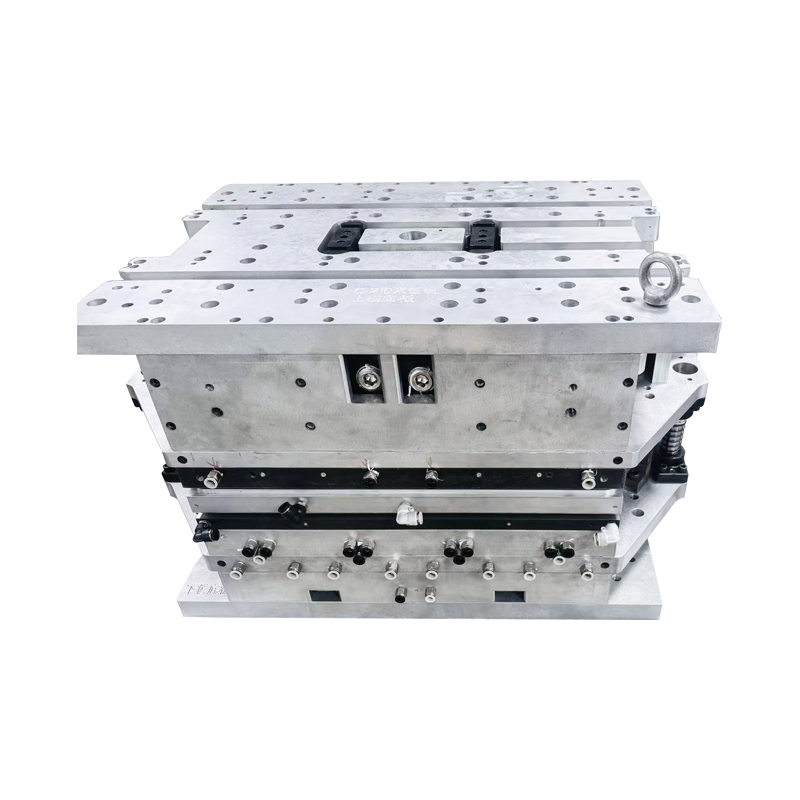
For high-volume producers, the tool must also be easy to clean and inspect. Our milk tea cup thermoforming mold, for example, is built for fast changeover between single-serve tea cup formats.
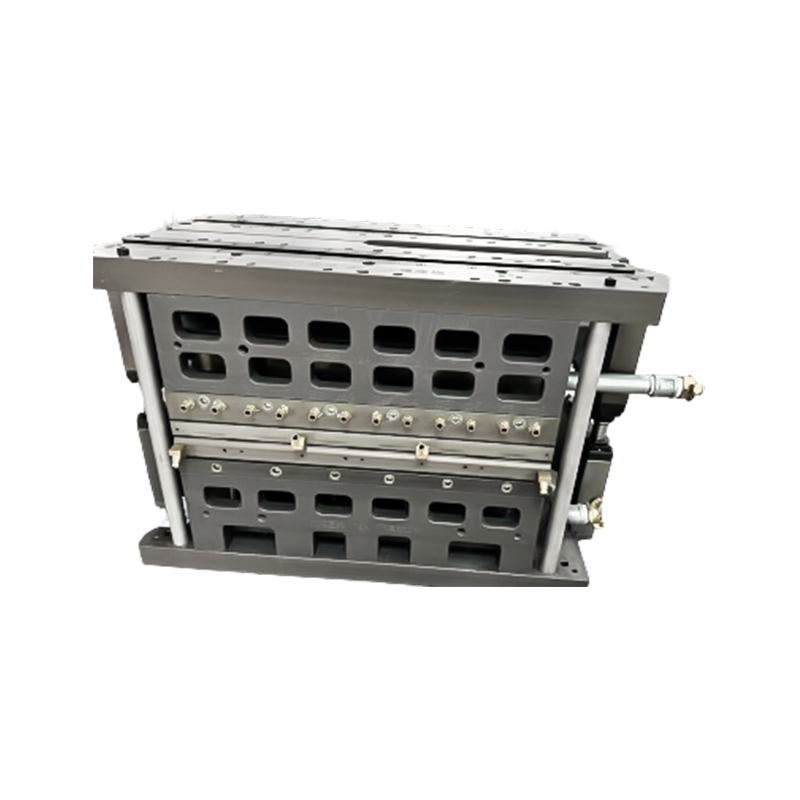 Aluminum Thermoforming Mold for Milk Tea CupsThis mold is engineered for high-volume milk tea cup production, featuring CNC-machined cavities, efficient cooling channels, and compatibility with PET, PP, and PS sheets to support fast changeover and automated lines.View Product →
The choice of aluminum matters as well. High-strength alloys such as 6061 or 7075 are typical for cup tools because they resist wear during long production runs while remaining light enough to handle. Some makers use porous aluminum for venting; however, it needs regular cleaning and can retain residue. The safest route is a dense, polished cavity with drilled micro-vents that are easy to maintain.
Critical Design Factors in Cup Mold Production
Five design factors repeatedly decide whether a cup mold makes money or makes scrap.
- Draft angle - Polypropylene cups with deep profiles are usually drafted at 1 degree to 3 degrees. Lids require less draft on the internal ring but more on the hinge area.
- Shrinkage allowance - The mold cavity is made larger than the finished cup by the material's shrinkage percentage. A PET cup and a PP cup of the same volume cannot share a mold without adding or removing material.
- Wall thickness distribution - The sheet must be distributed evenly. Thin corners are a classic symptom of poor plug design.
- Rim and curl shape - The curl at the drinking edge is the highest-risk feature. It is typically formed with a retractable ring or a movable insert, and the mold manufacturer must ensure that mechanism does not wear too quickly.
- Cooling circuit layout - Cup molds are usually water-cooled. Cooling channels should keep the mold surface between 18°C and 25°C for PET forming. If the mold runs hot, cycle time stretches.
Shrinkage values are not guesses. These are typical starting allowances used in cup forming mold manufacturing. Your material supplier's technical data sheet should confirm the final value.
Clarity and barrier sheet; low shrinkage.
Cup sheet; needs generous draft.
Rigid packaging; venting sensitive.
Before ordering, review the exact rim and sealing geometry on similar tools. Our cup lid thermoforming mold product line shows how different curl and vent configurations are handled at a production level.
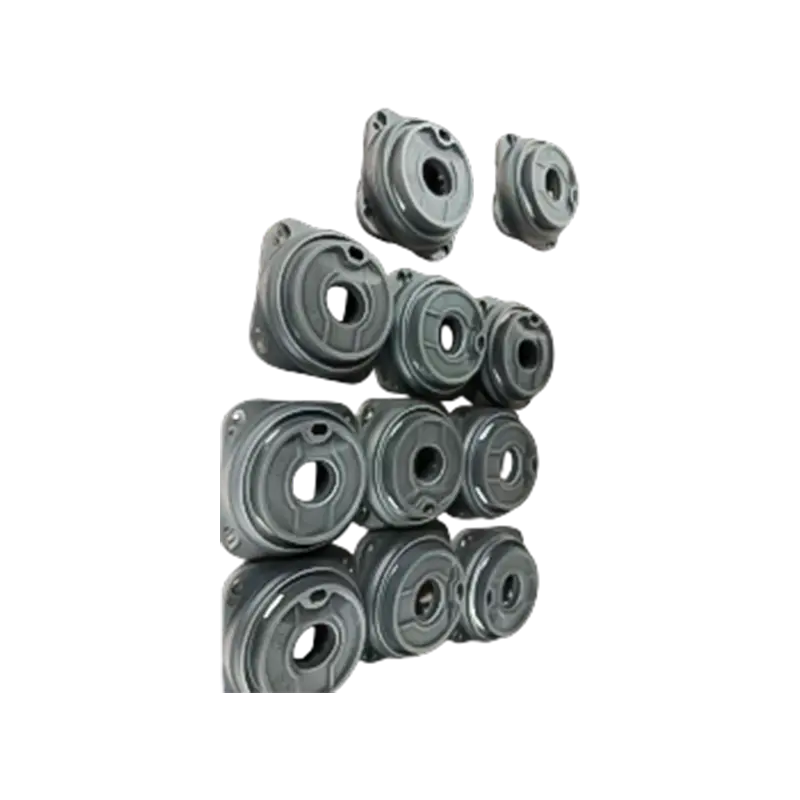
Anti-splash rims, flip-hinges, and straw slots make lid molds more demanding than cup bodies. One example of a production lid tool is the coke cup lid mold supplied for high-speed packaging lines.
 Precision Thermoforming Mold for Carbonated Drink Cup LidsDesigned for high-speed lid production, this mold offers tight dimensional control for reliable sealing, multi-cavity options, and efficient heating and cooling to maintain consistent quality on cola and soda cup lids.View Product →
Lid molds deserve special attention because the sealing ring and flip-hinge regions demand tighter tolerances than the main cup body. A small variation of 0.05 mm can turn an easy-open vent into a leak point.
Common Cup Mold Defects and How the Manufacturing Process Prevents Them
Most defects show up in the first trial run, which is a good thing if the mold maker has a try-out machine. If the tool is shipped without trial, the same defects appear on your production line.
- Flashing Thin excess material appears where shut-off faces meet or where venting is unbalanced. The mold must be aligned on a press, and shut-off area must be ground to a uniform land.
- Thin corners When the sheet cools before reaching the bottom cavity, the corner becomes weak. More venting, a deeper plug, or faster vacuum can help.
- Sticking A cup that sticks to the mold cannot demold cleanly. Check draft angle, surface finish, and cooling temperature.
- Surface scratches Air trapped between sheet and mold can produce micro-scratches on polished surfaces. Vacuum hole placement should prevent air pockets, especially around the logo area.
Cup lid defects deserve special attention because the flash line directly affects drinking comfort. If you are working with complex lid geometry, the causes and countermeasures are described in detail in our article on flashing issues in plastic cup lid molding.
What to Look for in a Cup Forming Mold Manufacturer
Once you understand the technical requirements, the next step is separating a genuine manufacturing partner from a broker. Use these questions as a short supplier audit.
- Can they run test parts on their own former? A mold that is never tried is a prototype, not a production tool.
- Do they have enough CNC capacity for simultaneous cavity and core work? This shortens lead time and avoids rushed finishing.
- Can their design team suggest material-specific changes before cutting? This prevents avoidable revisions.
- Will they provide a trial report? Insist on measured wall thicknesses, photos of sample parts, and cycle time data.
Our own manufacturing setup follows this logic. In Suzhou, we operate 18 CNC machines for mold machining, two three-station thermoforming formers for tool trials, and one dedicated sampling former for material tests. Design is handled by eight engineers who work alongside the machining team. That integration is why we can correct a venting problem in hours instead of sending the mold back to a third party.
Of course, cups are only one part of the thermoforming packaging world. If your product range includes food boxes or lidded containers, the same engineering review applies to the bottom perimeter and closure tabs.
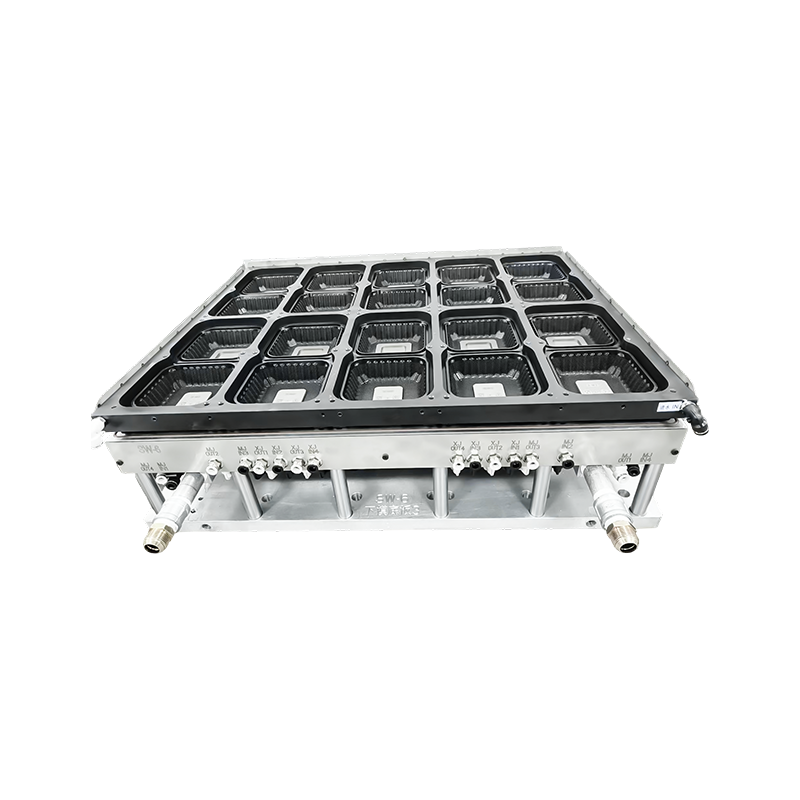 Round Lidded Packaging Box Thermoforming MoldThis mold produces round one-piece food boxes with lids, using precision machining and adjustable venting to ensure flat bottoms, smooth walls, and consistent sealing for takeout and dessert packaging.View Product →
A round lidded box mold, for instance, has a different cooling layout than a cup mold. The bottom surface must stay flat, and the side wall needs uniform venting to avoid sink marks.
The Bottom Line for Cup Mold Buyers
Cup forming mold manufacturing is judged by what happens after the mold is installed, not by the gloss of the sales brochure. A well-built mold will run thousands of cycles, release cleanly, hold its dimensions, and survive normal maintenance. Ask to see the manufacturing process, question the design logic, and check the trial equipment. The right supplier will welcome that scrutiny, because it is the same scrutiny they apply to their own work.
Start with a part review, not a price quote, and let the mold maker prove how they would convert your cup design into a reliable tool.