How do Thermoforming Molds differ from injection molding molds?
Introduction to forming technologies and mold concepts
Thermoforming and injection molding are two fundamentally different plastic forming technologies, and the molds used in these processes reflect those differences in a direct and practical way. Understanding how thermoforming molds differ from injection molding molds requires not only a comparison of equipment structures, but also an examination of forming principles, material behavior, tooling design logic, and production objectives. In thermoforming, a heated plastic sheet is shaped over or into a mold using pressure, vacuum, or a combination of both. In contrast, injection molding relies on molten plastic being injected under high pressure into a closed mold cavity. These differences define the functional role of positive and negative pressure thermoforming mold, blister packaging mold, thermoforming molds in modern manufacturing.
Thermoforming molds are often associated with flexibility, lower tooling investment, and shorter development cycles. They are widely applied in packaging, especially for blister packaging, trays, and thin wall products. Injection molding molds, by contrast, are designed for high precision, complex geometries, and large scale production of solid plastic parts. The distinction between these mold types becomes especially important when manufacturers must balance cost control, design iteration speed, and production efficiency.
Fundamental process differences between thermoforming and injection molding
The most significant distinction lies in how plastic material is shaped. Thermoforming molds operate on pre extruded plastic sheets that are reheated to a forming temperature. The sheet is then drawn onto the mold surface by vacuum or forced into shape by air pressure. In many industrial applications, positive and negative pressure thermoforming mold, blister packaging mold, thermoforming molds are designed to support both pressure forming and vacuum forming, allowing manufacturers to adapt to different product requirements without completely redesigning the tooling.
Injection molding molds, on the other hand, must withstand repeated cycles of molten plastic injection at high pressure and temperature. This requires thicker mold bases, complex runner systems, cooling channels, and precise sealing surfaces. Thermoforming molds do not require internal runners or gates, as the material distribution is controlled by sheet thickness and forming conditions rather than flow paths. This leads to a simpler structural design, reduced machining complexity, and faster mold manufacturing timelines.
From a production standpoint, thermoforming allows for easier thickness variation and faster changeovers, while injection molding prioritizes dimensional accuracy and repeatability. These fundamental process differences directly influence mold materials, design tolerances, and maintenance strategies.
Structural design characteristics of thermoforming molds
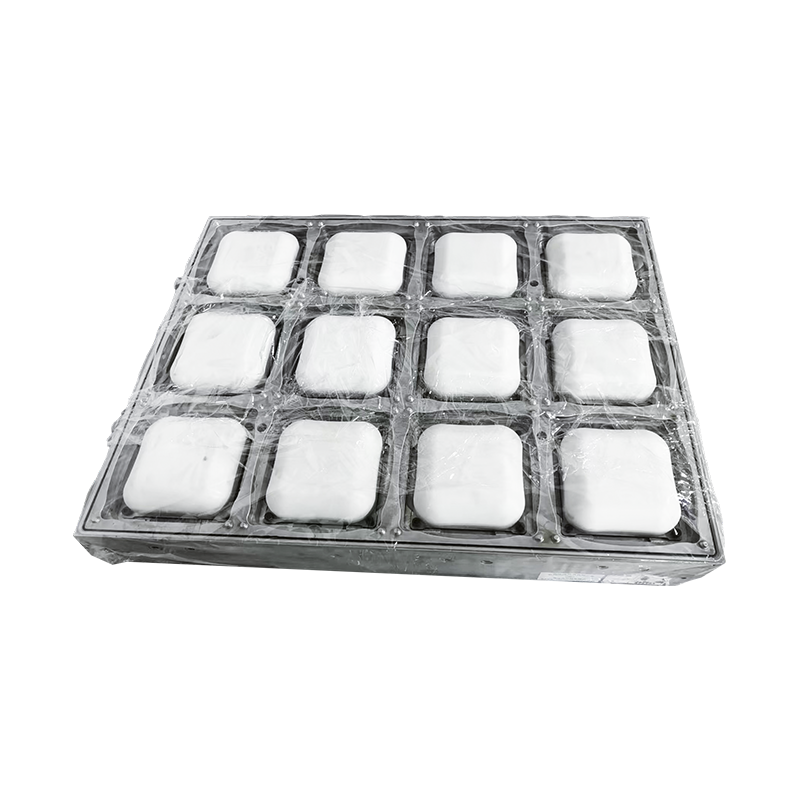
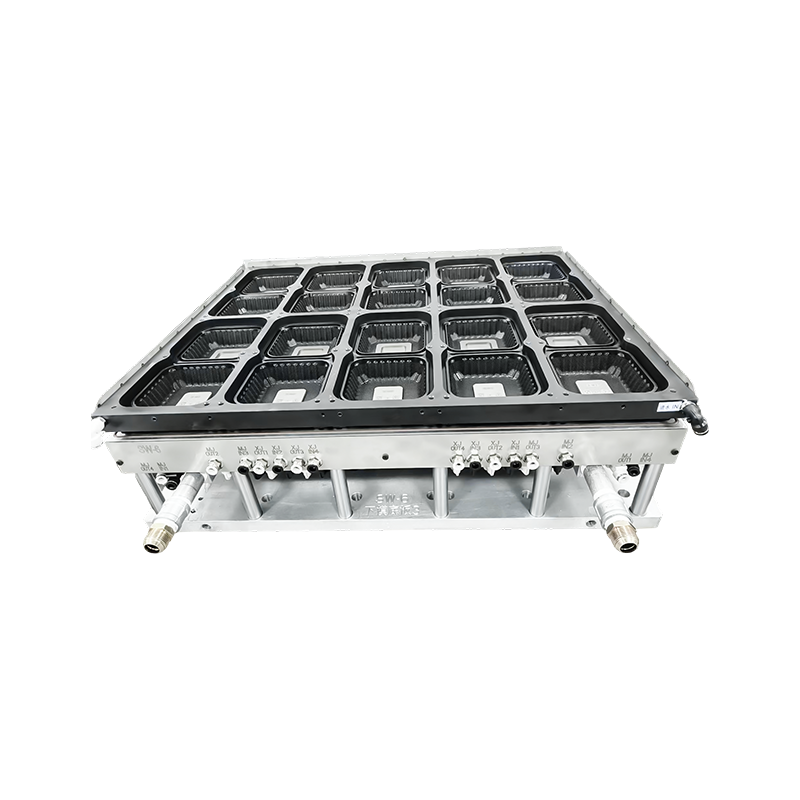
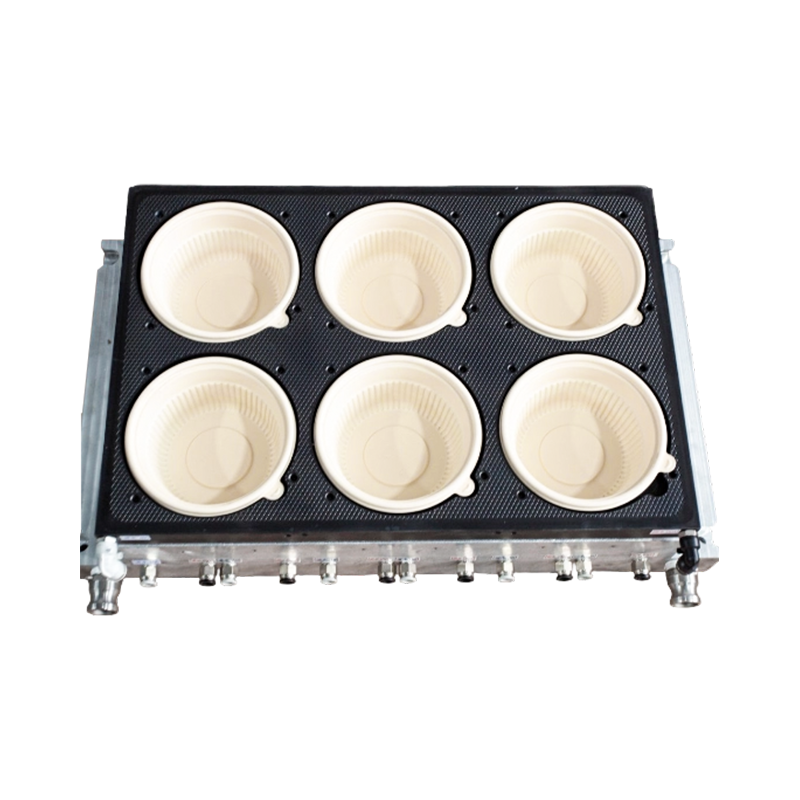
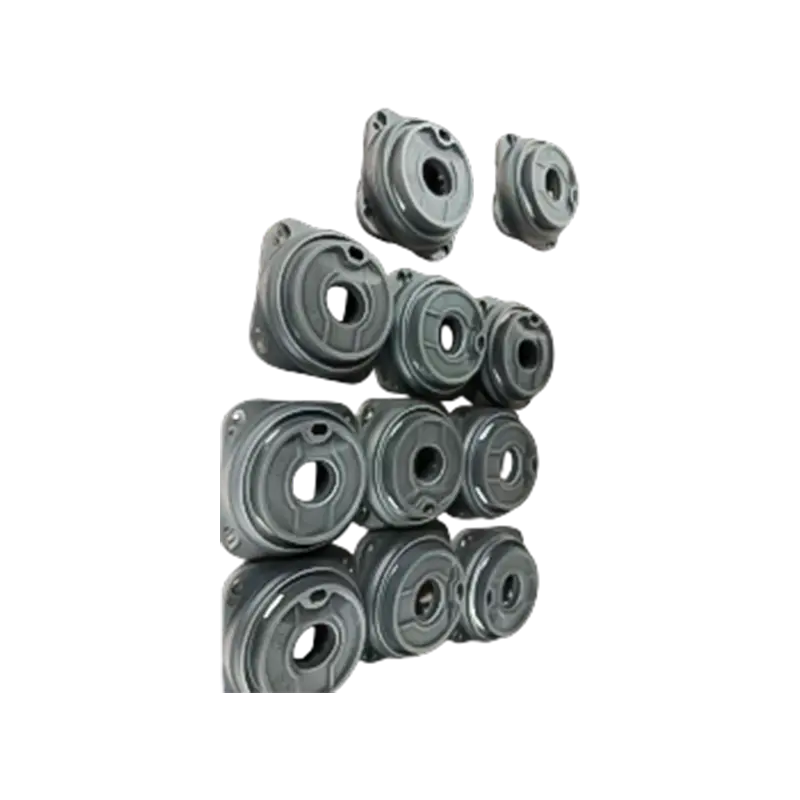
Thermoforming molds are typically open molds, meaning one primary mold surface defines the product shape. Depending on the forming method, molds may be male or female. Male molds shape the inside of the product, while female molds define the exterior surface. This flexibility allows positive and negative pressure thermoforming mold, blister packaging mold, thermoforming molds to be adapted to a wide range of product designs, especially in blister packaging applications where visual appearance and release performance are critical.
Because thermoforming molds do not need to resist extreme injection pressures, they are often manufactured from aluminum alloys. Aluminum provides good thermal conductivity, which supports faster cooling and shorter cycle times. Surface treatments are applied to improve wear resistance and product release performance, but the overall structure remains lighter than that of injection molding molds.
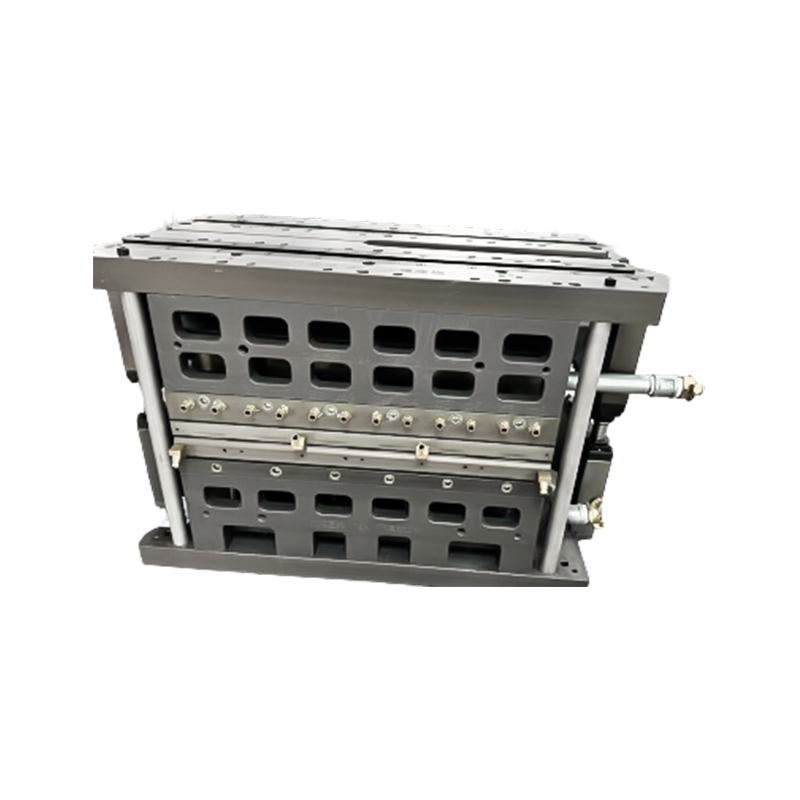
Injection molding molds require a closed cavity system with precise alignment between core and cavity. The structural design must accommodate clamping forces, injection pressure, and repeated thermal cycling. This results in heavier mold assemblies, more complex internal features, and higher requirements for machining accuracy. By comparison, thermoforming molds prioritize airflow management, venting efficiency, and surface finish consistency.
Material behavior and its impact on mold design
Material behavior during forming has a direct influence on mold design. In thermoforming, plastic sheets soften gradually and stretch over the mold surface. Thickness distribution is influenced by draw ratio, forming speed, and mold geometry. Therefore, positive and negative pressure thermoforming mold, blister packaging mold, thermoforming molds must be designed with careful attention to draft angles, corner radii, and vent placement to ensure uniform forming and easy demolding.
Injection molding materials behave differently. Molten plastic fills the cavity under pressure and solidifies rapidly upon cooling. Mold design must consider flow balance, shrinkage control, and cooling uniformity. These requirements introduce additional design complexity that is not present in thermoforming molds.
Thermoforming molds allow for more forgiving material behavior, especially in prototyping and short run production. This makes them particularly suitable for industries that require frequent design updates or customized packaging solutions.
Application scope and industry usage
Thermoforming molds are widely used in industries where lightweight, thin wall, and cost efficient products are required. Blister packaging for food, pharmaceuticals, electronics, and consumer goods relies heavily on positive and negative pressure thermoforming mold, blister packaging mold, thermoforming molds because of their ability to produce clear, detailed, and visually consistent packaging.
Injection molding molds are more common in applications requiring complex internal features, thick wall structures, or high mechanical strength. While both technologies coexist across industries, thermoforming dominates packaging and disposable product segments, whereas injection molding is favored for durable components.
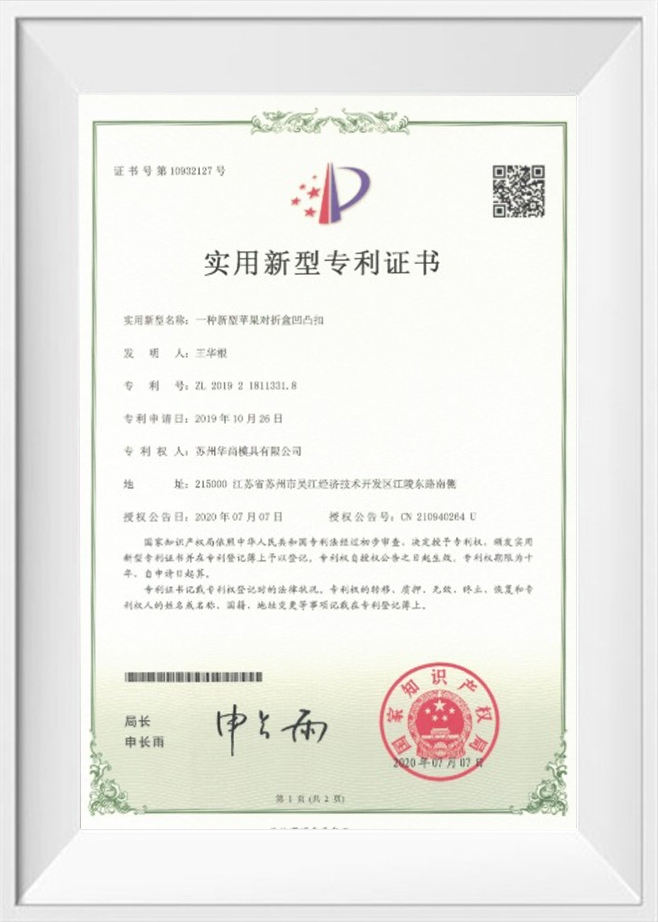
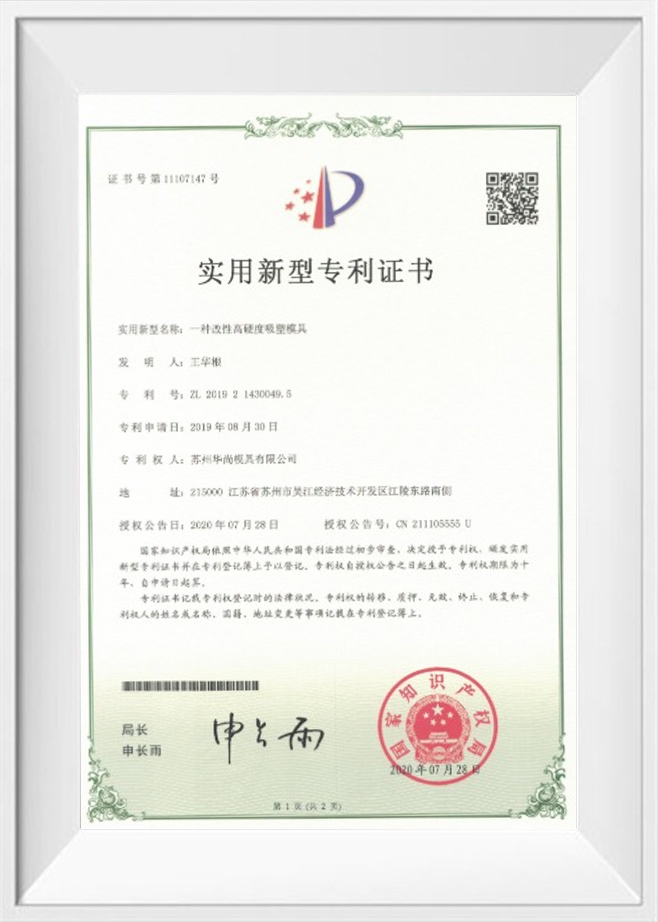
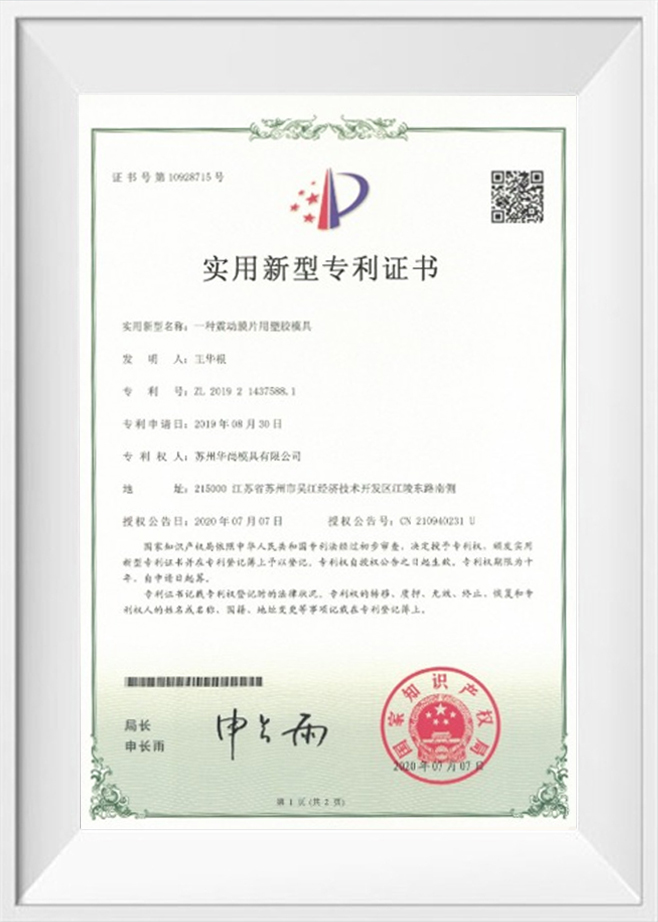
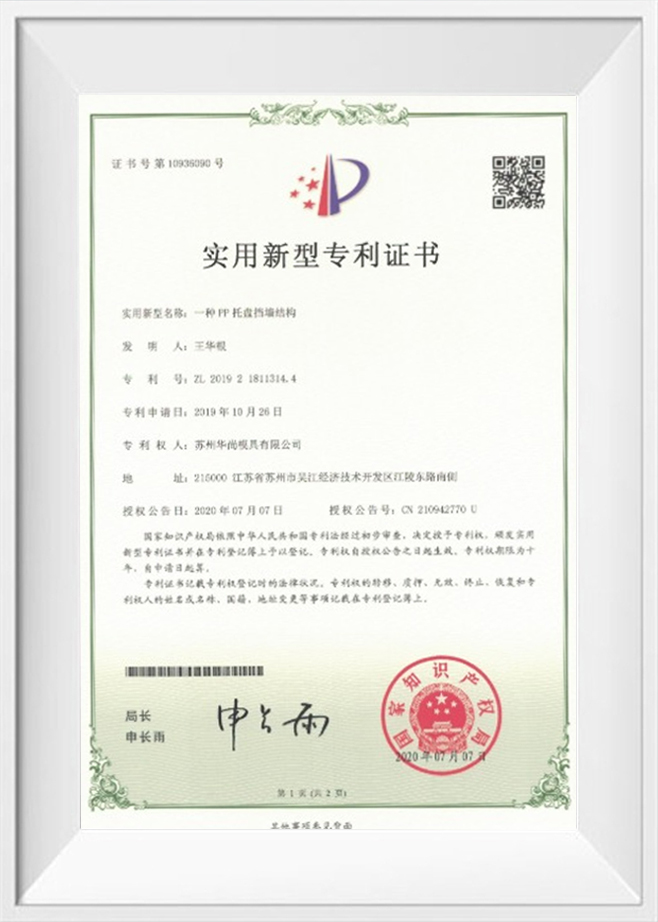
Suzhou Huashang Mould Co., Ltd. has built extensive experience in this application space by focusing on blister mold processing and thermoforming production optimization. Through integrated design and manufacturing capabilities, the company supports a wide range of industrial packaging requirements without relying on excessive tooling complexity.
Cost structure and development cycle comparison
One of the most practical differences between thermoforming molds and injection molding molds lies in cost structure. Thermoforming molds generally require lower initial investment due to simpler design and machining processes. This makes positive and negative pressure thermoforming mold, blister packaging mold, thermoforming molds attractive for new product launches and market testing.
Injection molding molds involve higher upfront costs because of complex cavity design, hardened steel materials, and precision machining. However, they offer lower per unit cost at very high production volumes. Thermoforming molds, by contrast, provide a balanced approach where tooling cost savings and flexible production compensate for slightly higher material usage in some cases.
Suzhou Huashang Mould Co., Ltd. emphasizes cost control through strict supplier screening, material inspection, and efficient production management. This approach aligns well with the economic characteristics of thermoforming mold manufacturing, where consistent quality and stable supply are essential.
Maintenance, lifespan, and operational considerations
Maintenance requirements differ significantly between the two mold types. Thermoforming molds experience less mechanical stress, which contributes to longer service intervals and simpler maintenance procedures. Regular cleaning, vent inspection, and surface treatment renewal are typically sufficient to maintain performance. Positive and negative pressure thermoforming mold, blister packaging mold, thermoforming molds benefit from this lower maintenance burden, especially in high changeover environments.
Injection molding molds require frequent inspection of runners, gates, cooling channels, and sealing surfaces. Wear and damage can directly affect part quality, making preventive maintenance more complex and time consuming.
Suzhou Huashang Mould Co., Ltd. supports long term mold performance through dedicated technical teams and continuous after sales service. This operational philosophy reflects the importance of maintenance planning in thermoforming mold applications.
Comparative overview table
| Aspect |
Thermoforming molds |
Injection molding molds |
| Forming method |
Heated sheet shaped by vacuum or pressure |
Molten plastic injected into closed cavity |
| Mold structure |
Open mold, simpler design |
Closed mold, complex cavity system |
| Tooling cost |
Lower initial investment |
Higher initial investment |
| Production flexibility |
High, suitable for design changes |
Low, optimized for mass production |
| Typical applications |
Blister packaging, trays, thin wall products |
Precision parts, thick wall components |
Design flexibility and customization potential
Thermoforming molds offer a high degree of customization potential, especially in packaging design. Adjustments to cavity depth, edge geometry, and venting can often be implemented without redesigning the entire mold. This flexibility is one of the reasons positive and negative pressure thermoforming mold, blister packaging mold, thermoforming molds remain central to packaging innovation.
Injection molding molds are less adaptable once finalized. Design changes often require significant re machining or complete mold replacement. For industries where product appearance and packaging dimensions evolve frequently, thermoforming molds provide a practical advantage.
Suzhou Huashang Mould Co., Ltd. integrates design and manufacturing to respond quickly to customization needs. By maintaining in house CNC machining and forming equipment, the company ensures that design changes can be validated efficiently without compromising production schedules.
Role of quality control and supplier management
Quality control plays a critical role in both mold types, but the focus areas differ. Thermoforming molds require consistent surface finish, accurate venting, and reliable forming geometry. Variations can lead to uneven thickness or release issues. Positive and negative pressure thermoforming mold, blister packaging mold, thermoforming molds benefit from strict material inspection and controlled machining processes.
Injection molding molds demand precise dimensional accuracy and thermal management. Any deviation can result in defects that are difficult to correct during production.
Suzhou Huashang Mould Co., Ltd. applies systematic supplier auditing and incoming material testing to ensure stable mold quality. This disciplined approach supports long term production reliability and aligns with the technical requirements of thermoforming mold applications.
Future development trends in thermoforming molds
As packaging regulations and sustainability considerations evolve, thermoforming molds are adapting to new materials and thinner sheet designs. Improved venting strategies, optimized cooling layouts, and enhanced surface treatments are extending mold performance while supporting material reduction. Positive and negative pressure thermoforming mold, blister packaging mold, thermoforming molds are increasingly designed to handle biodegradable and recyclable plastics without sacrificing forming quality.
Injection molding molds are also evolving, but the capital intensive nature of the technology makes rapid adaptation more challenging. Thermoforming molds, with their lower tooling barriers, are well positioned to support innovation in packaging and lightweight product segments.
Frequently asked questions
What is the main advantage of thermoforming molds compared to injection molding molds?
Thermoforming molds offer lower tooling cost, faster development cycles, and greater flexibility for design changes, making them suitable for packaging and short to medium production runs.
Are thermoforming molds suitable for high volume production?
Yes, thermoforming molds can support high volume production, particularly in packaging applications, although they are typically chosen for their flexibility rather than extreme precision.
How do positive and negative pressure forming methods affect mold design?
Pressure and vacuum forming influence vent placement, mold geometry, and surface finish requirements. Molds designed for both methods offer greater application flexibility.
What industries commonly use blister packaging molds?
Food, pharmaceutical, electronics, cosmetics, and consumer goods industries widely use blister packaging molds due to their efficiency and visual presentation advantages.
How long do thermoforming molds typically last?
With proper maintenance and quality materials, thermoforming molds can provide stable performance over extended production periods, especially when mechanical stress is limited.
Can thermoforming molds be modified after production begins?
Yes, compared to injection molding molds, thermoforming molds are easier to modify, which supports ongoing product optimization and customization.



 en
en  English
 Español
 عربى
عربى