Thermoforming Cup Lid Mold: Manufacturing Principles, Design Considerations, and Industry Applications
Thermoforming cup lid molds play a critical role in the production of disposable plastic cup lids used across food service, beverage packaging, and consumer goods industries. As market demand increases for consistent lid fit, reliable sealing performance, and stable high-speed output, mold design and manufacturing quality become key factors influencing production efficiency.
This article outlines the basic working principles of thermoforming cup lid molds, core design considerations, and practical points buyers should evaluate when selecting molds for long-term production.
What Is a Thermoforming Cup Lid Mold?
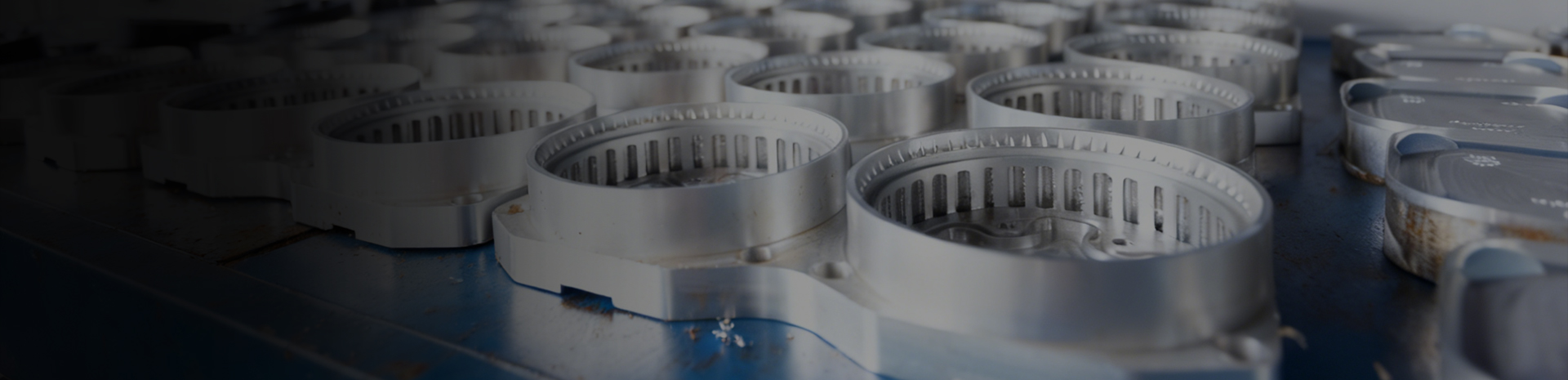
A thermoforming cup lid mold is a precision tool used to shape heated plastic sheets into finished cup lids through vacuum forming, pressure forming, or combined forming processes. During production, the plastic sheet is heated to a forming temperature, shaped inside the mold cavity, cooled, and then trimmed to achieve the final lid geometry.
Thermoforming cup lid molds are commonly used for:
- Coffee cup lids
- Cold beverage cup lids
- Flat and dome-shaped lids
- Lids with sipping holes or straw openings
Common Mold Types for Cup Lid Production
Different thermoforming machines and production volumes require different mold structures. Typical thermoforming cup lid mold types include:
| Mold Type |
Forming Method |
Typical Application |
| Positive Pressure Thermoforming Mold |
Pressure forming |
High-detail lids with precise rim and surface features |
| Negative Pressure Thermoforming Mold |
Vacuum forming |
Standard disposable cup lids for mass production |
| High-Speed Machine Mold |
Vacuum and pressure forming |
Automated, high-output production lines |
| Single-Head Machine Mold |
Vacuum forming |
Small to medium batch production |
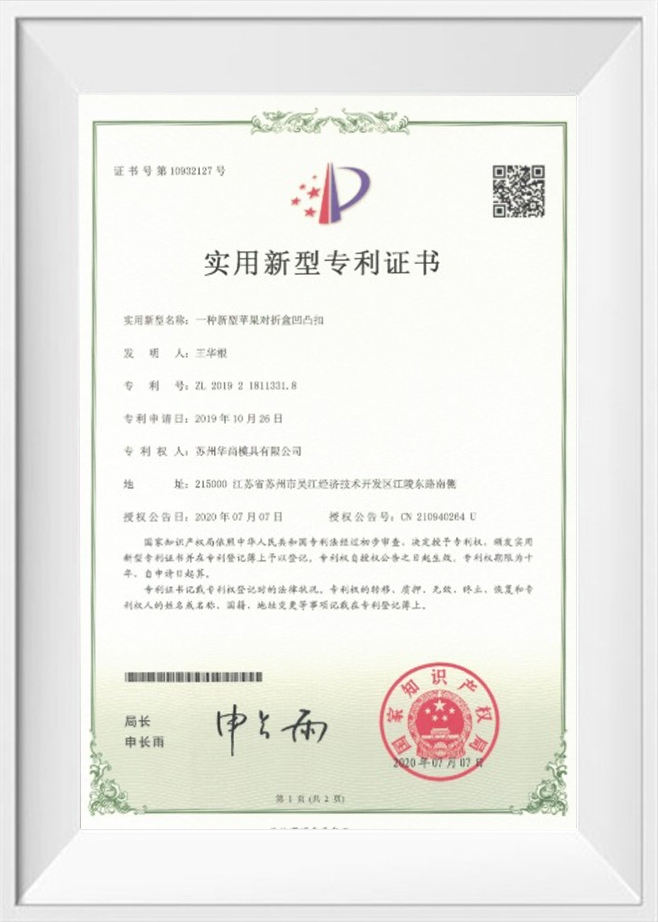
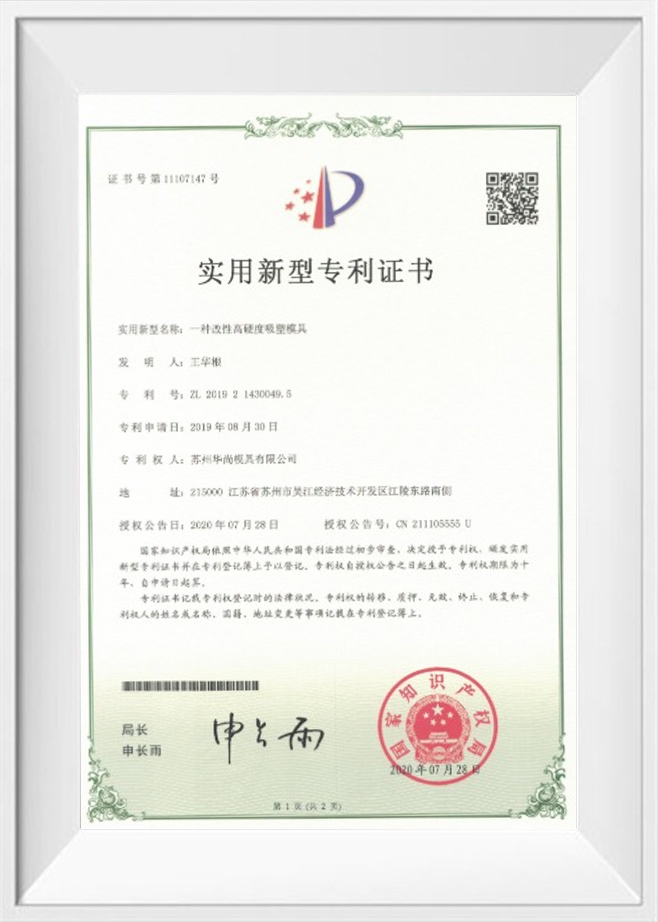
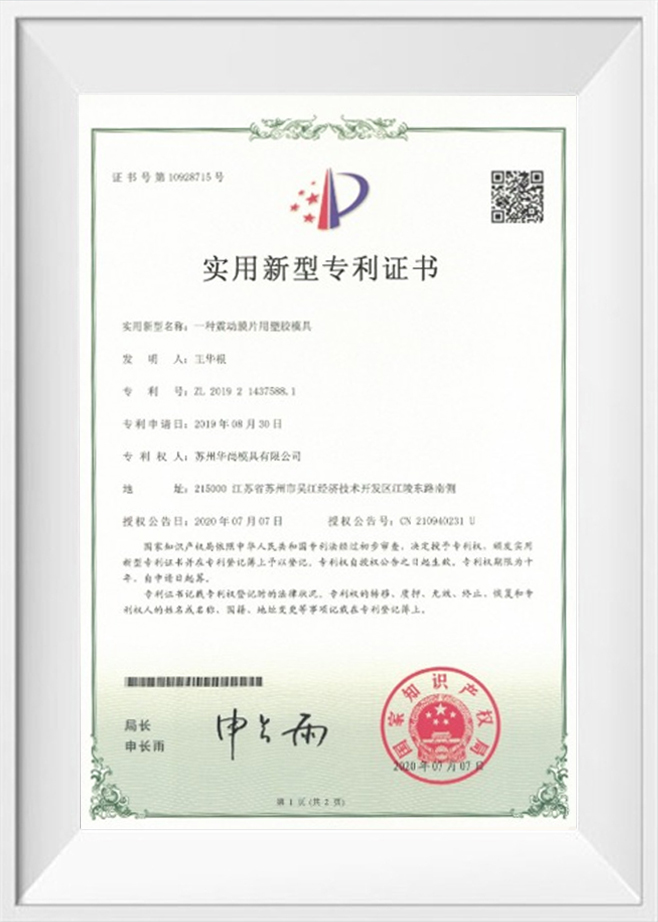
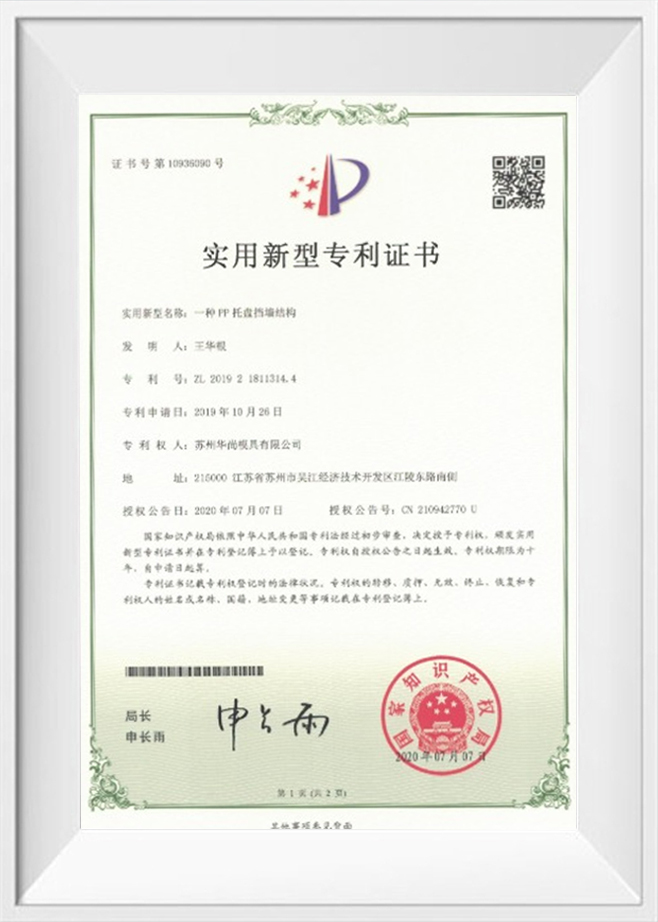
Suzhou Huashang Mould Co., Ltd. has experience in both positive and negative pressure thermoforming mold design, allowing molds to be adapted to different machine structures and production requirements.
Plastic Materials Commonly Used for Cup Lids
The choice of plastic material directly affects mold structure, cooling design, and forming stability. Common materials include:
| Material |
Key Characteristics |
Mold Design Considerations |
| PET |
High transparency, good rigidity |
Smooth cavity finish and stable cooling control |
| PS |
Easy forming, cost-efficient |
Uniform wall thickness control |
| PP |
Heat resistance, flexibility |
Enhanced cooling channel layout |
| PLA |
Compostable, environmentally oriented |
Accurate temperature and forming pressure control |
Key Design Factors Affecting Mold Performance
A well-designed thermoforming cup lid mold contributes directly to stable production and reduced scrap rates. Key design factors include:
- Accurate cavity dimensions to ensure consistent lid sealing
- Efficient cooling systems to shorten forming cycles
- Proper vent hole distribution to avoid incomplete forming
- Appropriate aluminum alloy selection for heat transfer efficiency
- Modular structures that simplify maintenance and part replacement
Manufacturers with multi-industry application experience often optimize mold designs based on real production feedback rather than theoretical parameters.
Industry Applications of Thermoforming Cup Lid Molds
Thermoforming cup lid molds are used across a wide range of industries, including:
- Food and beverage packaging
- Pharmaceutical blister packaging
- Cosmetic and personal care packaging
- Consumer electronics packaging
- Industrial and hardware protective packaging
This broad application scope allows mold designs to evolve with higher standards for dimensional accuracy and production stability.
Frequently Asked Questions
How long is the service life of a thermoforming cup lid mold?
With proper operation and routine maintenance, aluminum thermoforming cup lid molds can support millions of forming cycles. Actual service life depends on production speed, material type, and cleaning practices.
Can one mold be used for different cup lid sizes?
Each cup lid size typically requires a dedicated cavity design to ensure accurate fit and sealing. Multi-cavity molds can be customized based on specific production requirements.
What factors influence forming speed?
Cooling efficiency, vent design, plastic material behavior, and machine compatibility all affect the forming cycle time.
Are thermoforming cup lid molds suitable for export-oriented production lines?
Yes. Molds designed for large-scale positive and negative pressure thermoforming machines are widely used in international production environments.
Considerations When Choosing a Thermoforming Cup Lid Mold Supplier
When selecting a thermoforming cup lid mold supplier, buyers typically evaluate:
- Experience with both domestic and export production standards
- Capability to support high-speed and large-format thermoforming machines
- Understanding of food-grade packaging requirements
- Engineering support for mold customization and optimization
Suzhou Huashang Mould Co., Ltd. combines thermoforming mold design experience across multiple industries, providing mold solutions that align with actual production conditions and long-term operational stability.



 en
en  English
 Español
 عربى
عربى