How are Food Packaging Vacuum Forming Molds different from thermoforming molds?
Understanding the background of forming molds in food packaging
In the modern food packaging industry, forming molds are essential industrial tools that directly influence packaging quality, production efficiency, and compliance with food safety standards. Among the most commonly discussed tooling solutions are aluminum thermoforming mold, food packaging vacuum forming molds, vacuum forming packaging mold, which are frequently mentioned together but are not identical in function or application focus. Understanding the differences between these mold types requires a clear examination of their forming principles, structural design, and suitability for specific food packaging products.
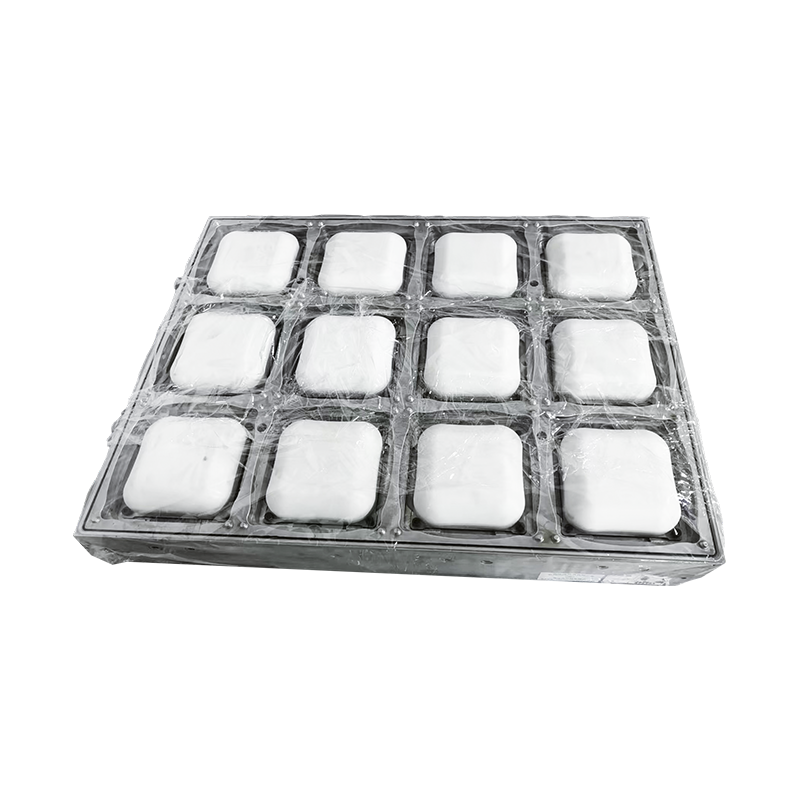
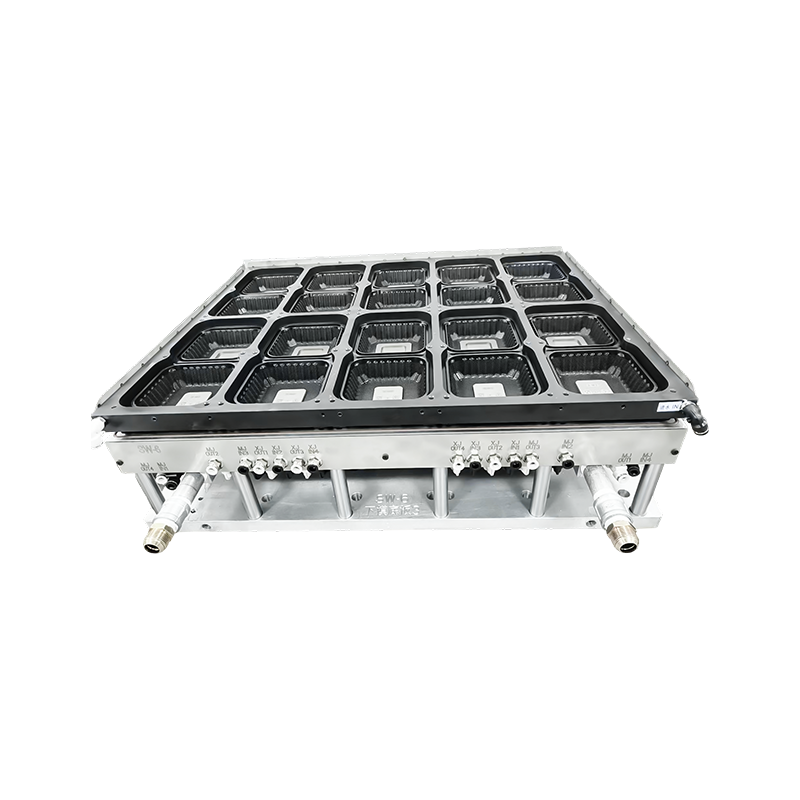
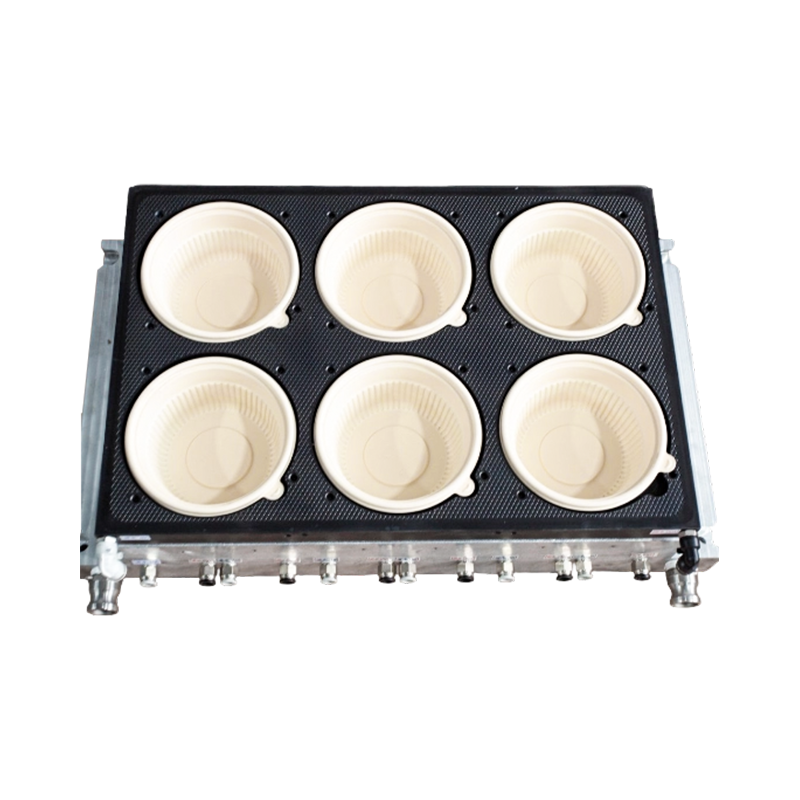
Based on the provided technical background, lunch box thermoforming molds are high precision industrial molds designed to manufacture a wide range of food containers. These molds operate by heating plastic sheets until they soften and then shaping them into predefined structures through controlled forming processes. The resulting products include single compartment lunch boxes, multi compartment trays, and integrated upper and lower lid combinations. In contrast, vacuum forming molds emphasize vacuum pressure as the primary shaping force, making them particularly suitable for thin wall and lightweight food packaging.
Core forming principles and process differences
The fundamental difference between vacuum forming molds and thermoforming molds lies in the way plastic sheets are shaped after heating. Thermoforming is a broader category that includes multiple forming methods, such as vacuum forming and pressure forming. In industrial practice, an aluminum thermoforming mold may be designed to support vacuum, pressure, or combined forming methods depending on product complexity and performance requirements.
Food packaging vacuum forming molds rely primarily on vacuum pressure. After the plastic sheet is heated to a softened state, vacuum is applied to draw the material tightly against the mold cavity. This process is relatively simple and efficient, making it suitable for high volume production of food containers with moderate structural requirements. Vacuum forming packaging mold systems are widely used for disposable lunch boxes and trays where uniform thickness and surface clarity are critical.
Thermoforming molds, on the other hand, often incorporate additional forming forces beyond vacuum alone. These molds may include pressure assistance or mechanical plugs to improve material distribution, especially in deeper or more complex cavities. As a result, thermoforming molds are better suited for multi compartment lunch boxes or containers that require enhanced rigidity after forming.
The following table highlights the fundamental process distinctions between the two mold categories.
| Aspect |
Vacuum forming molds |
Thermoforming molds |
| Primary forming force |
Vacuum pressure |
Vacuum with optional pressure or mechanical assistance |
| Structural complexity |
Moderate |
Medium to high |
| Typical applications |
Lightweight trays and lunch boxes |
Multi compartment and reinforced containers |
Through these differences, aluminum thermoforming mold, food packaging vacuum forming molds, vacuum forming packaging mold systems are positioned to serve distinct but overlapping production needs.
Structural design and precision requirements
Structural design is a key factor that differentiates vacuum forming molds from thermoforming molds in food packaging applications. Vacuum forming molds typically feature relatively simple cavity geometries with smooth transitions and consistent draft angles. This design approach ensures that softened plastic sheets can be evenly drawn into the mold using vacuum pressure alone, minimizing the risk of incomplete forming or surface defects.
In contrast, thermoforming molds often require more complex cavity structures to support multi compartment lunch boxes or combined lid systems. These molds must manage material flow more precisely to maintain uniform wall thickness across different sections of the container. An aluminum thermoforming mold designed for such applications incorporates reinforced structural areas, optimized venting, and carefully engineered transitions between compartments.
Precision machining plays a critical role in both mold types. High dimensional accuracy ensures that each lunch box produced is consistent in size and shape, which is essential for automated filling, sealing, and stacking processes. However, thermoforming molds typically demand tighter tolerances due to their more complex forming actions and higher structural expectations.
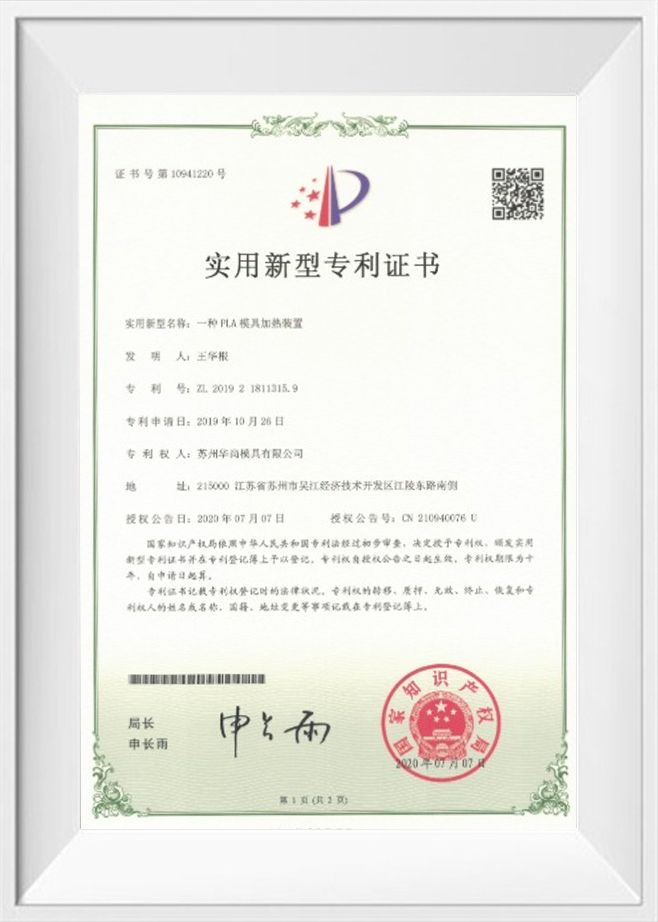
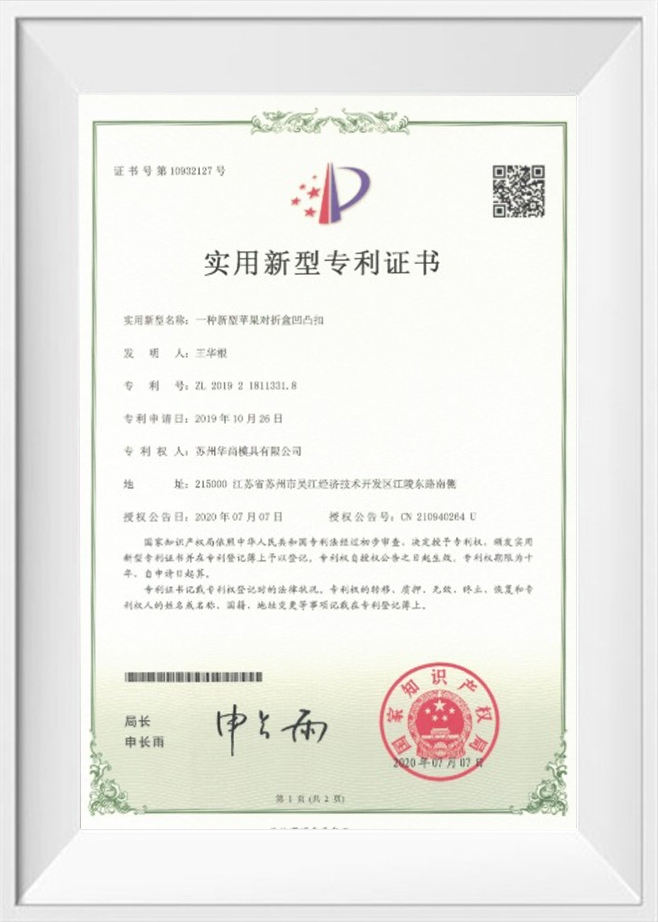
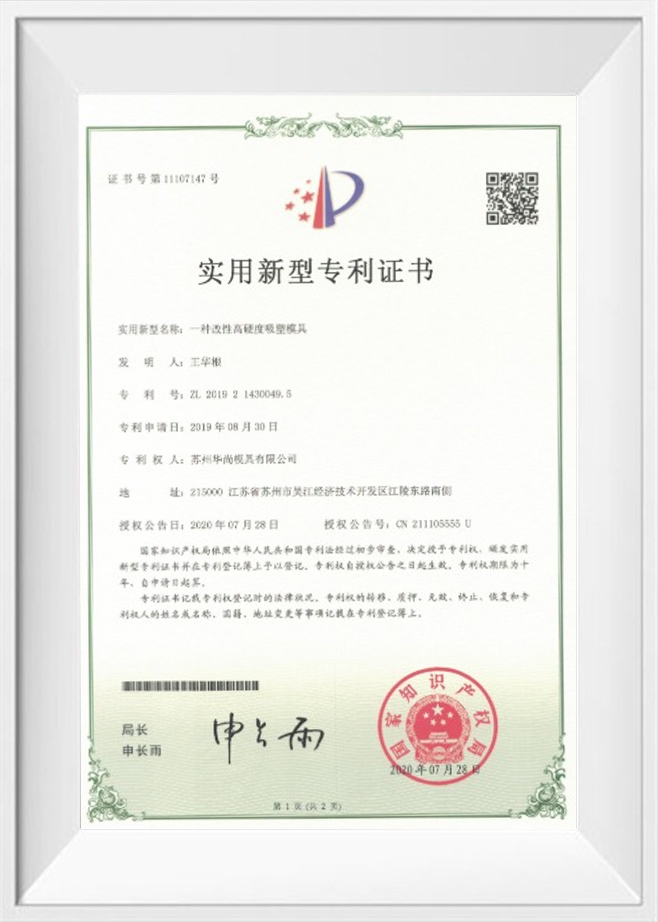
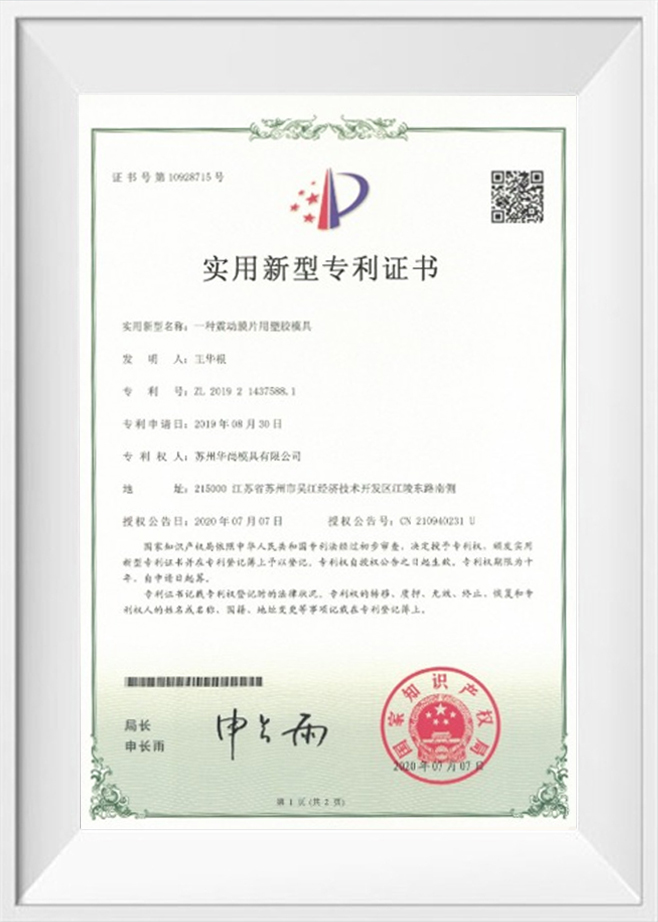
At this stage, the role of an experienced mold manufacturer becomes evident. Suzhou Huashang Mould Co., Ltd. integrates blister design, mold manufacturing, and process improvement into a unified production framework. By utilizing advanced CNC machining equipment and a dedicated design team, the company ensures that both vacuum forming molds and thermoforming molds meet the precision requirements of food packaging applications without unnecessary structural complexity.
Material compatibility and forming behavior
Material compatibility is a shared requirement for both vacuum forming and thermoforming molds, particularly in food packaging where safety and performance standards are strictly enforced. Commonly used plastics such as PP, PET, and PS must be shaped reliably while maintaining their functional properties after forming. The choice of mold type influences how these materials behave during heating and shaping.
Food packaging vacuum forming molds are well suited for materials that exhibit stable stretching behavior under vacuum pressure. PET and PS, for example, are often used in vacuum forming due to their clarity and ease of forming into thin wall structures. Vacuum forming packaging mold systems are optimized to handle these materials efficiently, ensuring smooth surfaces and consistent thickness.
Thermoforming molds offer greater flexibility in material processing. By combining vacuum with pressure or mechanical assistance, these molds can better control material distribution in thicker or deeper containers. This makes them suitable for PP lunch boxes that require higher heat resistance and structural strength.
Regardless of mold type, surface finish and cavity quality directly affect food safety compliance. Smooth mold surfaces reduce the risk of residue buildup and simplify cleaning procedures. Aluminum thermoforming mold structures are particularly advantageous in this respect due to aluminum’s machinability and surface finishing capabilities.
Production efficiency and scalability in mass manufacturing
Production efficiency is one of the primary reasons both vacuum forming and thermoforming molds are widely adopted in food packaging. Vacuum forming molds are known for their short cycle times and straightforward operation. Their relatively simple structure allows for rapid heating, forming, and demolding, making them ideal for large scale production of disposable lunch boxes.
Thermoforming molds, while potentially involving longer cycle times, offer superior scalability for complex products. The additional forming control allows manufacturers to produce a broader range of container designs without sacrificing quality. An aluminum thermoforming mold can be adapted to different lunch box configurations, reducing the need for frequent mold changes.
From a lifecycle perspective, durability is a critical consideration. Aluminum based molds provide a balanced combination of strength and thermal performance, supporting continuous operation over extended production periods. Proper structural design and cooling layout help distribute forming stress evenly, reducing localized wear.
With sufficient production capacity and strong control over raw material supply, Suzhou Huashang Mould Co., Ltd. supports stable mass production for food packaging manufacturers. The company’s efficient production control system and cost management strategies enable consistent mold quality while maintaining competitive manufacturing timelines.
- Short cycle times for vacuum forming molds
- Greater design flexibility for thermoforming molds
- Stable long term performance through aluminum structures
- Scalable production for diverse food packaging needs
These factors highlight why aluminum thermoforming mold, food packaging vacuum forming molds, vacuum forming packaging mold solutions remain central to industrial food packaging operations.
Application scope and product differentiation
The application scope of vacuum forming molds and thermoforming molds differs primarily in product complexity and functional expectations. Vacuum forming molds are typically used for simple lunch boxes, trays, and inserts where lightweight construction and cost efficiency are prioritized. These products benefit from the speed and simplicity of vacuum forming processes.
Thermoforming molds, by contrast, support a wider range of packaging designs. Multi compartment lunch boxes, combination lid systems, and containers requiring enhanced rigidity are better suited to thermoforming. The ability to control material distribution more precisely allows these molds to meet higher structural and aesthetic standards.
In practical production environments, manufacturers often use both mold types depending on product requirements. Food packaging vacuum forming molds may be selected for entry level products, while aluminum thermoforming mold systems are applied to premium or functionally demanding packaging lines.
With experience spanning multiple industries, including food, electronics, and pharmaceuticals, Suzhou Huashang Mould Co., Ltd. provides mold solutions tailored to specific application scenarios. This flexibility allows food manufacturers to align mold selection with product positioning and market demand.
Quality control and technical support considerations
Quality control is essential for both vacuum forming and thermoforming molds, as any deviation in mold performance directly affects packaging quality. Inspection procedures typically include dimensional verification, surface quality assessment, and functional testing under simulated production conditions.
Thermoforming molds often require more extensive validation due to their complex forming mechanisms. Ensuring consistent performance across all cavities is critical for maintaining uniform product quality. Vacuum forming packaging mold systems, while simpler, still require careful monitoring to prevent vacuum leakage or uneven forming.
After sales technical support plays an important role in maintaining long term mold performance. Installation guidance, process optimization, and ongoing performance tracking help manufacturers achieve stable production more quickly and reduce downtime risks.
To meet these needs, Suzhou Huashang Mould Co., Ltd. has established a dedicated after sales service team composed of technical professionals. This team provides continuous support, ensuring that molds remain aligned with production requirements throughout their service life.
Frequently asked questions about vacuum forming and thermoforming molds
How are vacuum forming molds different from thermoforming molds in food packaging
Vacuum forming molds rely mainly on vacuum pressure, while thermoforming molds may combine vacuum with pressure or mechanical assistance to support more complex container designs.
Which mold type is better for multi compartment lunch boxes
Thermoforming molds are generally more suitable due to their ability to control material distribution and maintain structural strength across multiple compartments.
Are aluminum molds suitable for food contact applications
Yes. Aluminum molds offer smooth surface finishes, stable performance, and compatibility with food grade plastics such as PP, PET, and PS.
Can vacuum forming molds support mass production
Vacuum forming molds are highly efficient for mass production of simple food packaging due to their short cycle times and straightforward operation.
Why is technical support important for forming molds
Proper technical support ensures correct installation, stable operation, and timely optimization, which directly affects production efficiency and product consistency.
By clearly distinguishing forming principles, structural design, and application scope, manufacturers can make informed decisions when selecting aluminum thermoforming mold, food packaging vacuum forming molds, vacuum forming packaging mold solutions for food packaging production.



 en
en  English
 Español
 عربى
عربى